Can You Do This Yourself
Some of it, yes
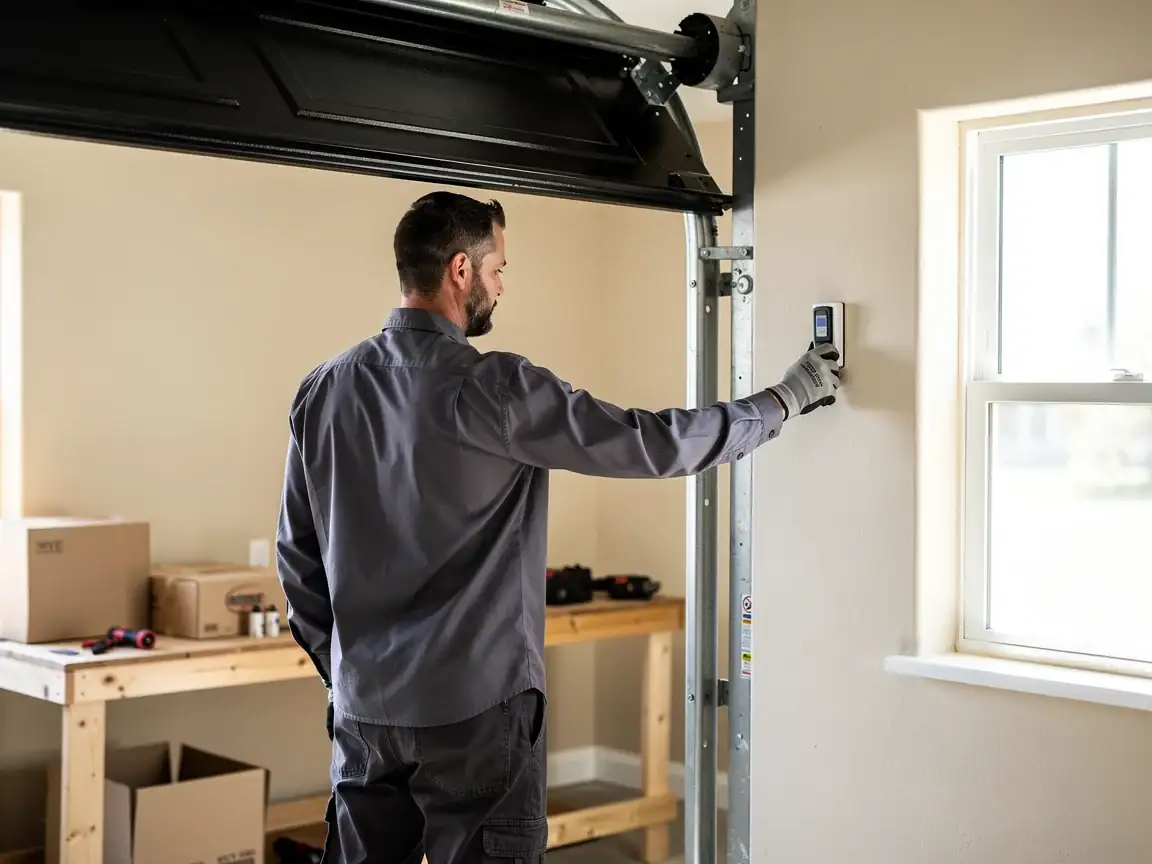
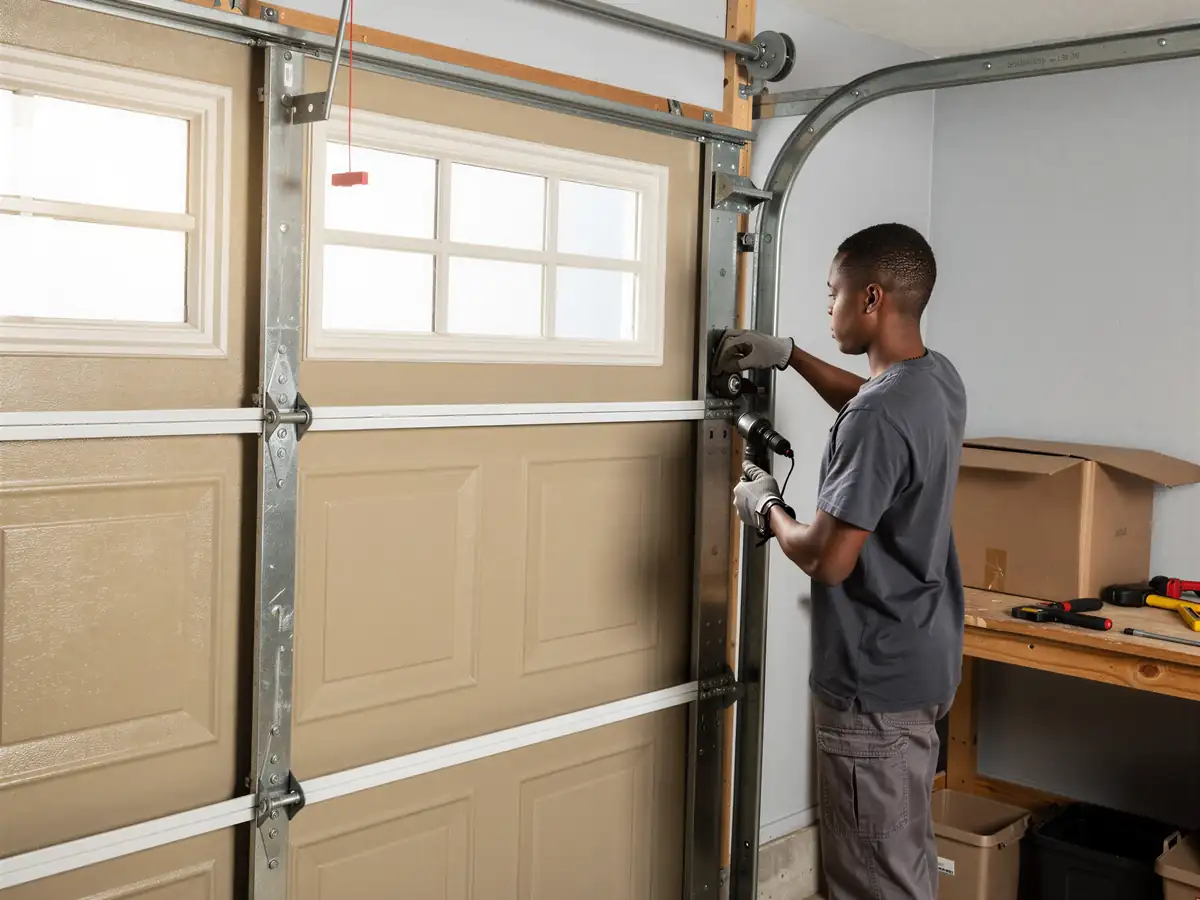
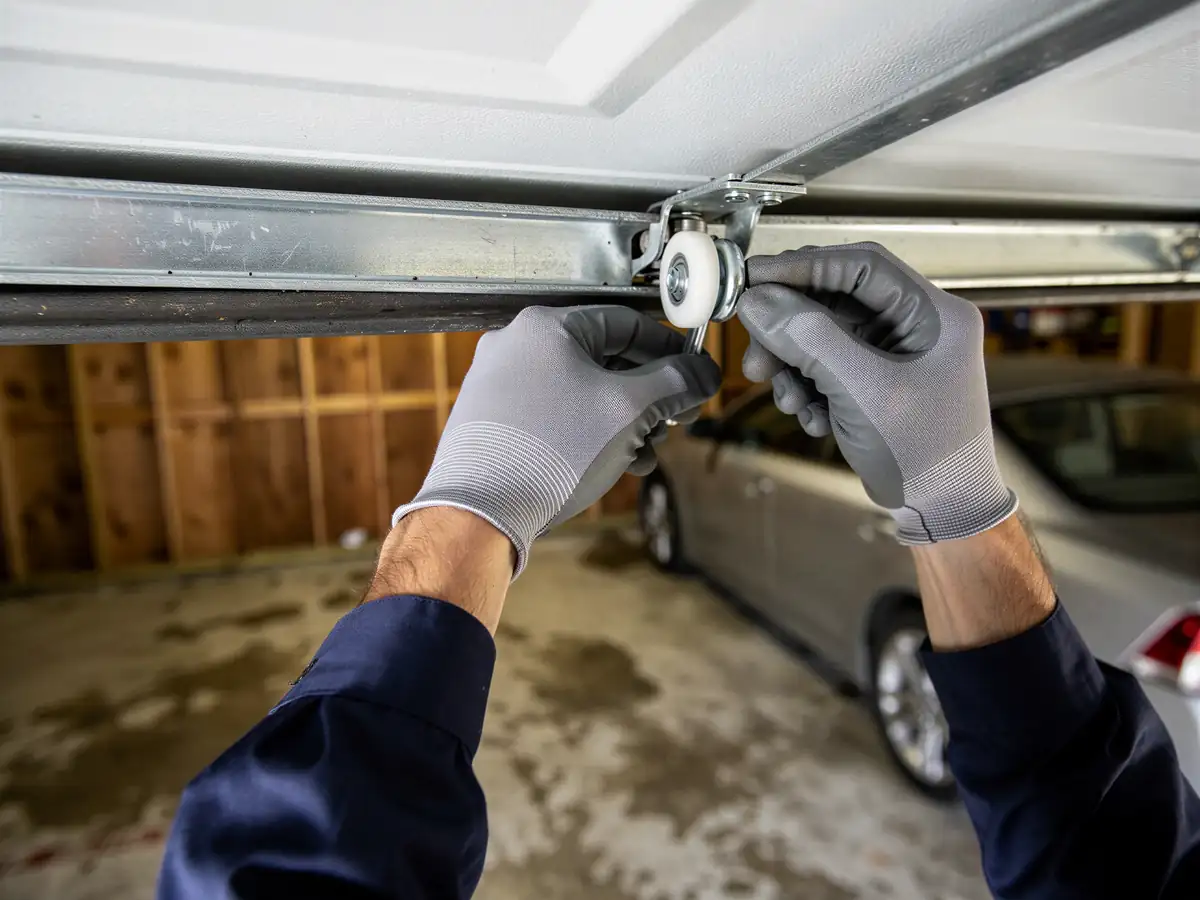
If your door won't close and the sensor lights at the bottom of the track are blinking, clean the lenses and make sure nothing is blocking the beam - that fixes more calls than people expect. Tightening loose hinge bolts and lubricating rollers with a garage-door-specific lubricant (not WD-40, which washes out and attracts grit) is safe weekend work.
What you shouldn't touch: torsion springs
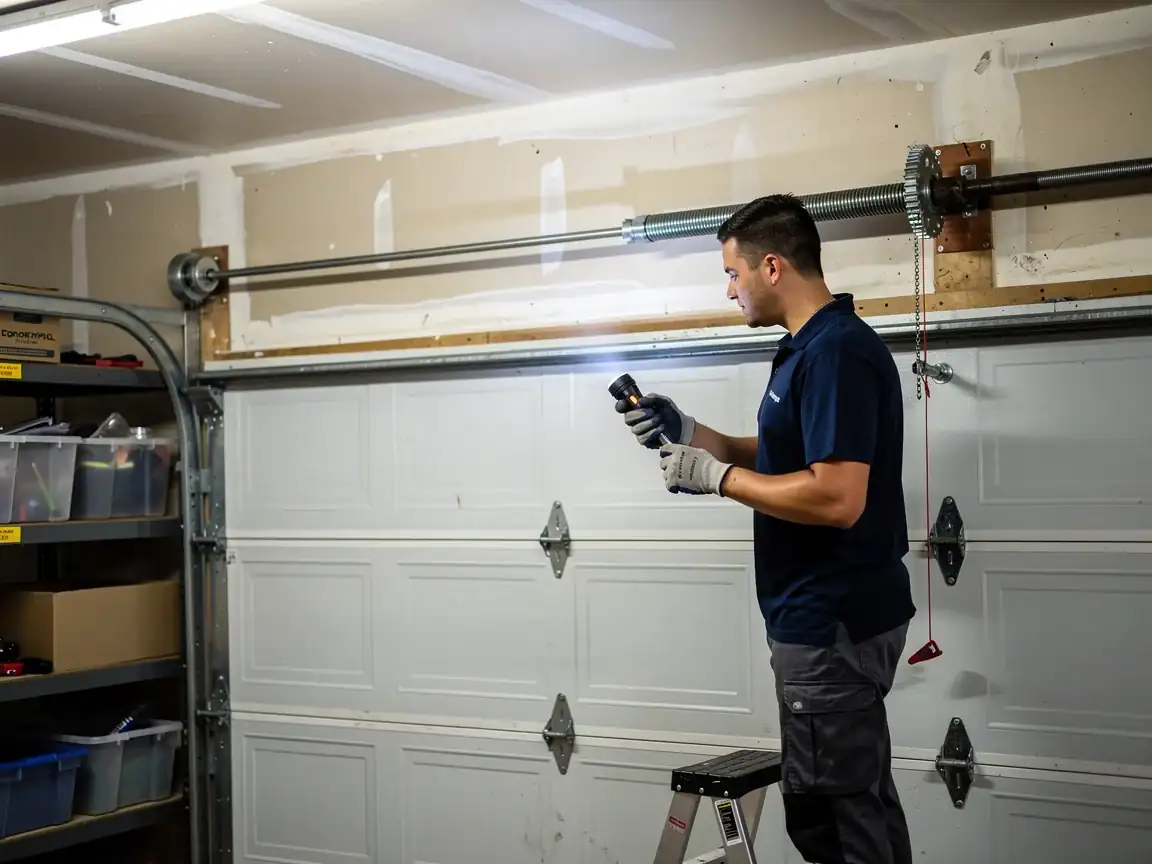
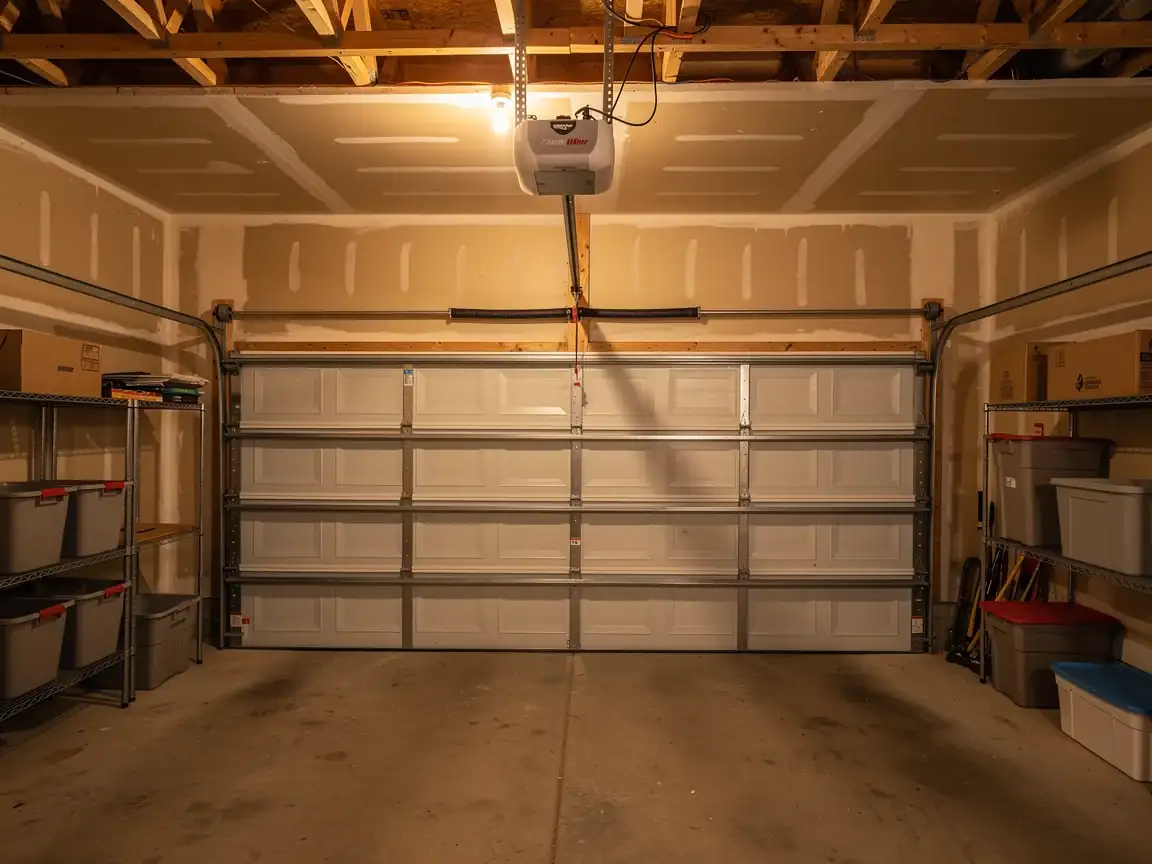
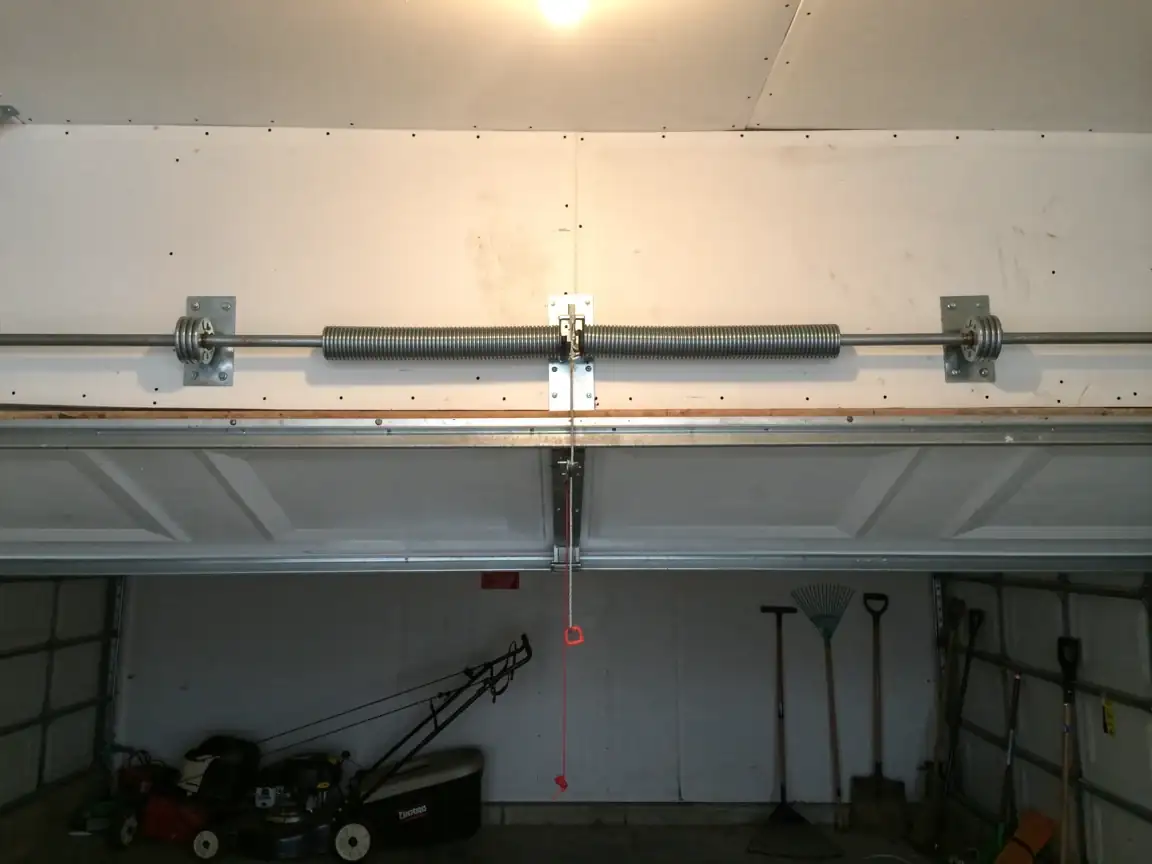
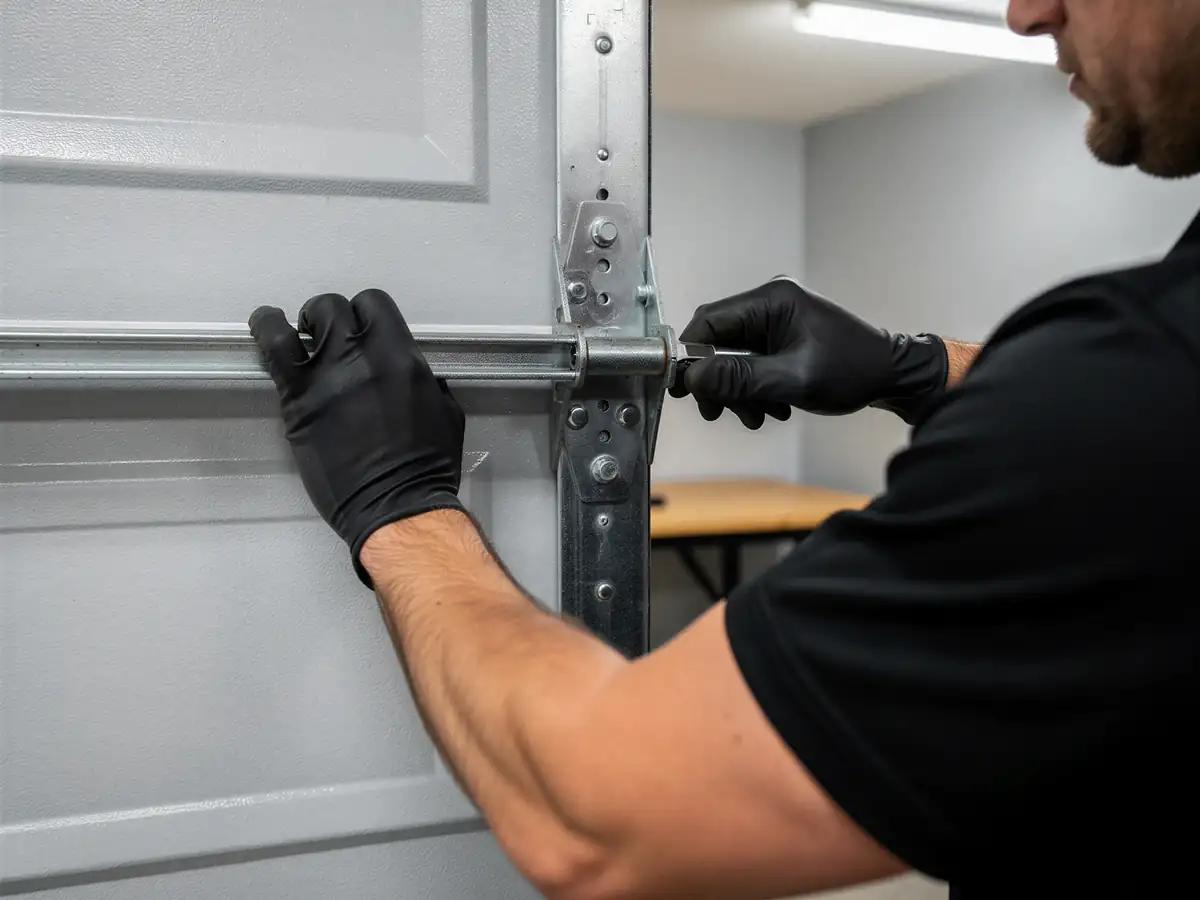
A torsion spring on a double door in this area is wound under several hundred pounds of tension, and releasing that tension without the right winding bars is how people lose fingers or worse. Same goes for the bottom bracket cables on either side of the door - those are also under load.
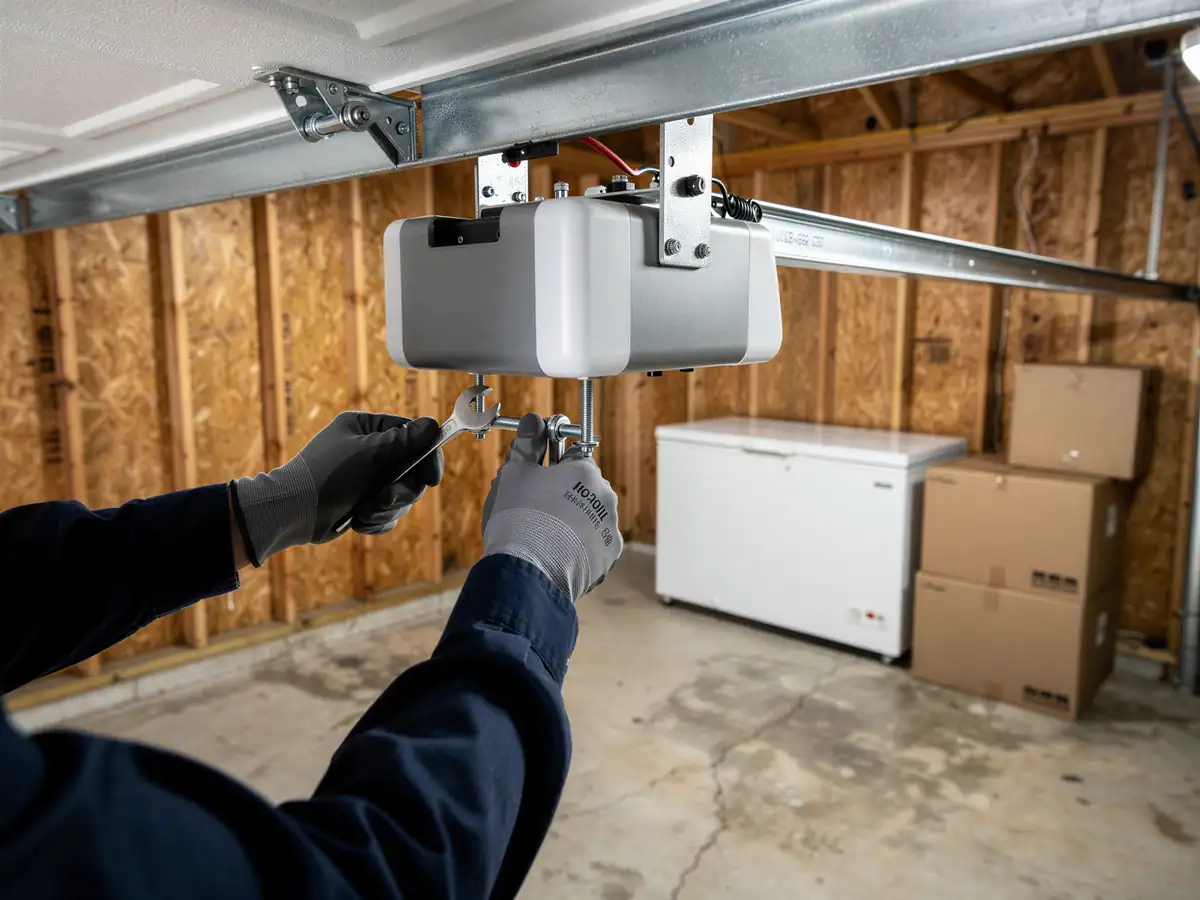
If the door is off its track, reverses on its own partway down
Or the opener runs but the door doesn't move, that's a job for someone who does this daily. A lot of Bluffton houses still have the original 1990s-era hardware, and matching a replacement part to a 30-year-old torsion system isn't always a parts-store errand - sometimes the whole assembly has to come out. We'll tell you straight if a repair isn't worth it against a new door.
Why It Happens Here
Most of the housing stock in Bluffton's service area went up between 1988 and 2013, with a median build year around 1994, and six of the named neighborhoods are still mostly 1980s and 90s construction. That matters for one reason: springs, cables, and rollers all have a service life measured in cycles, not years, and a door installed in 1994 has had three decades to wind down to its last few hundred cycles - right around when most owners start noticing it.
The climate here is mild with occasional freeze, which sounds easy on hardware compared to a true winter town, but it isn't free. Humidity swings make steel springs and galvanized cable corrode slower than up north, but they also mean lubricant breaks down faster and wood-composite panels swell and stick at the jamb on damp mornings. An occasional hard freeze after a run of warm days is what actually snaps an already-fatigued spring - the metal contracts fast on a part that was already near the end of its coil count.
So the common call here isn't storm damage. It's a spring or cable that was due to go, pushed over the edge by a cold snap after weeks of coastal humidity.
Booking a Visit
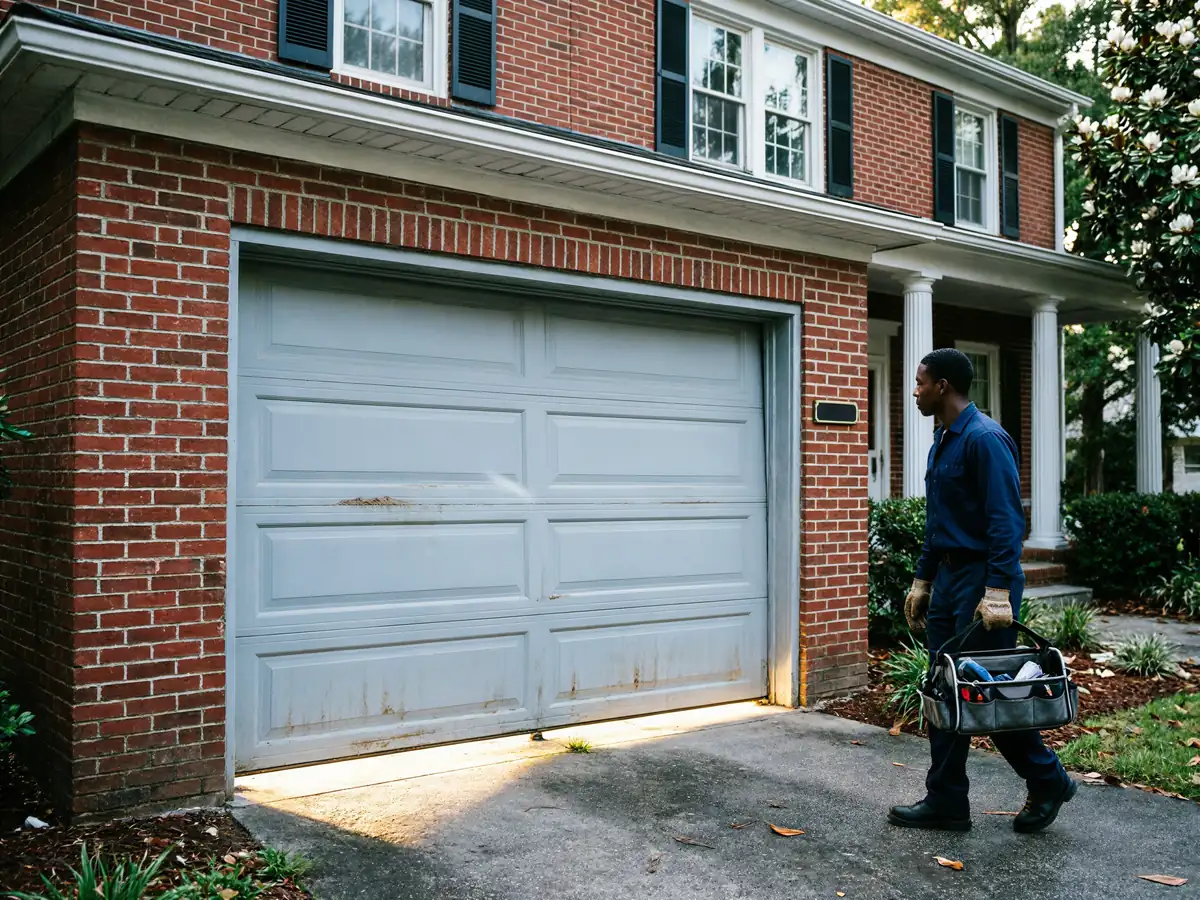
We cover the Bluffton service area and the surrounding communities - Hardeeville, Shell Point, Port Royal, Ridgeland, Burton, Laurel Bay, Palmetto Bluff, Latitude Margaritaville Hilton Head.
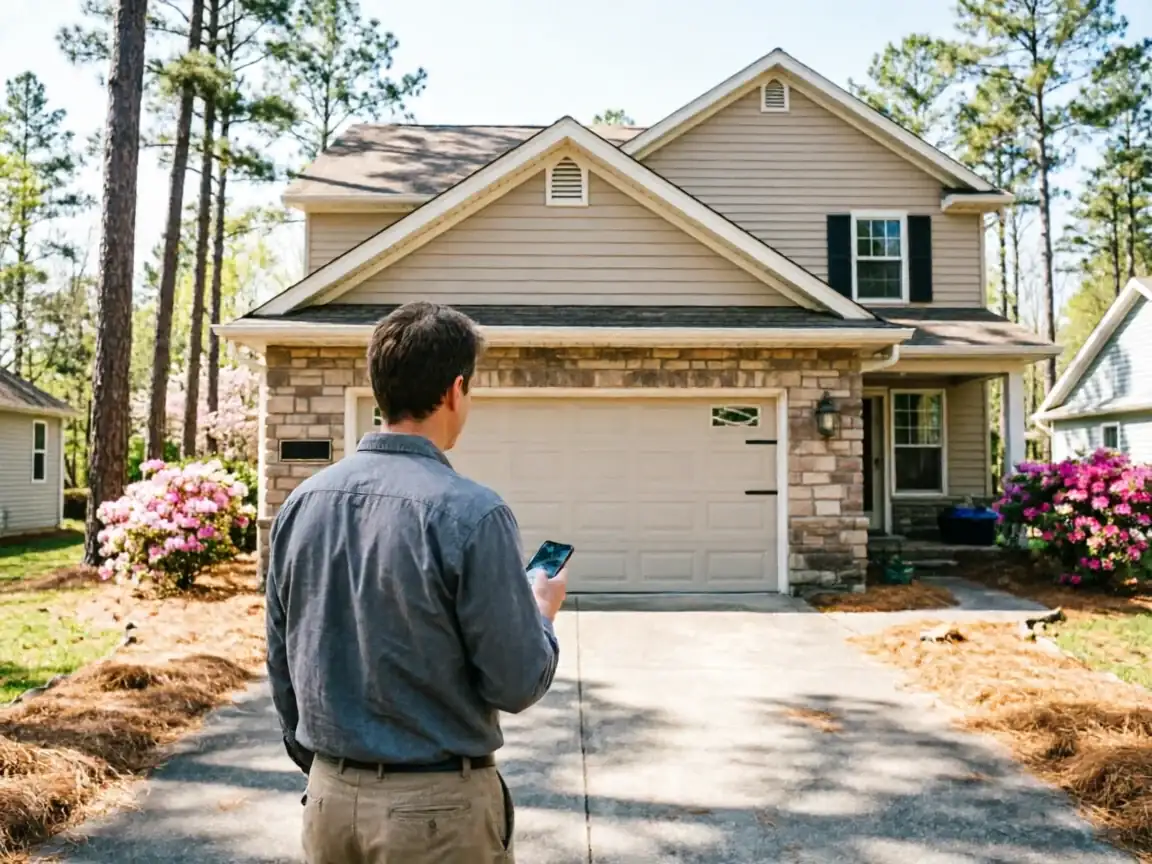
Tell us the year your house was built if you know it, and what the door is actually doing - won't open, opens then reverses, loud bang followed by the door going slack. That narrows down whether it's springs, cables, or the opener before anyone drives out, and it means the truck shows up with the right part instead of guessing twice.
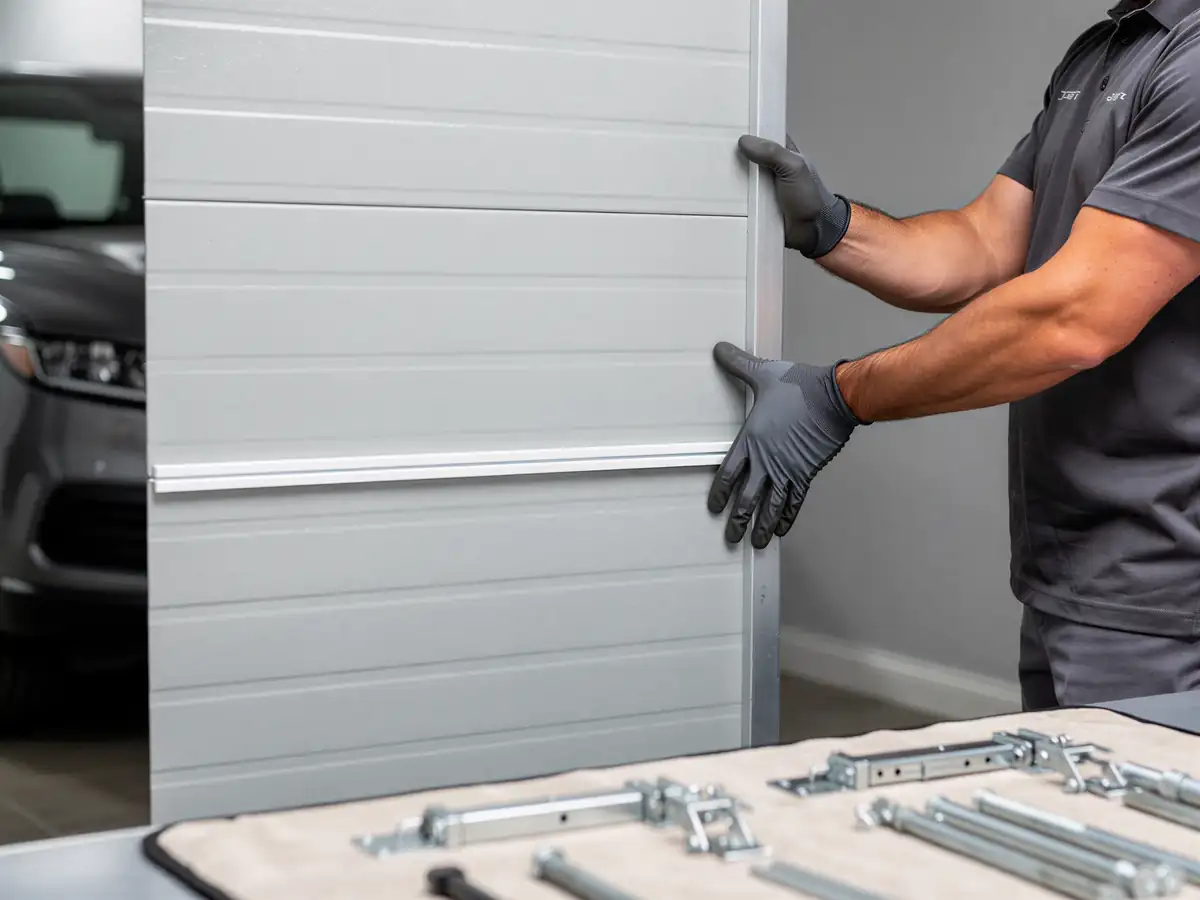
We don't carry every obscure panel or opener board on the truck - some parts for older systems have to be ordered, and we'll tell you that up front rather than stringing out a visit.
What You Are Seeing
A door that won't budge and a loud bang beforehand is almost always a broken torsion spring
The bang is the spring letting go. A door that opens a few inches and reverses is usually the opener's force setting fighting a spring that's lost tension, not a bad opener. Cables that look frayed or have come off the bottom bracket drum mean the door is only being held by the opener arm, which isn't designed for that load and can drop suddenly.
A door that's noticeably heavier to lift by hand than it used to be is a spring losing strength gradually
Which happens on a predictable schedule with age rather than all at once. Rollers that grind or stick in the track, especially on the original steel rollers from an early-90s install, are worth swapping before they wear the track itself.
If the opener light blinks a set number of times and you can count the pattern
That's usually a diagnostic code tied to the sensors or travel limits - worth checking before assuming the motor itself has failed.