Can You Do This Yourself
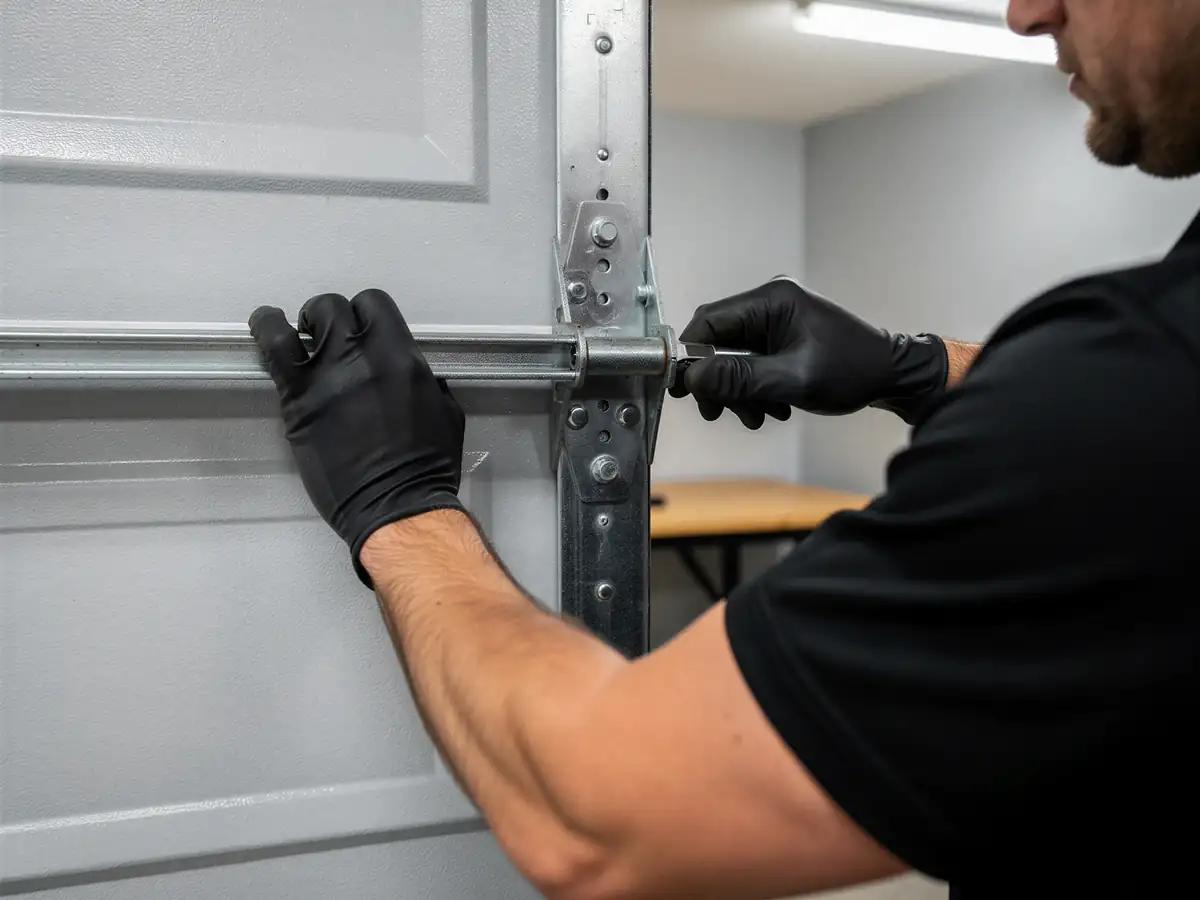
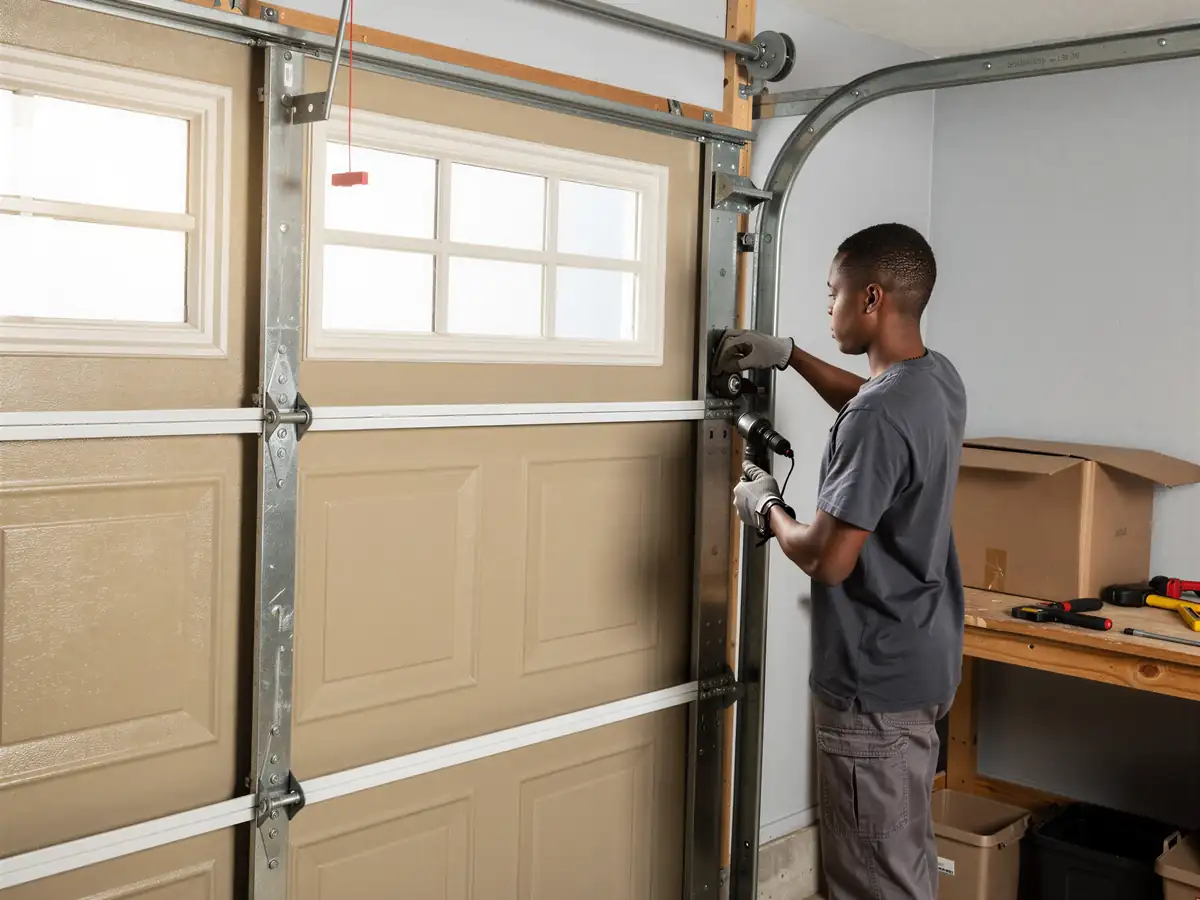
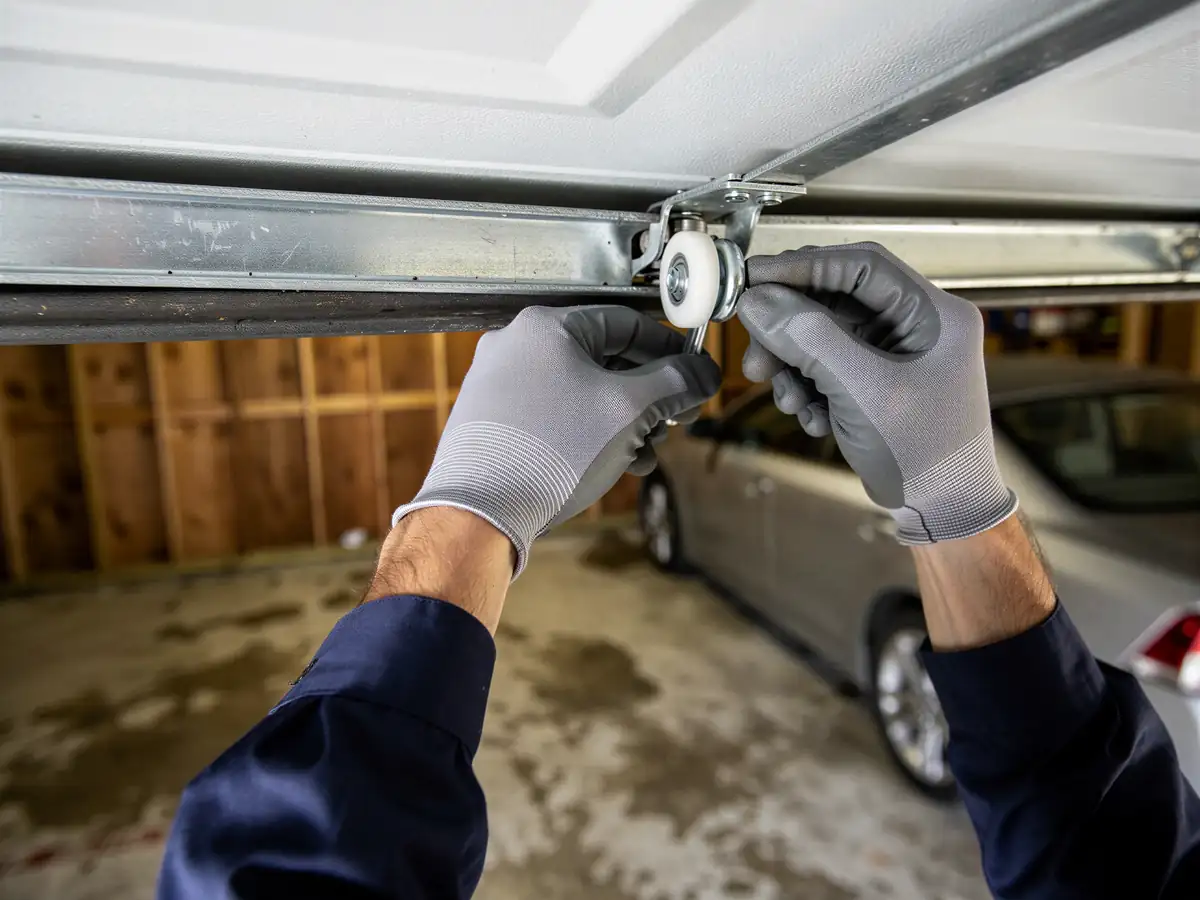
Swapping a single nylon roller on a door that's already open and sitting still is within reach for a lot of homeowners
Pull the retaining bracket, slide the old roller out of the track, drop the new one in. That's the easy version.
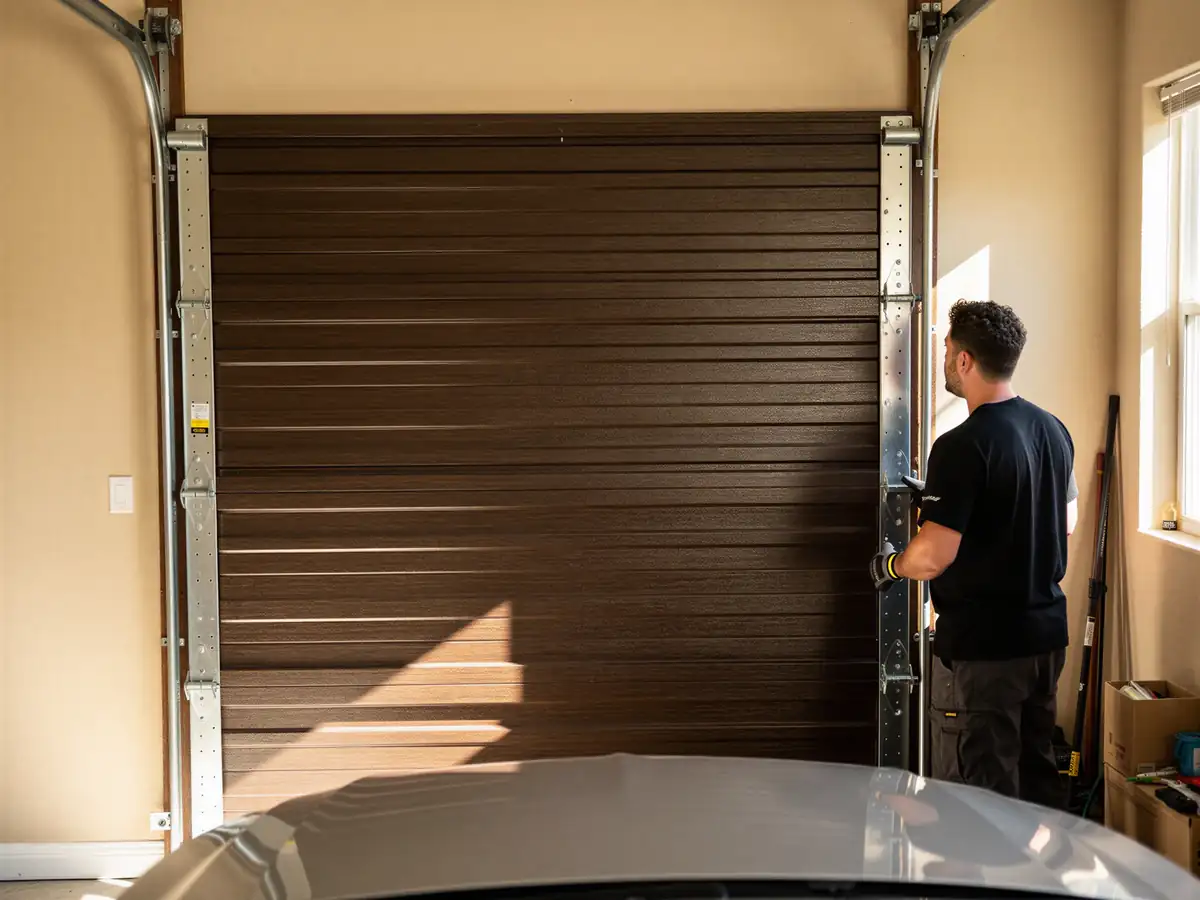
What isn't easy, and what we'd rather you call for, is anything involving the bottom roller near the cable drum
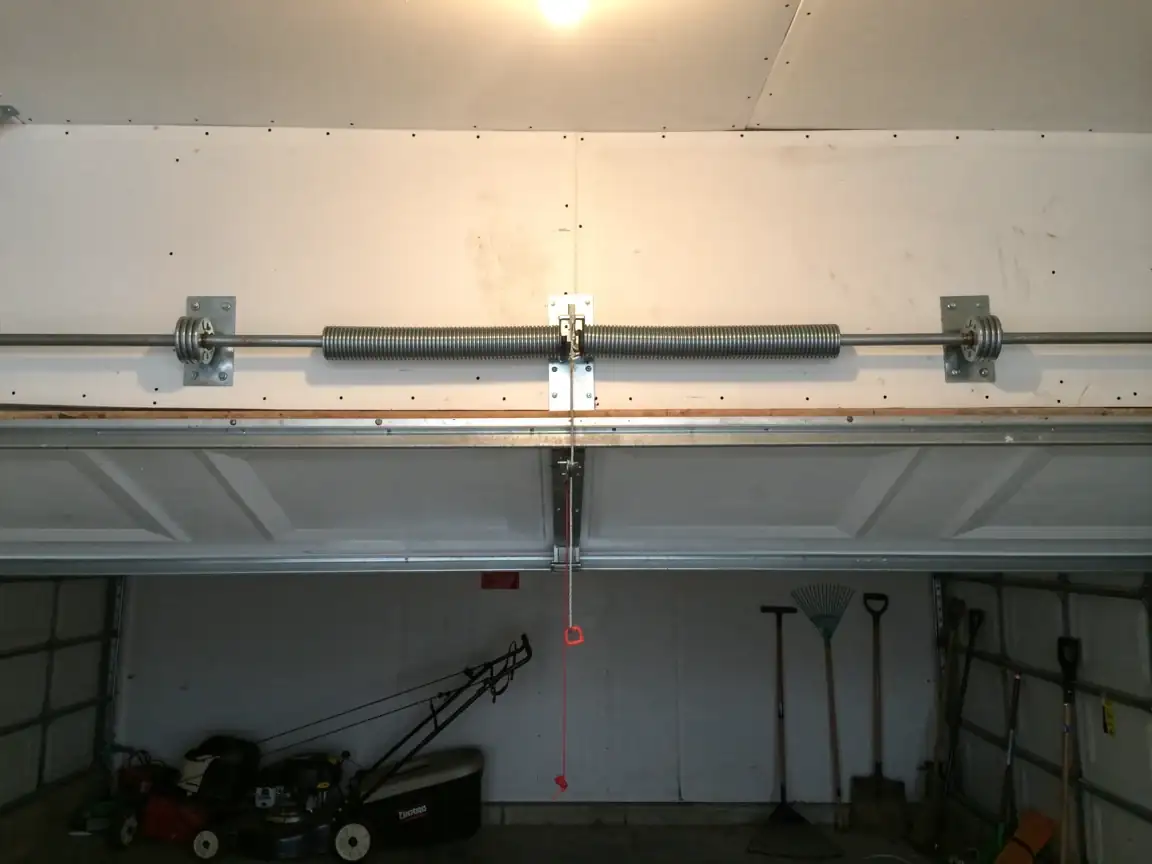
Or a roller on a door where the track itself has bent or pulled away from the jamb. The door is under spring tension the whole time you're working near it, and a torsion spring or a loaded cable that lets go while your hand is in the track does real damage. If more than two or three rollers on one door have failed, that's usually a sign the whole set is at the same age and due together, not a one-off part.
Our honest limit here: we don't talk anyone through this over the phone
If the track is tweaked or a cable is frayed next to the roller, that's a truck call, not a video tutorial. Rollers are cheap and the labor to do it right is short - it's rarely worth risking a hand to save that.
Why It Happens Here
Housing in the service area was mostly built between 1988 and 2013, with 1994 sitting right in the middle, and six of the older named areas are still running original 1980s and 90s garage doors. That matters because rollers from that era are almost always plain steel or unsealed nylon on a stem, not the sealed-bearing kind that shows up on newer doors. Thirty-plus years of opening and closing wears the roller stem thin long before the panel or the opener quits.
The climate band here is mild with the occasional freeze, and that swing is harder on nylon rollers than steady heat or steady cold would be. A roller that's gone brittle from UV and age can crack clean through on a cold morning, and the coastal humidity does the rest - surface rust builds up inside the track, the roller starts riding rough instead of smooth, and you get the grinding or shuddering that brings most calls in.
It's a wear-and-tear fault tied directly to how old the stock is and what the weather does to it, not a manufacturing flaw or a one-house problem.
Booking a Visit
We cover the full service area around Bluffton, out to Hardeeville, Shell Point, Port Royal, Ridgeland, Burton, Laurel Bay, Palmetto Bluff, Latitude Margaritaville Hilton Head. Roller jobs are quick once we're on site - most of the time is diagnosis, not installation, since we're checking the track and hinges for the wear that usually travels with bad rollers.
With roughly 15,782 households and a median income around $68,085 across the area, we see a wide range of doors, but the roller failure pattern doesn't change much from one neighborhood to the next - it tracks with the age of the house, not the size of it. Tell us the symptom when you call (grinding, jumping, sticking) and we'll bring the right roller stock instead of guessing on site.
See the home page for the rest of what we handle.
What You Are Seeing
A roller going bad rarely fails quiet
The most common sign is a grinding or rattling noise as the door travels, worse at the spot in the track where that roller sits. Some doors start to shudder or visibly jump sideways in the track right before a full stop - that's usually a roller that's worn down enough to catch on the track rail instead of rolling through it.
Look at the roller itself if you can see it
A nylon roller with cracks radiating from the center, or a steel roller with flat spots worn into the wheel, is done. Rust streaks on the track below a specific roller's path is another tell - it means that roller's been grinding metal on metal for a while.
If the door is slow to open, binds halfway, or needs a shove to get moving
Check the rollers before assuming it's the opener. A $200 opener diagnosis sometimes turns out to be a $15 part that nobody looked at closely.