Garage door repairs and tune-ups for Bluffton, SC homes built 1988-2013, from Hardeeville to Palmetto Bluff, suited to our mild, humid coastal climate.
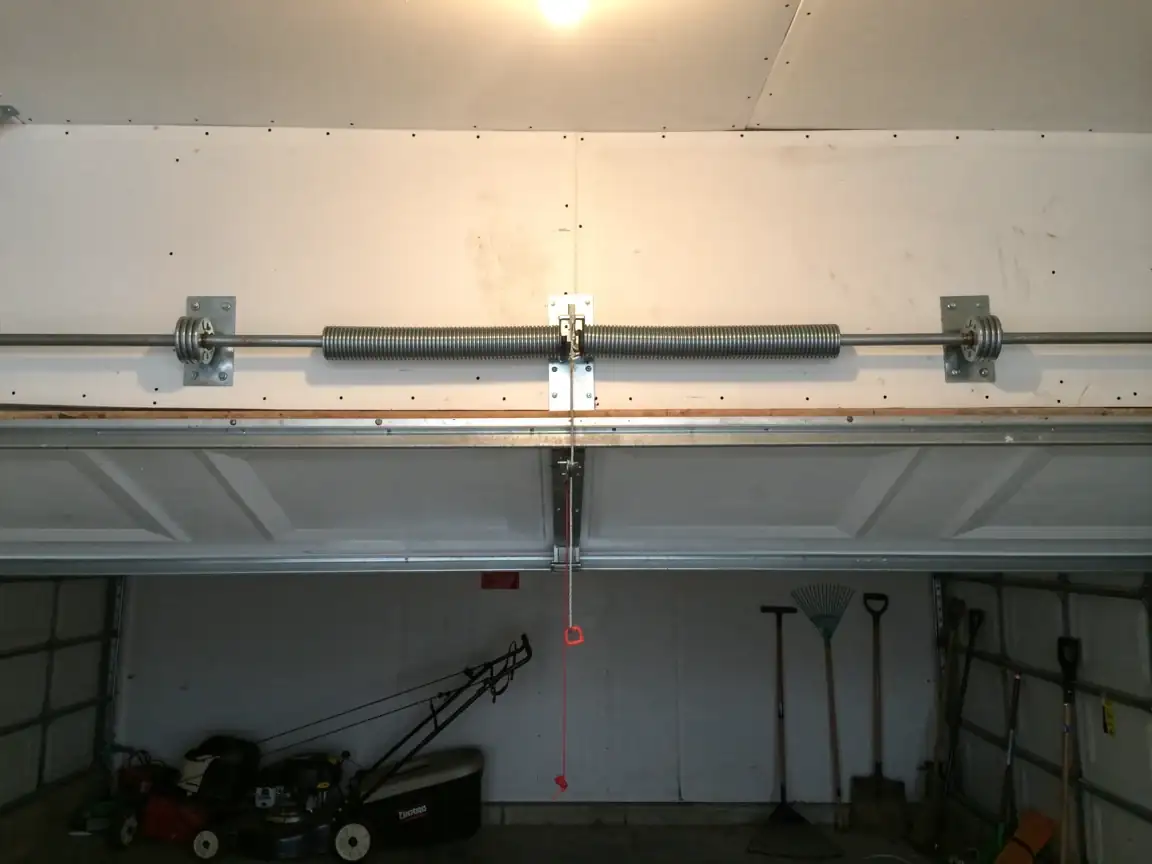
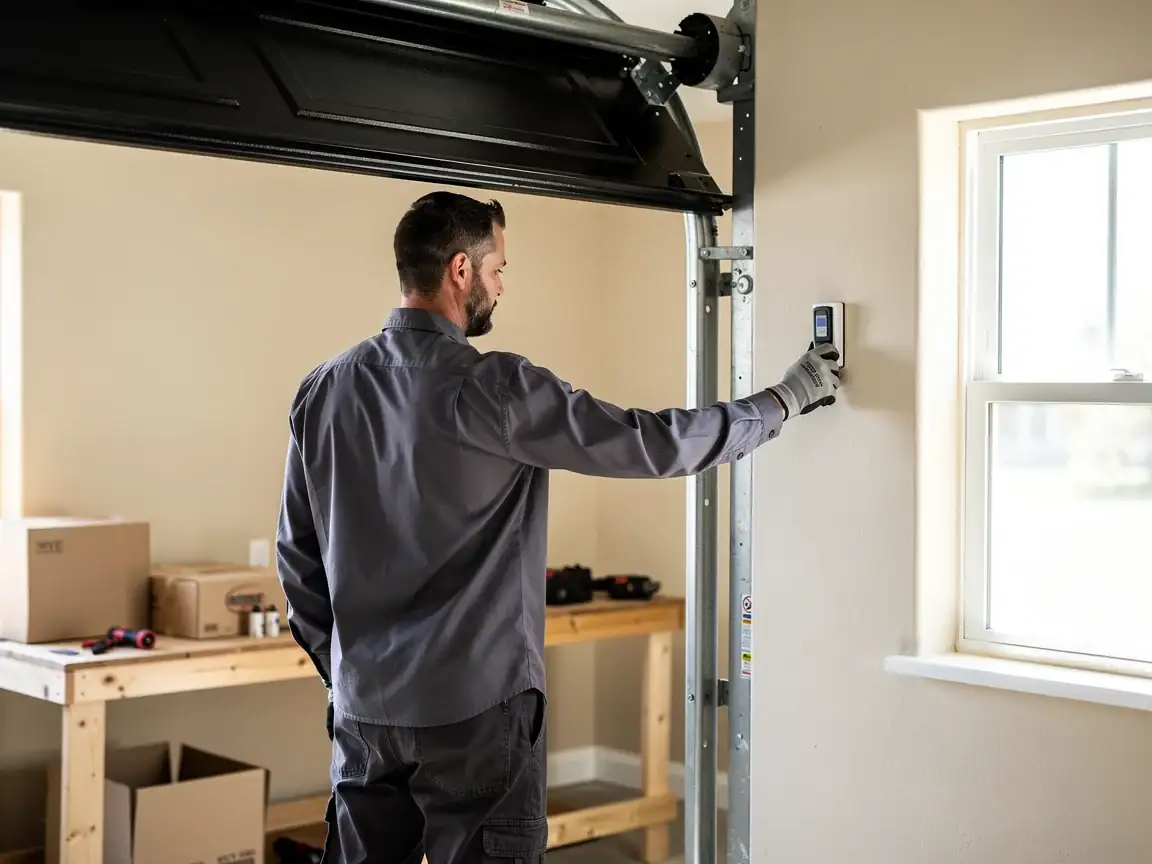
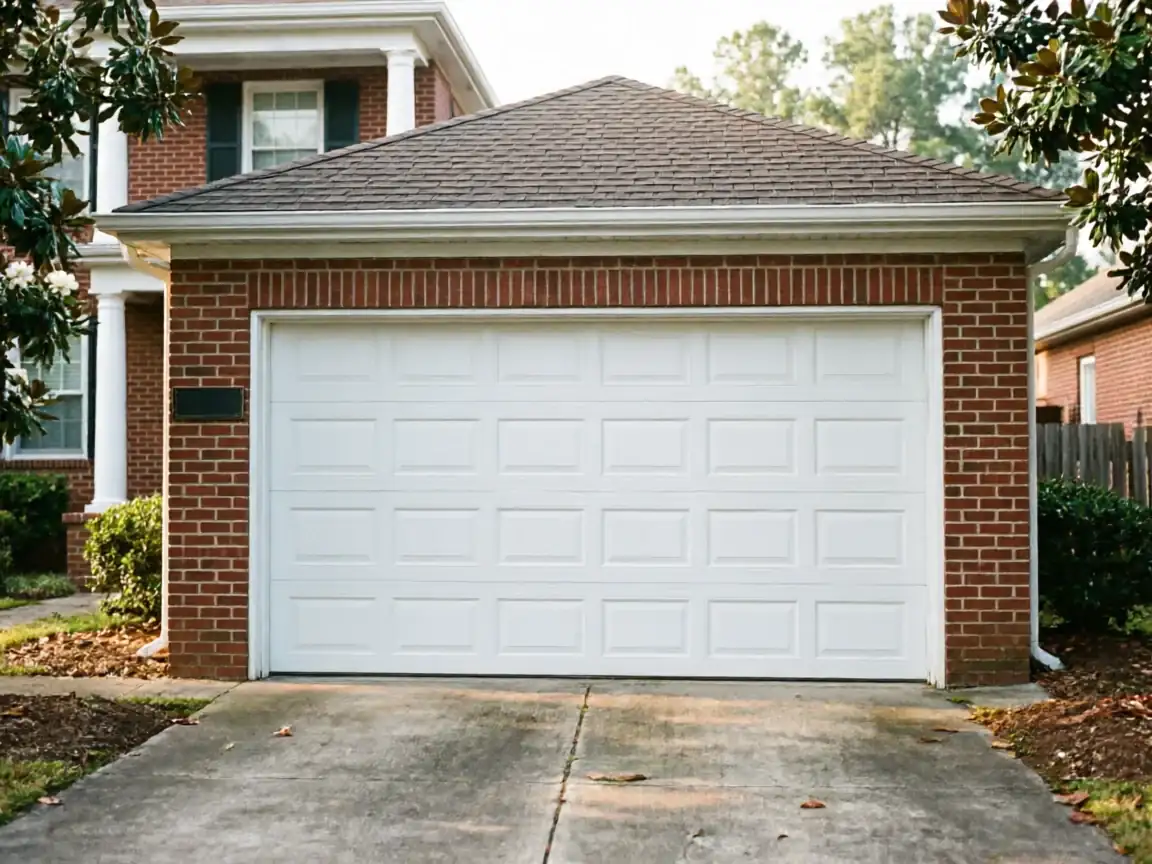
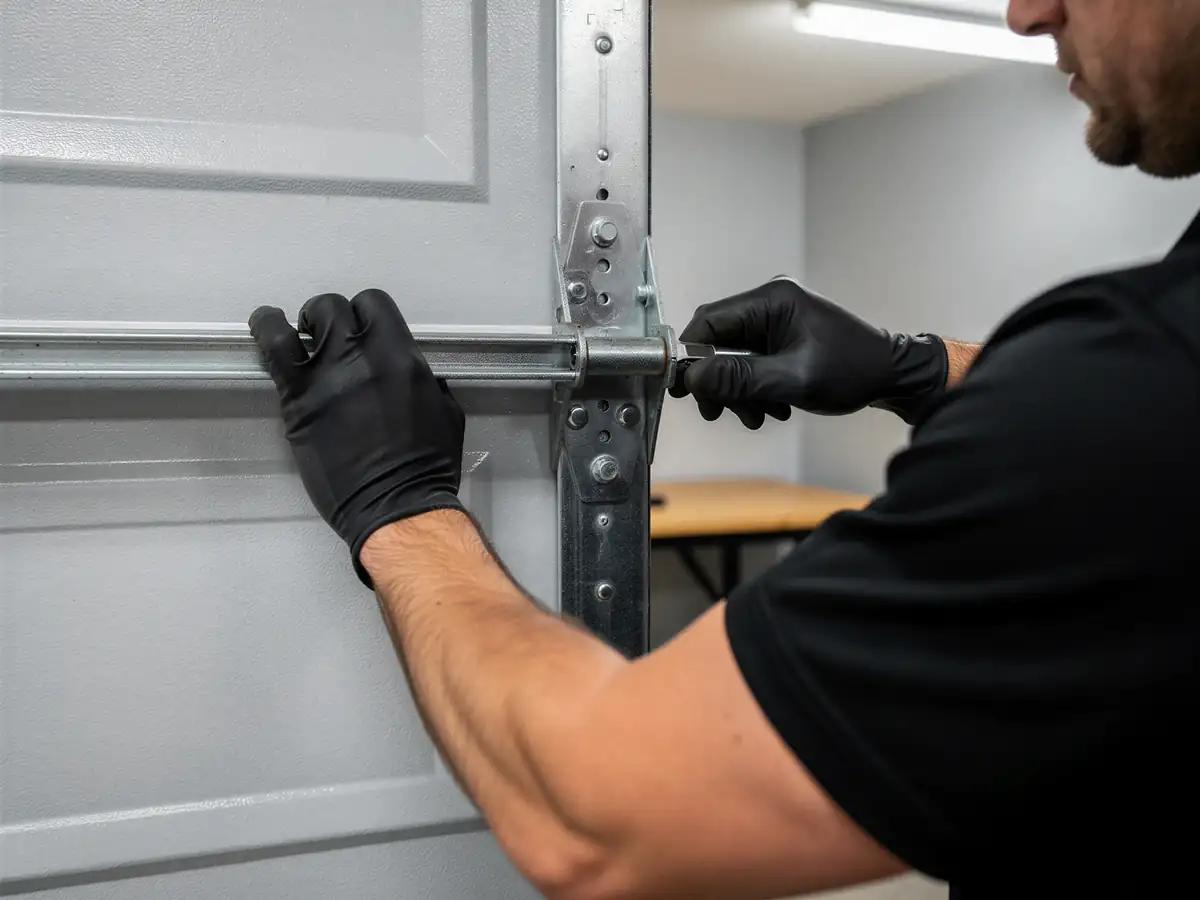
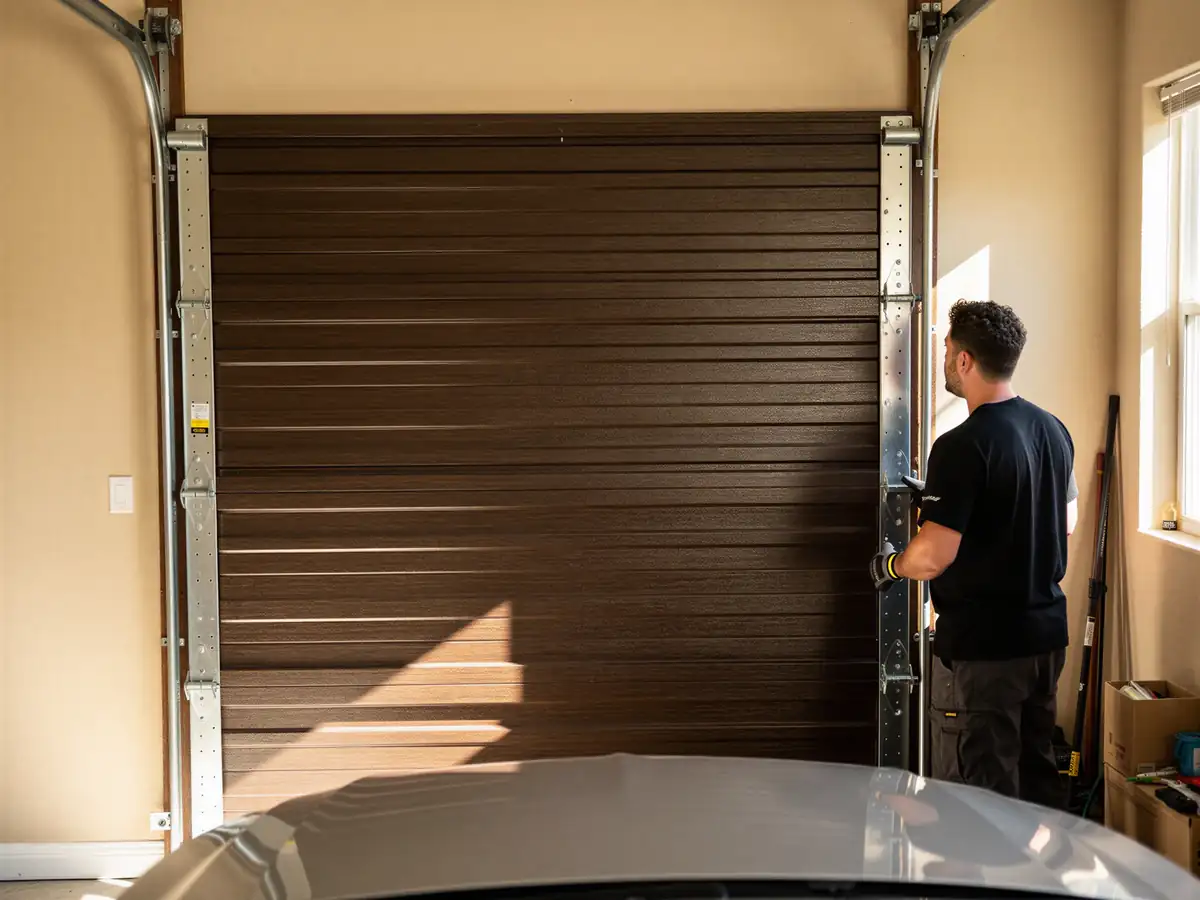
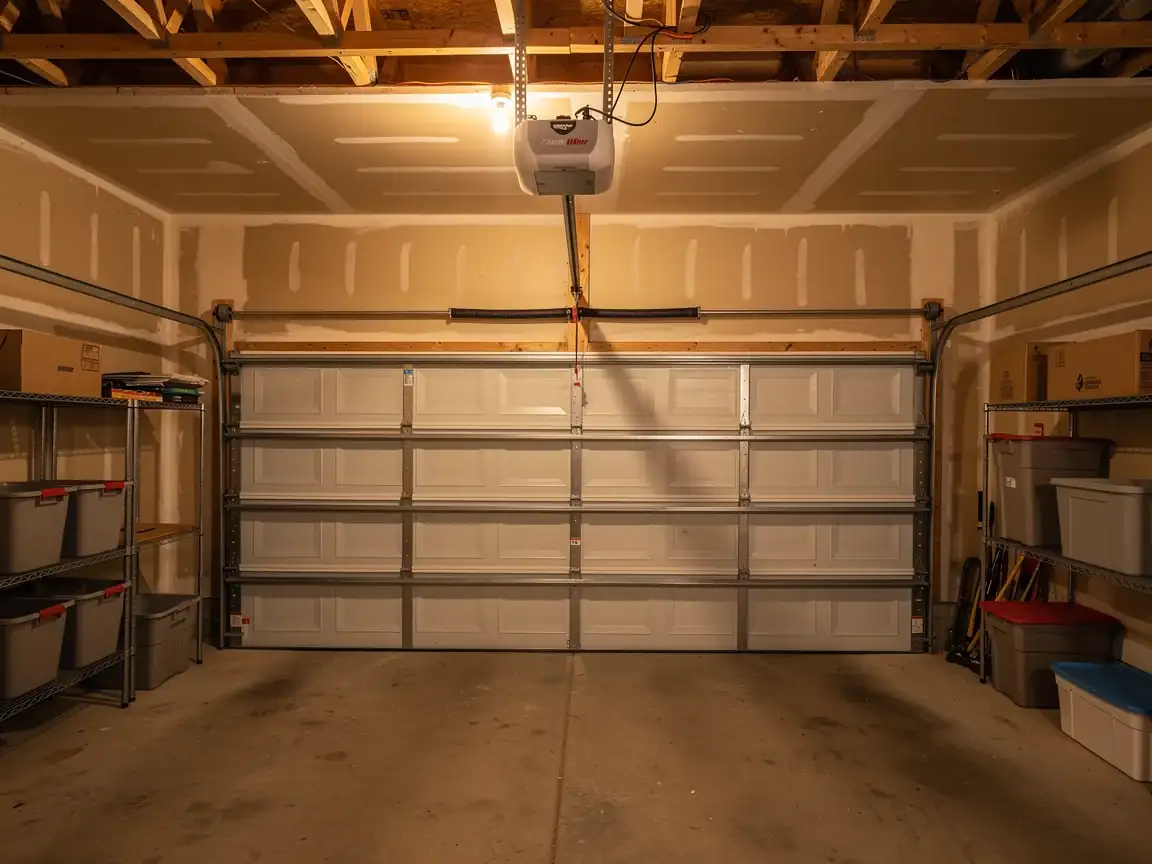
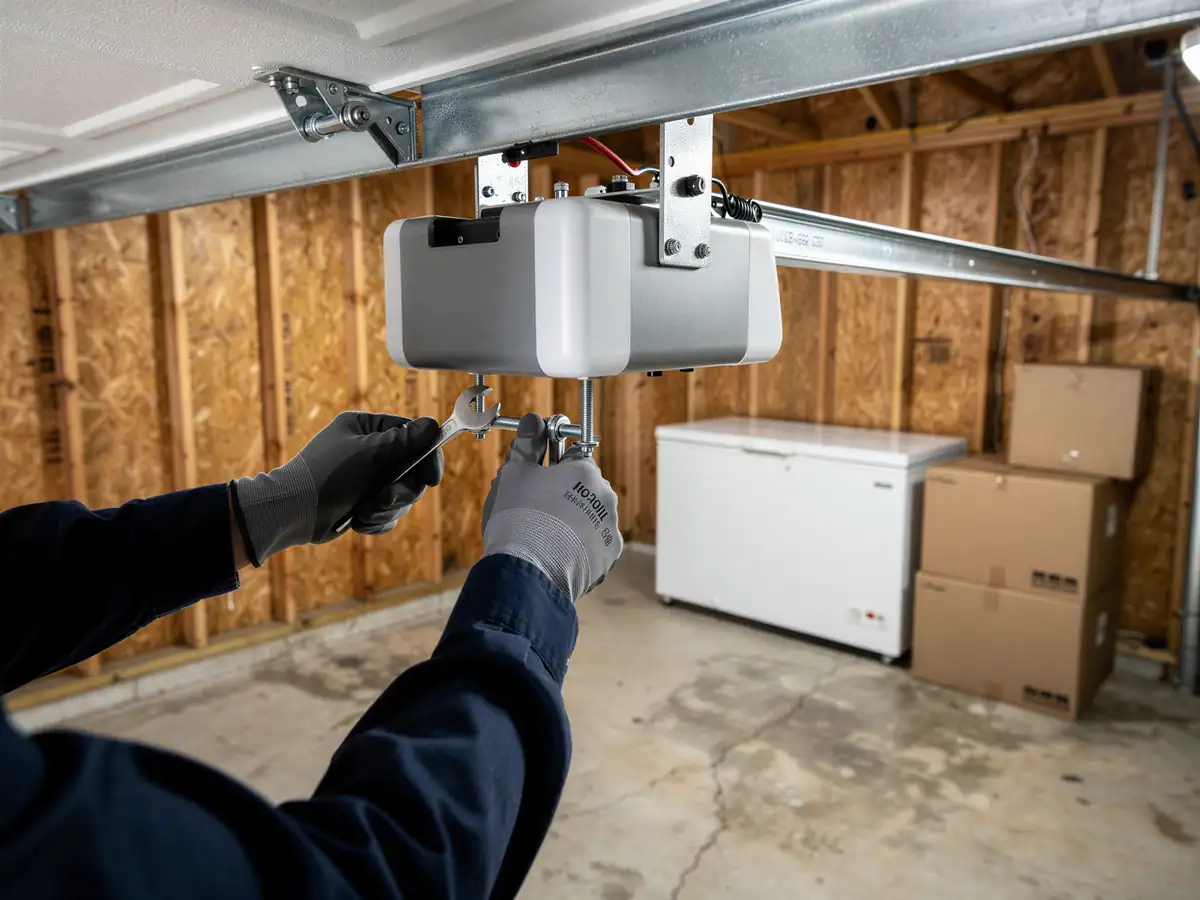
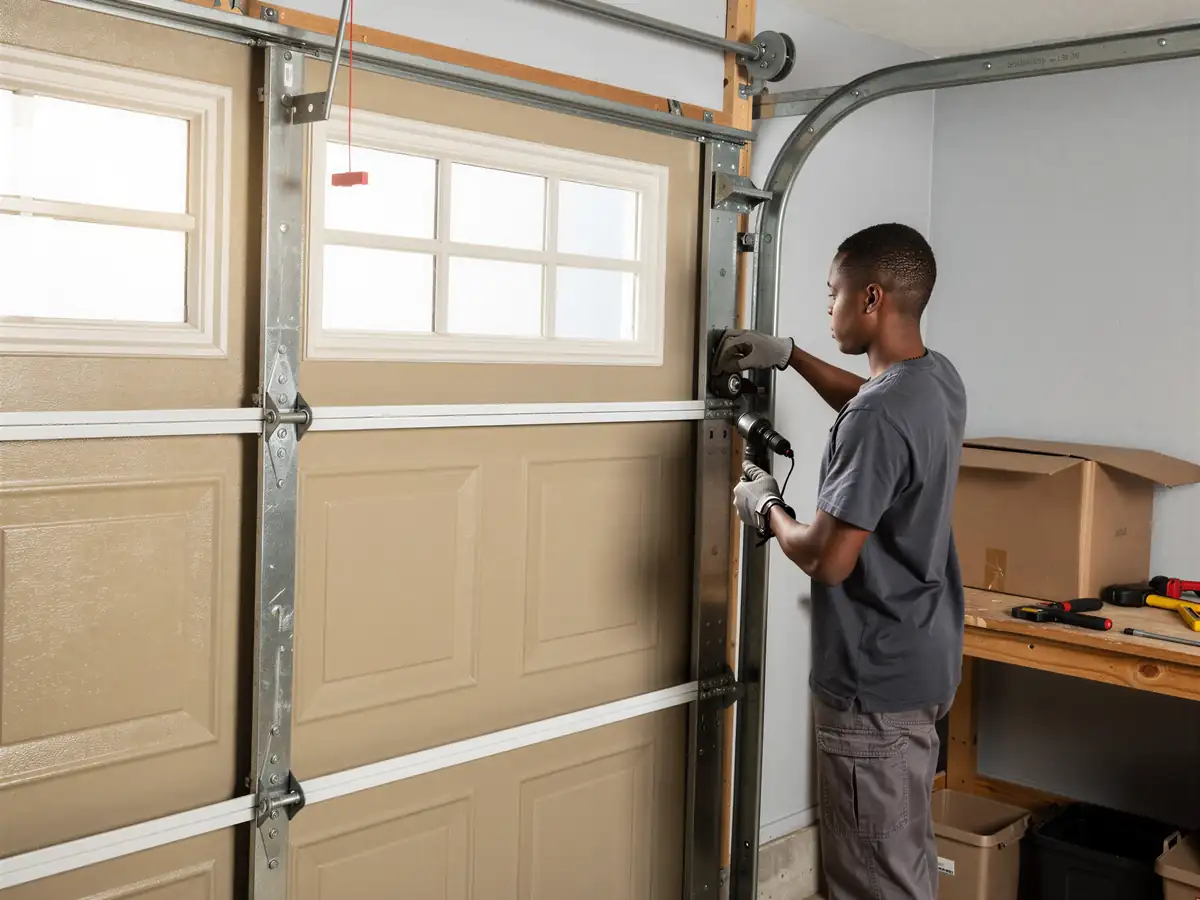
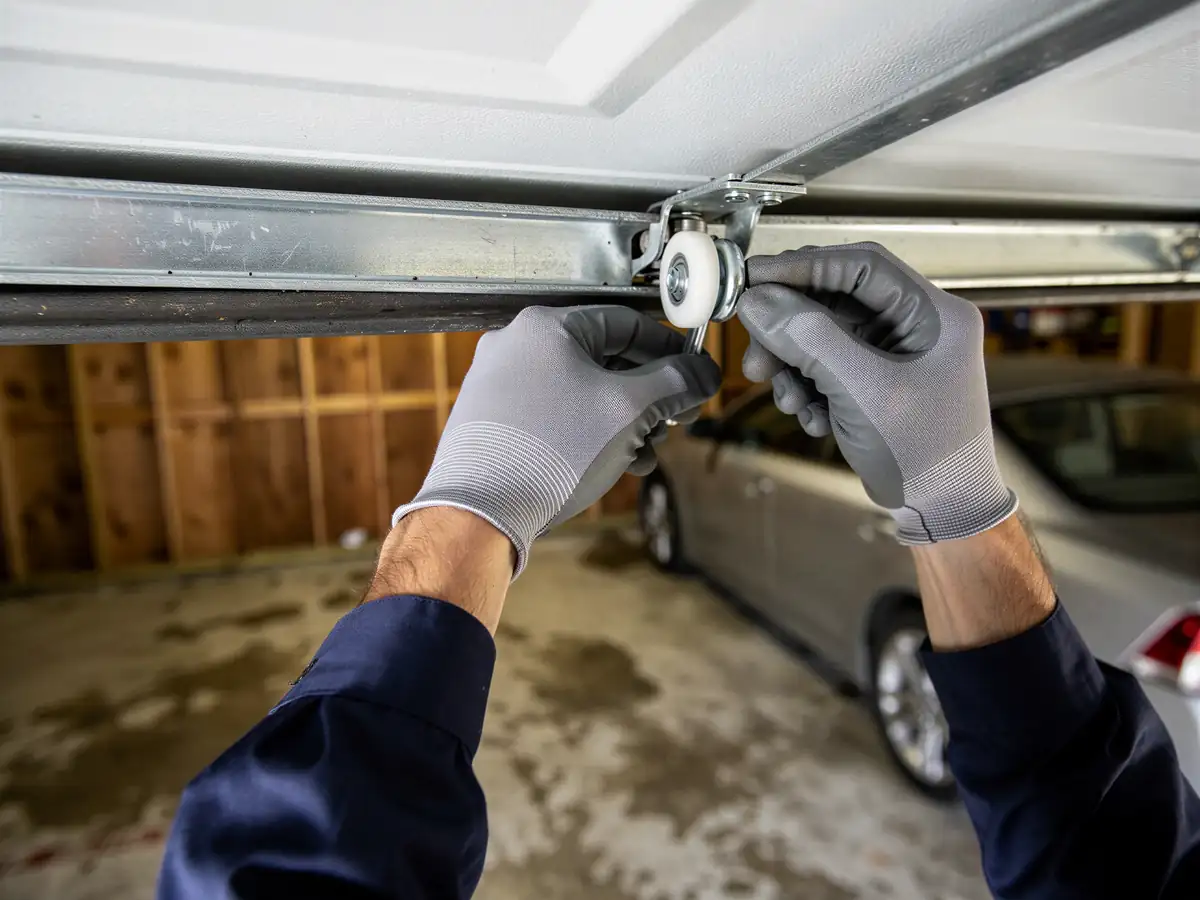
A loud track or a door that sticks halfway down is worth a look before you call anyone. Tighten loose hinge bolts, clear debris out of the track, and check that the photo-eye sensors near the floor aren't knocked out of alignment - those three things cause a surprising share of the calls we get. What you should not touch is the torsion spring above the door or the cables running down either side. Those are under enough tension to break a bone or worse, and the tools to do it safely aren't something most garages have lying around. If the door is a double-wide panel, that spring is carrying the full weight of a heavier unit, which makes the margin for error smaller, not bigger. We'll say it plainly: if the fix involves anything wound under tension, or if the opener motor is grinding rather than humming, that's a call, not a weekend project. On the other hand, replacing a worn weatherstrip at the bottom of the door or lubricating rollers is cheap, low-risk, and worth doing yourself first. Know the difference and you'll save money on the easy stuff and avoid a trip to urgent care on the hard stuff.
Why It Happens Here
Most of the housing stock in and around Bluffton went up between 1988 and 2013, with the median build year sitting around 1994. That means a huge share of the original garage door hardware - springs, openers, even the drums the cables wind around - is now old enough to be at or past its rated cycle count. A spring built for ten to fifteen years of average use doesn't know or care that it's in a nice neighborhood; it just wears the same way everywhere. Across the six main pockets of 1980s and 90s-era construction in the service area, we see the same failure patterns repeat house after house because the doors were installed in the same handful of years by the same handful of builders. The climate here is mild with only occasional freezes, so we don't get the spring-snapping cold shock that colder regions deal with. What we do get is humidity. Moisture works into unsealed wood trim around the door opening, swells it, and throws the door out of square against the track - which then shows up as binding, grinding, or an opener straining harder than it should. It's a slower failure than a hard freeze snap, but it's just as reliable.
Booking a Visit
We run service calls across Bluffton and the surrounding area, from Hardeeville nine miles out to Palmetto Bluff just two miles southeast, and up toward the communities six miles northwest three miles north-northwest. If you're closer to Port Royal, Ridgeland, Burton, or Laurel Bay, you're still in range - those run fifteen to nineteen miles depending on which one. Tell us the symptom when you call: a door that won't close, a spring that's visibly snapped, or an opener that runs but doesn't move the door. That lets us bring the right spring size or opener part on the truck instead of making a second trip for parts, which matters most when the part isn't something we stock and has to be ordered. We'd rather ask a couple of questions up front than show up and tell you we need to come back next week. Visit our home page for the rest of what we handle beyond a single repair call.
What You Are Seeing
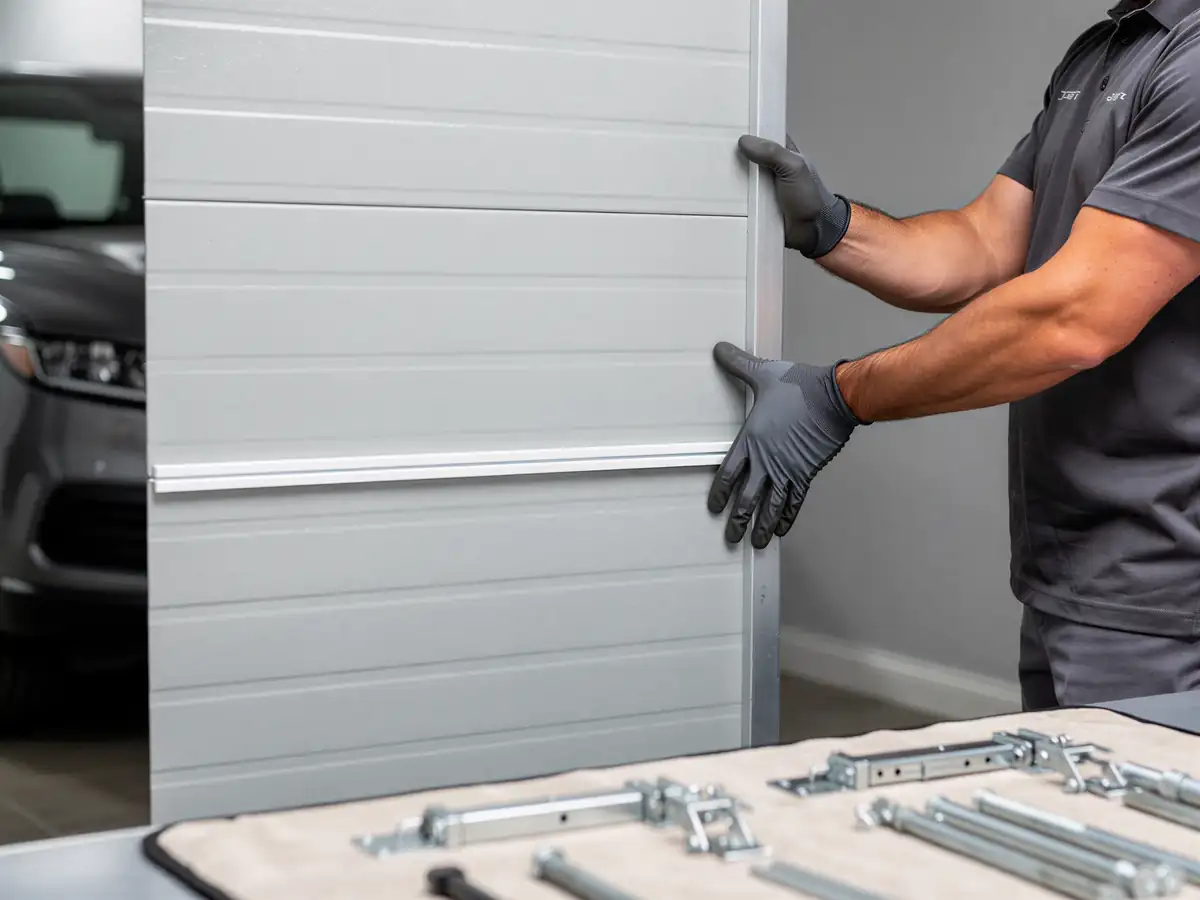
If the door jerks instead of gliding, or the opener's motor sounds like it's working harder than it used to, that's usually a spring losing tension, not the opener itself failing. With 5,108 owner-occupied houses across the service area and most of them built in the 1988-2013 window, a lot of those original springs and chain-drive openers are reaching the end of their rated life around the same time. A door that reverses on its own partway down often means the sensors are misaligned or dirty, not a motor problem - that one's usually a five-minute fix. Cables that look frayed or a drum with visible gaps where cable has slipped are a sign of imminent failure; that door shouldn't be used until it's looked at. Panels that have swollen or warped near the bottom, especially on the shaded side of the house, point back to the humidity we get here working into unsealed seams over the years. At a median household income of $68,085, most owners here choose to repair the spring or opener rather than replace the whole door, and for most of what we see, that's the right call - full replacement only makes sense when the track or the door frame itself has failed, not just the moving parts.
How it works
From “it’s stuck” to “it’s fixed”
01
Tell us what’s wrong
Describe the symptom - won’t open, loud bang, opener runs but the door won’t move.
02
On-site diagnosis
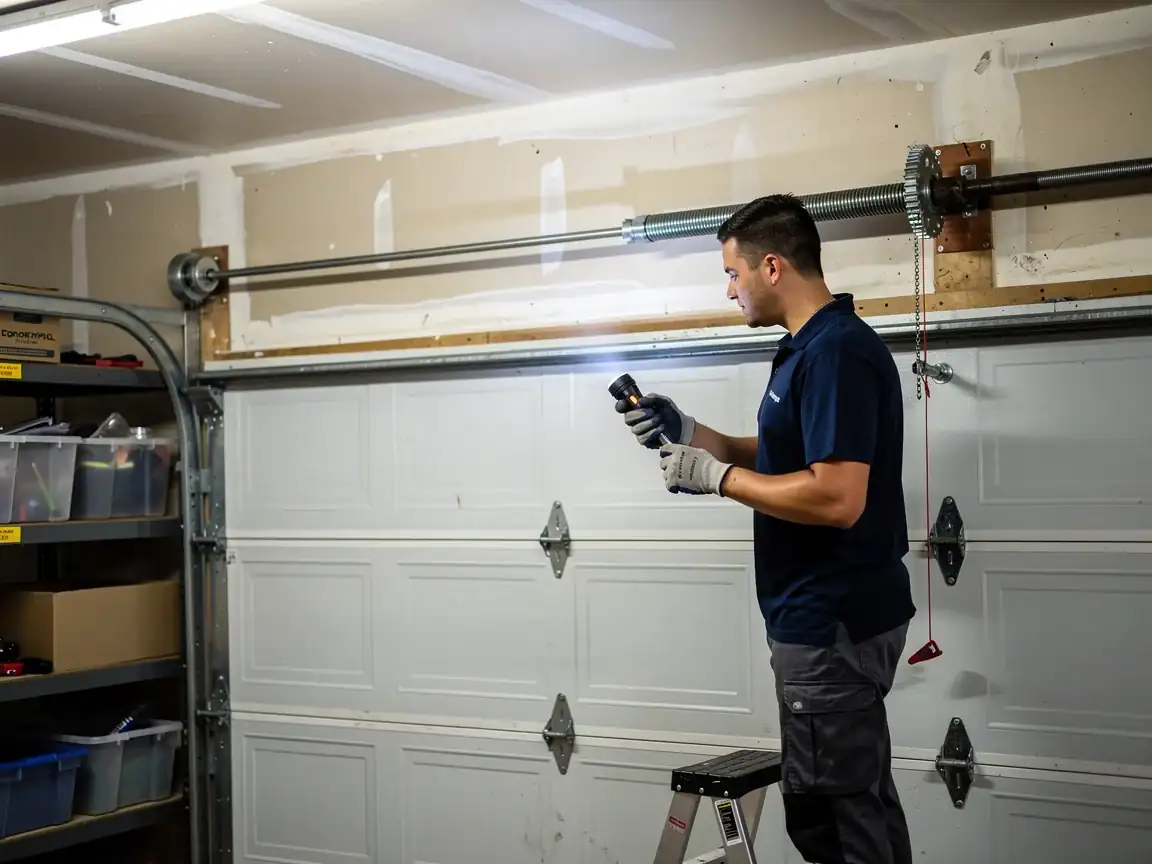
A technician tests the door under power and by hand and finds what actually failed.
03
Clear, up-front plan
You get the fix that’s needed and what drives the cost - before any work starts.
04
Repaired & tested
The repair is done, the door is set true and tested, and the work area left clean.
Next step
Not sure which repair your door needs in Bluffton, SC? Describe what it’s doing - every job starts with a diagnosis.
Straight answers about garage door repair in Bluffton. Still unsure? Ask us directly.
Why did my garage door spring snap with no warning?
Torsion springs are rated for a set number of open-close cycles, and in homes built in the 1988-2013 range common around here, a lot of those original springs are hitting that limit around the same time. It's wear, not weather - our mild climate doesn't put the same cold-shock stress on springs that colder regions see. There's rarely a warning beyond a slow loss of lift before the final break.
Do you service homes near Palmetto Bluff?
Yes. Palmetto Bluff is about two miles southeast of our base is roughly three miles north-northwest, both well within our regular service radius, which runs out past Hardeeville.
Should I repair my opener or replace the whole door?
If the track, frame, and panels are sound and it's just the spring or opener motor failing, repair is almost always the cheaper and faster route, and it's what most owners here choose. Replacement makes sense when the panels have warped from moisture or the door is physically out of square.