Can You Do This Yourself
A lot of homeowners ask if they can swap a garage door themselves
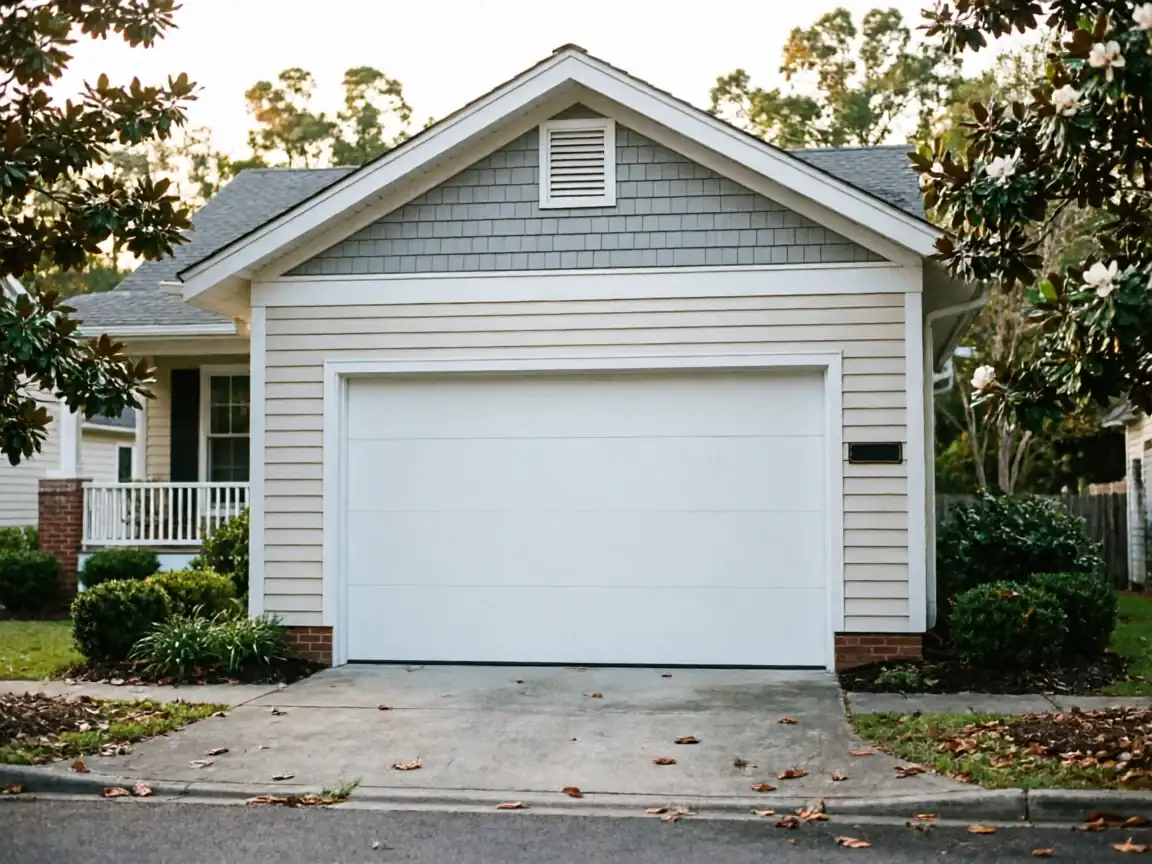
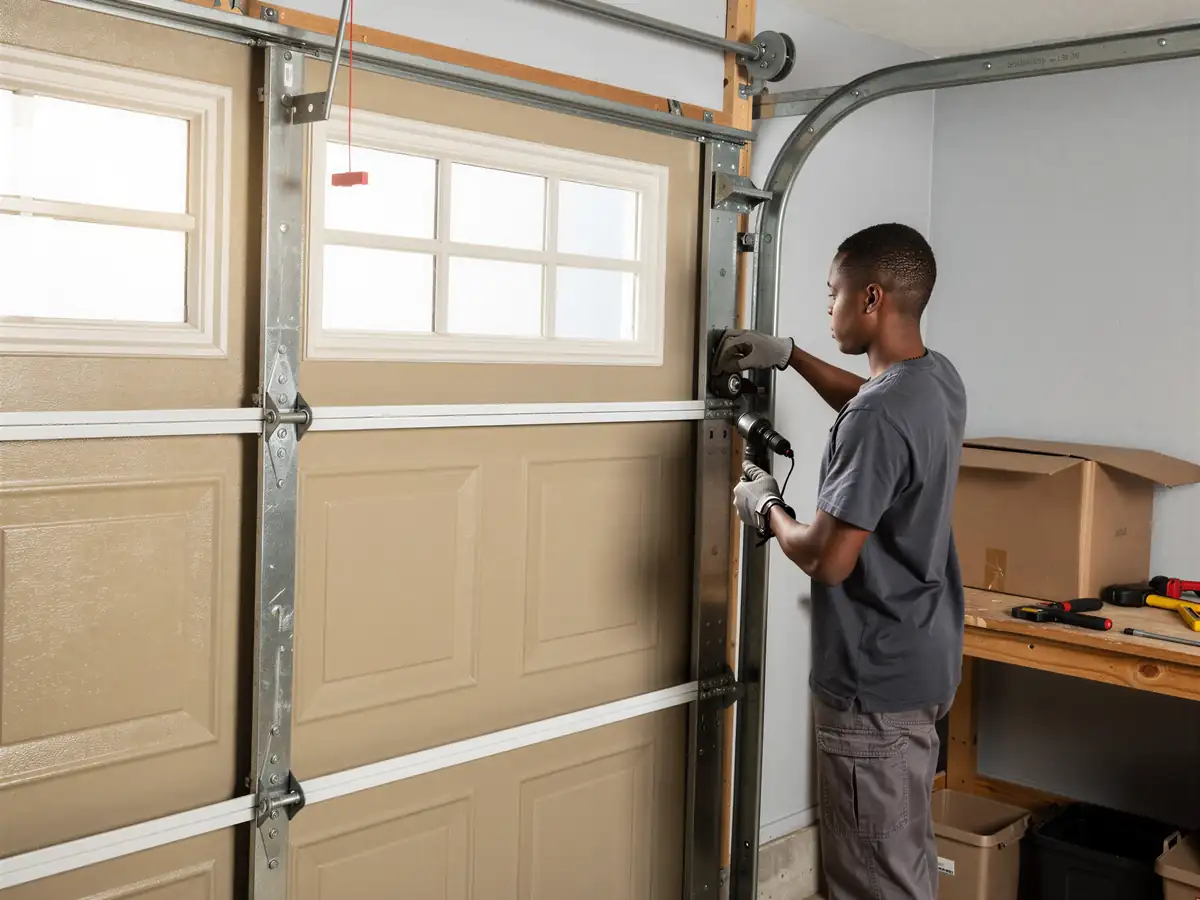
And the honest answer depends on what's involved. Hanging a new single-panel door on an existing track with no structural changes is within reach for someone handy with tools and a second set of hands. But most of the installs we run in this area aren't that simple, because the housing stock here was built between 1988 and 2013, median right around 1994, and a lot of those original openings used hardware sizing that newer doors don't match without adjustment to the track, header, or jamb.
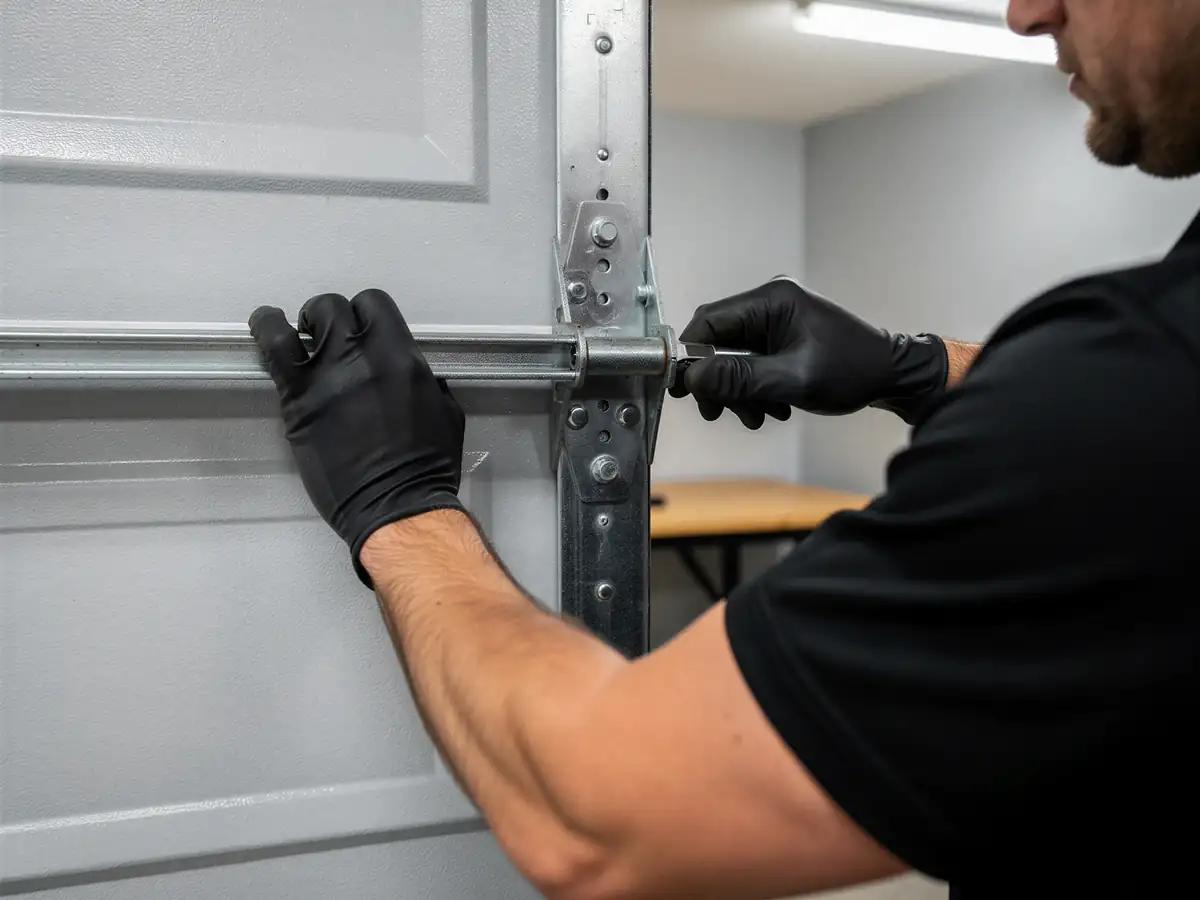
Springs are where DIY gets dangerous
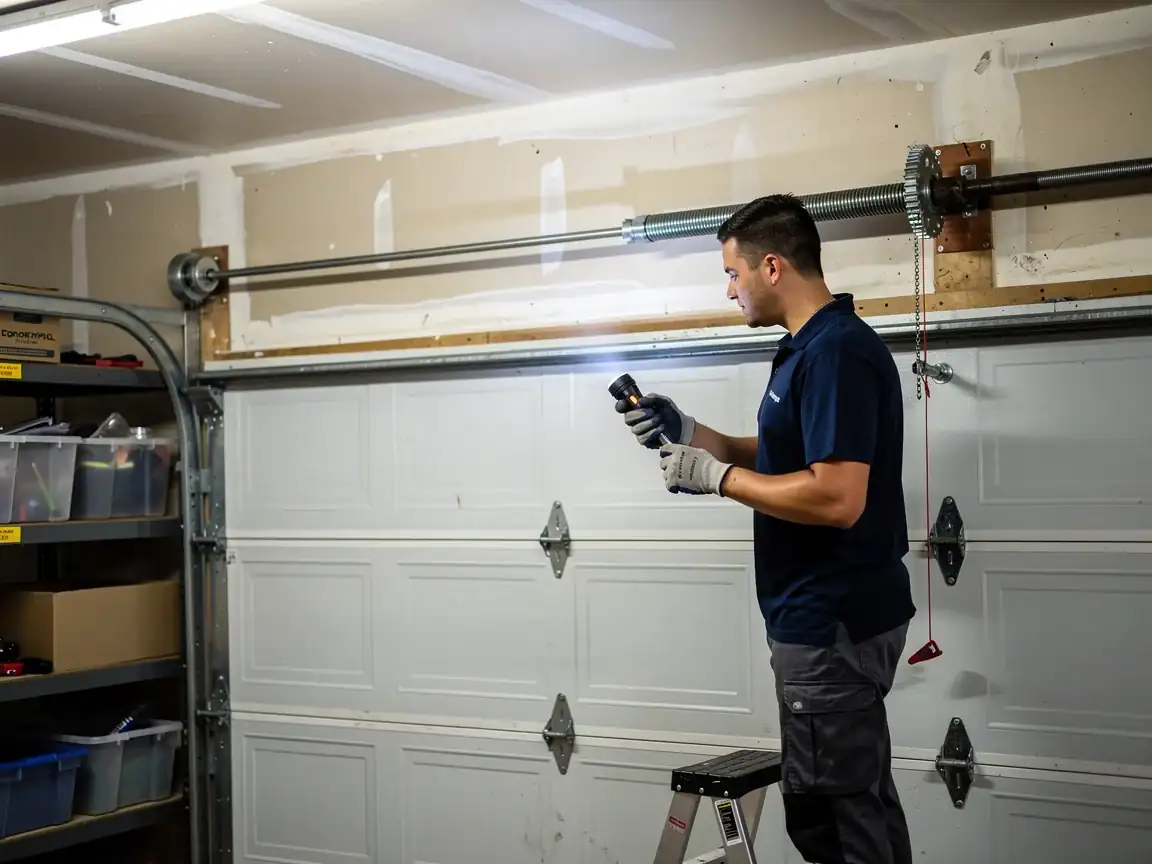
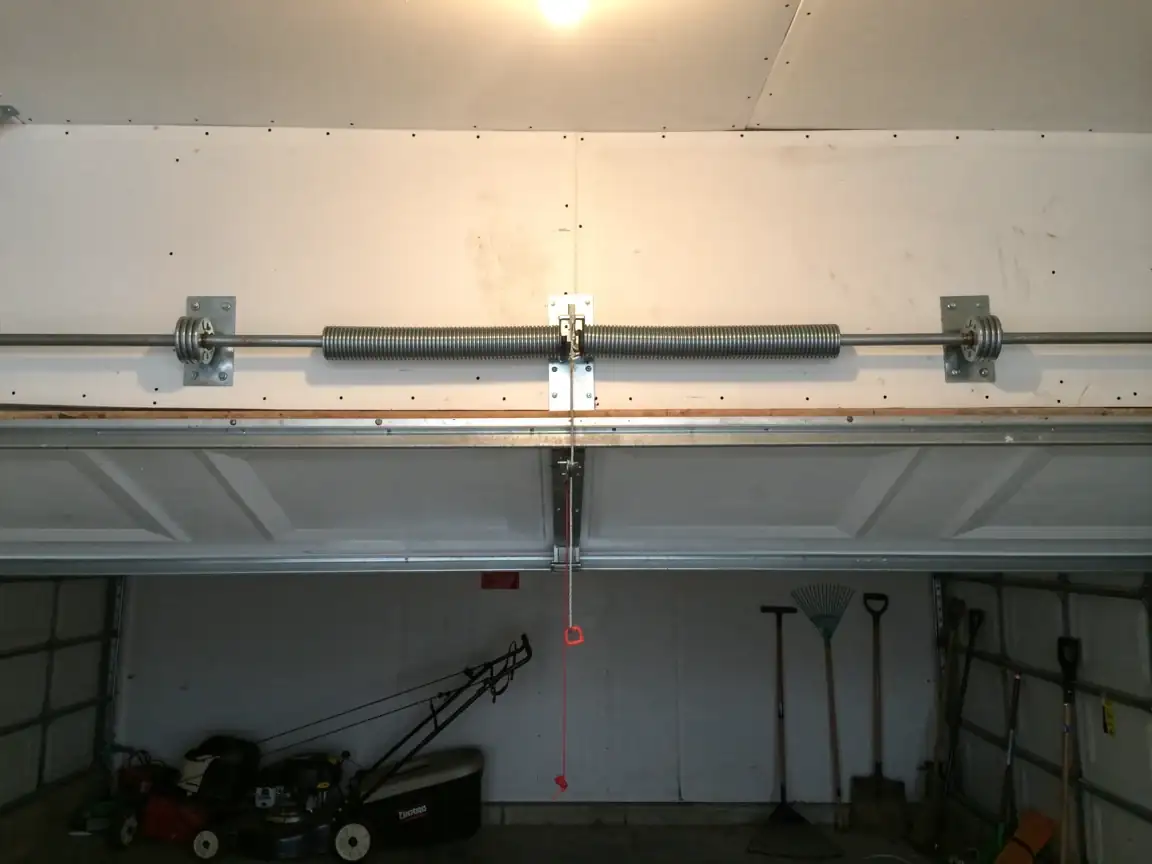
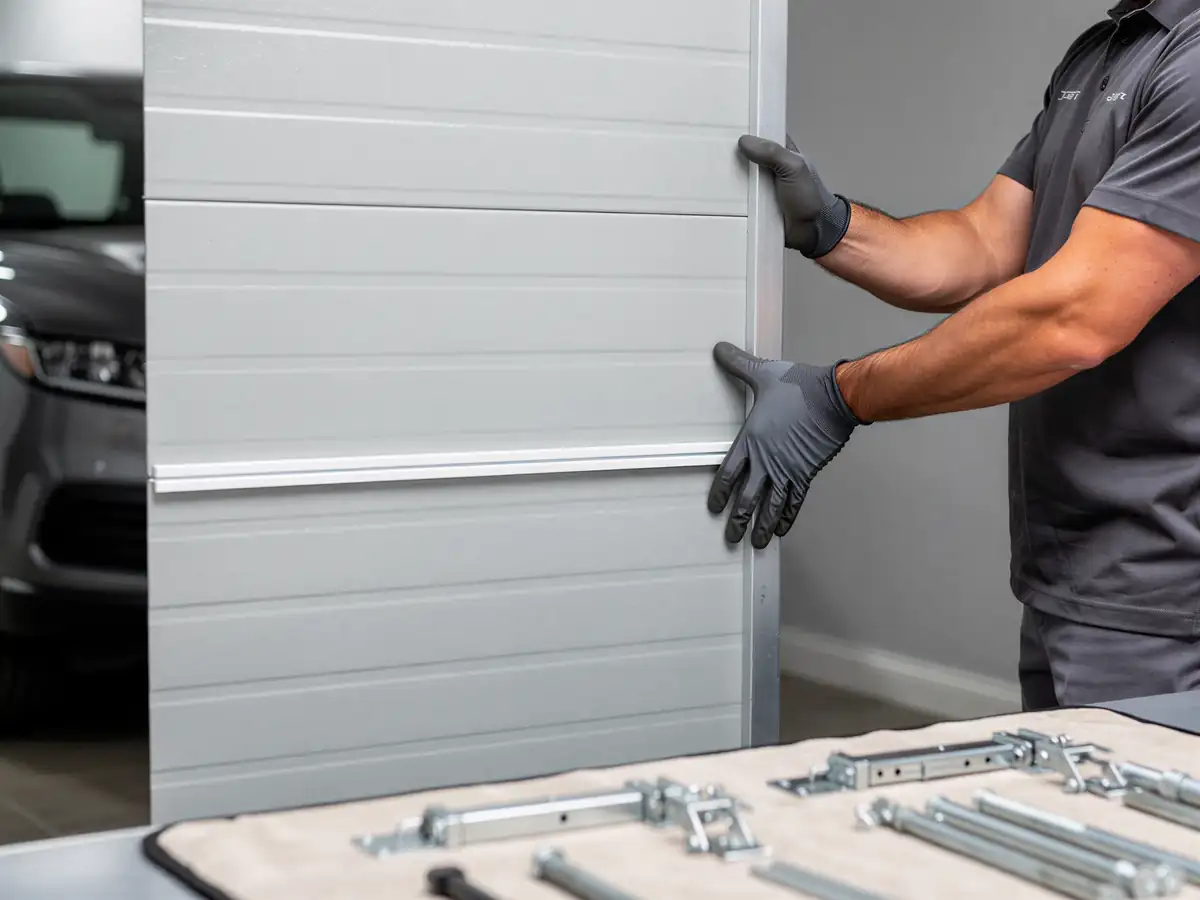
A wound torsion spring under tension can break a hand or worse, and setting the right spring size for a new door's weight isn't guesswork - it's a calculation based on door material, insulation, and track type. If you're just replacing a damaged panel on a door you already own and the track geometry is unchanged, that's a reasonable weekend project. If you're putting in a new door, especially anything heavier or taller than what came with the house, we'd rather you call than end up with a door that slams shut on its own. We don't do same-day installs on custom sizes or wood doors - those are special order and take longer than a standard steel panel.
Why It Happens Here
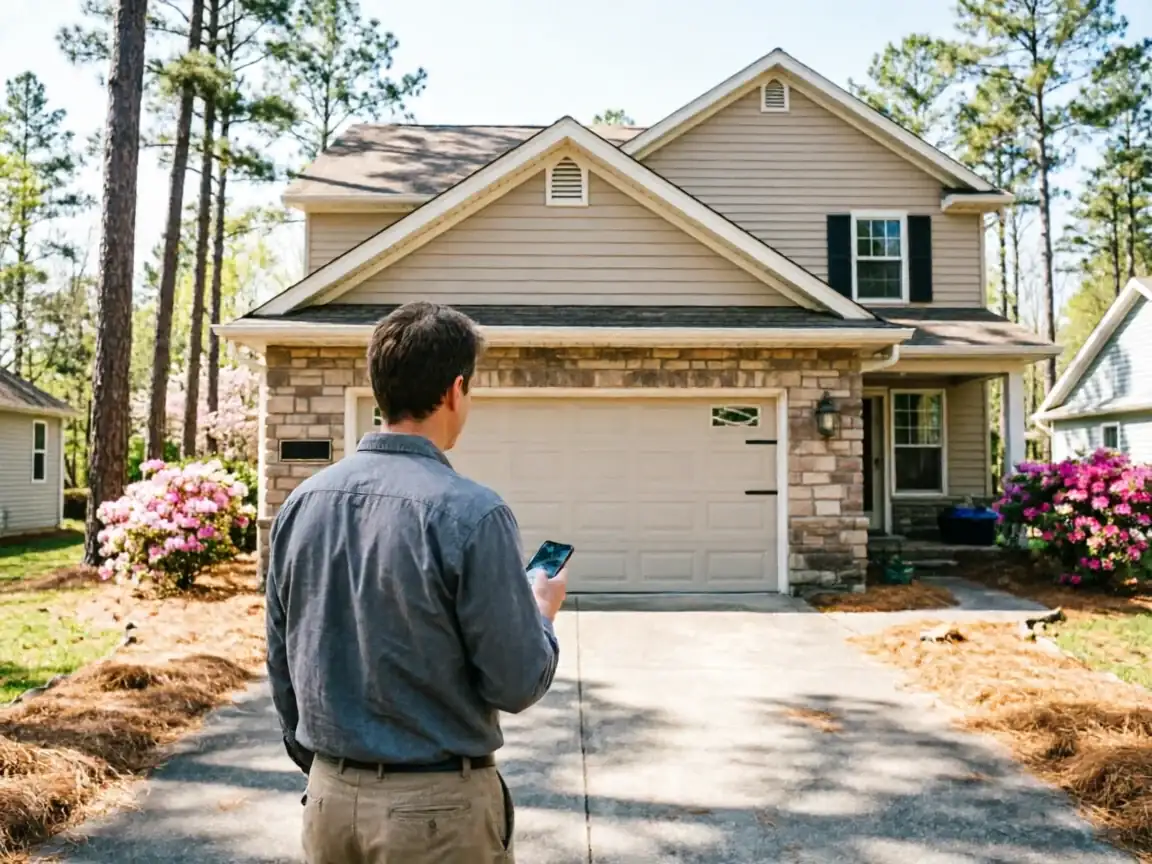
Six named pockets of Bluffton-area housing share the same problem: they were all built in the 1980s and 90s, which means the garage doors and openers in a huge share of homes are hitting 30-plus years old at roughly the same time. That's not a coincidence of bad luck, it's a wave. When a neighborhood gets built in a five or ten year window, the doors fail in that same window, decades later.
The climate here is mild with occasional freezes, which is easier on hardware than a true cold-winter market, but it isn't nothing. Humidity swings swell wood jambs and warp older wood-panel doors, and the freeze-thaw cycles that do happen are enough to stress steel track brackets that were never top-grade to begin with. Builder-grade doors from the 90s weren't designed with today's insulation standards or with the coastal humidity load in mind, so by the time a homeowner calls us, it's often not one broken part - it's an opener, a track, and a door all reaching the end of their service life within a year or two of each other. That's the pattern we plan installs around: not emergency single-part swaps, but full-door jobs where replacing everything at once actually saves a second truck visit.
Booking a Visit
Most of the households we install for in this area are owner-occupied houses rather than rentals, and with a median household income around $68,085 across roughly 15,782 households in the service area, the majority of installs we quote land on a mid-range steel door rather than a premium insulated wood option. That's useful context when you're deciding what to ask for - we're not going to push you toward the top of the catalog if it's not what most of your neighbors are choosing.
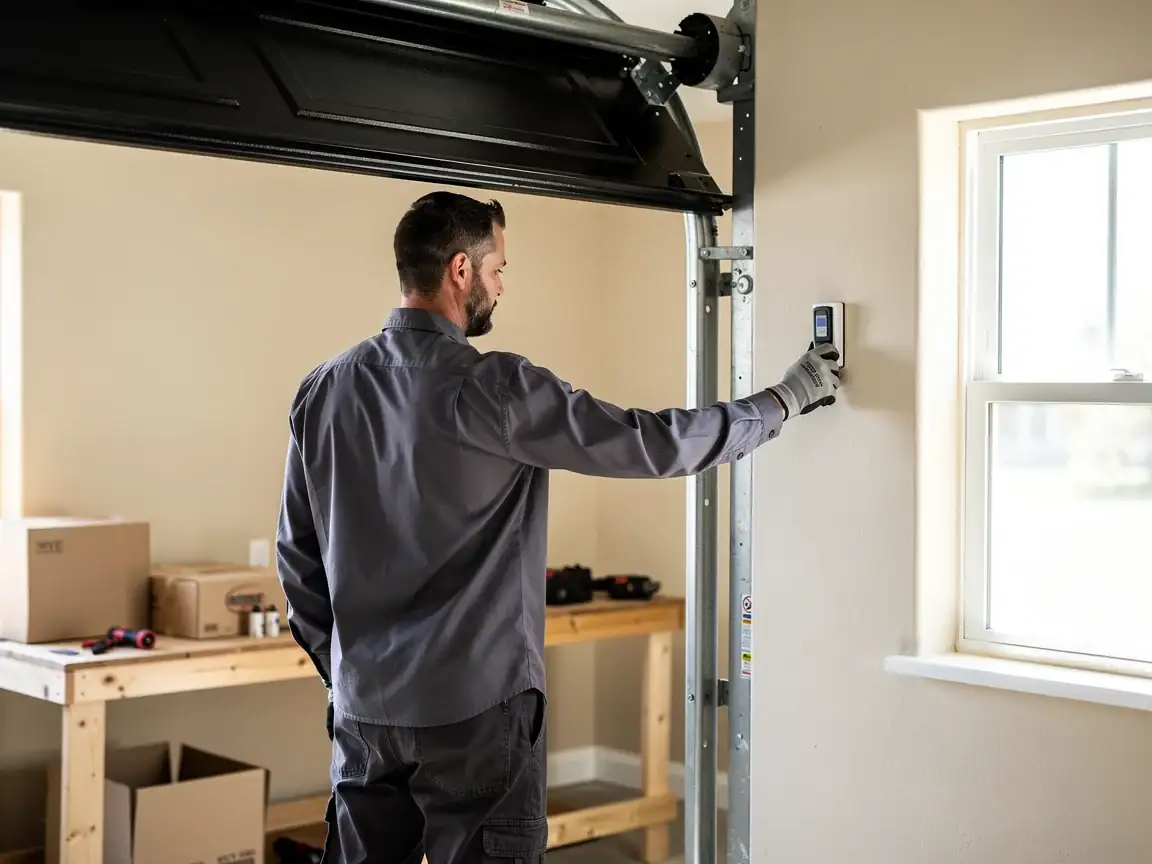
When you call, we'll ask about the age of your house, roughly, and whether the opener is original or already replaced, since that tells us a lot before we ever see the door. If you're out toward Hardeeville or up near that's still within reach for an install visit; if you're closer in, near Palmetto Bluff, scheduling tends to be tighter around peak building seasons. We measure the actual opening on site before we order anything, because builder-era openings in this area don't always match current standard sizes exactly, and ordering off a guess means a second trip.
What You Are Seeing
If your door is from the original build and your house falls in that 1988-2013 window
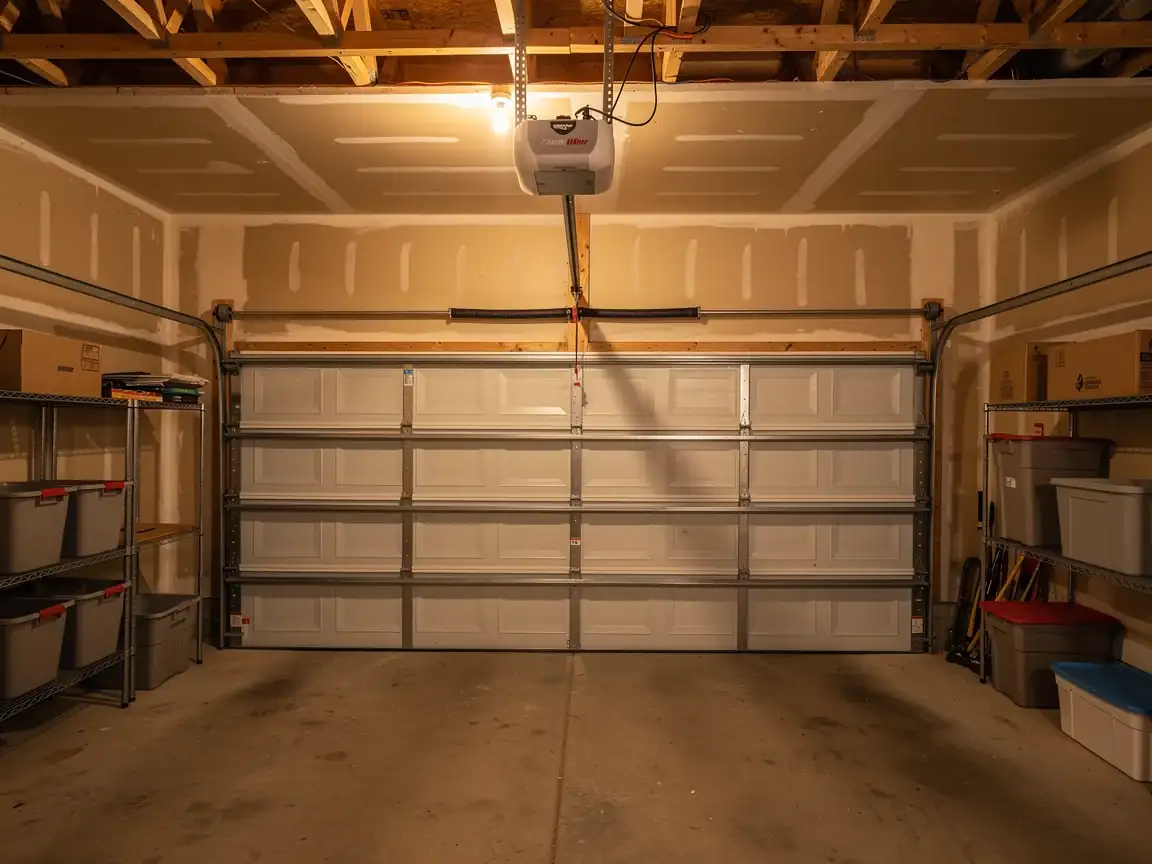
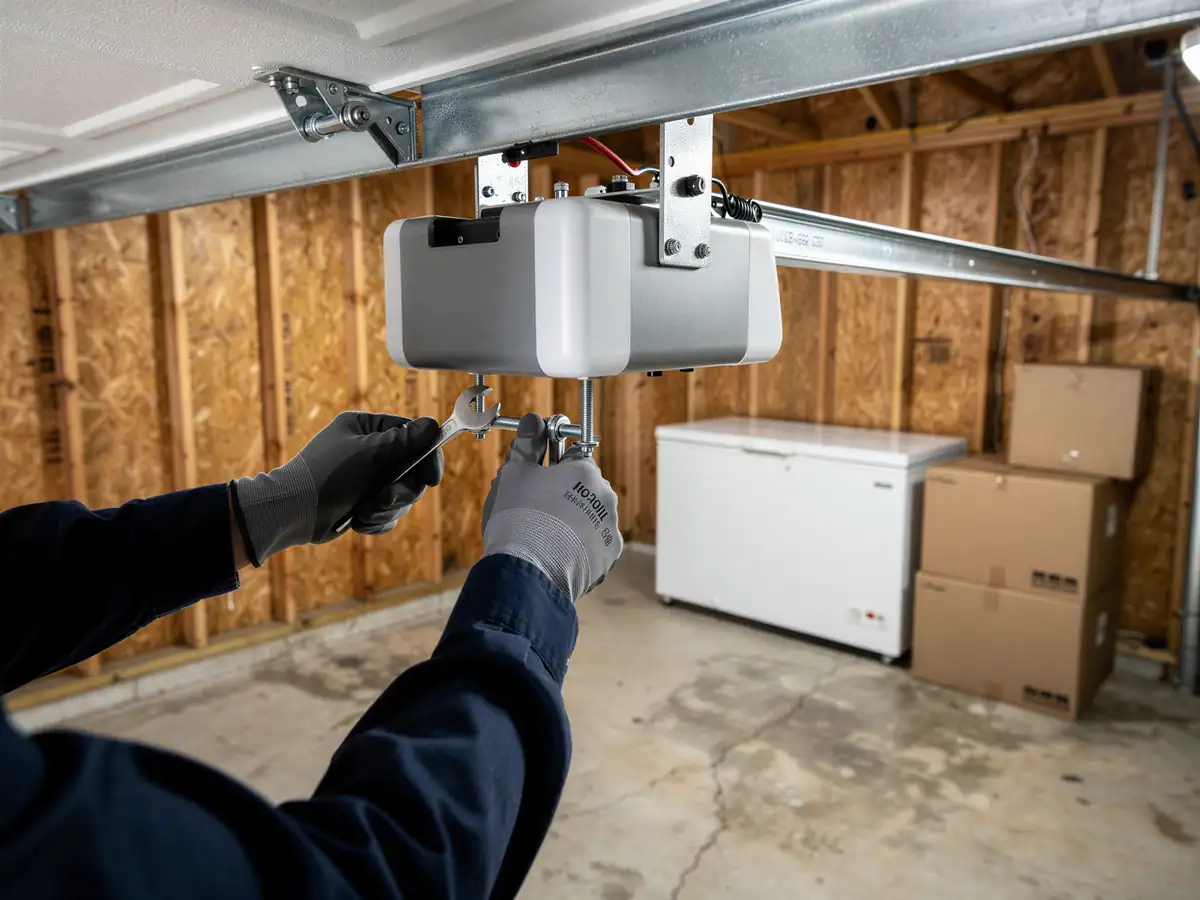
The signs of a door that's done are usually the same: the opener strains and reverses partway up, the bottom panel shows rust or rot at the seam, or the door sits crooked in the track even after a tune-up. None of that means the whole system failed overnight - it means thirty-odd years of mild humidity and the occasional freeze did what they always do to builder-grade steel and wood.
Sometimes what looks like a job for a new door is actually a cheaper fix
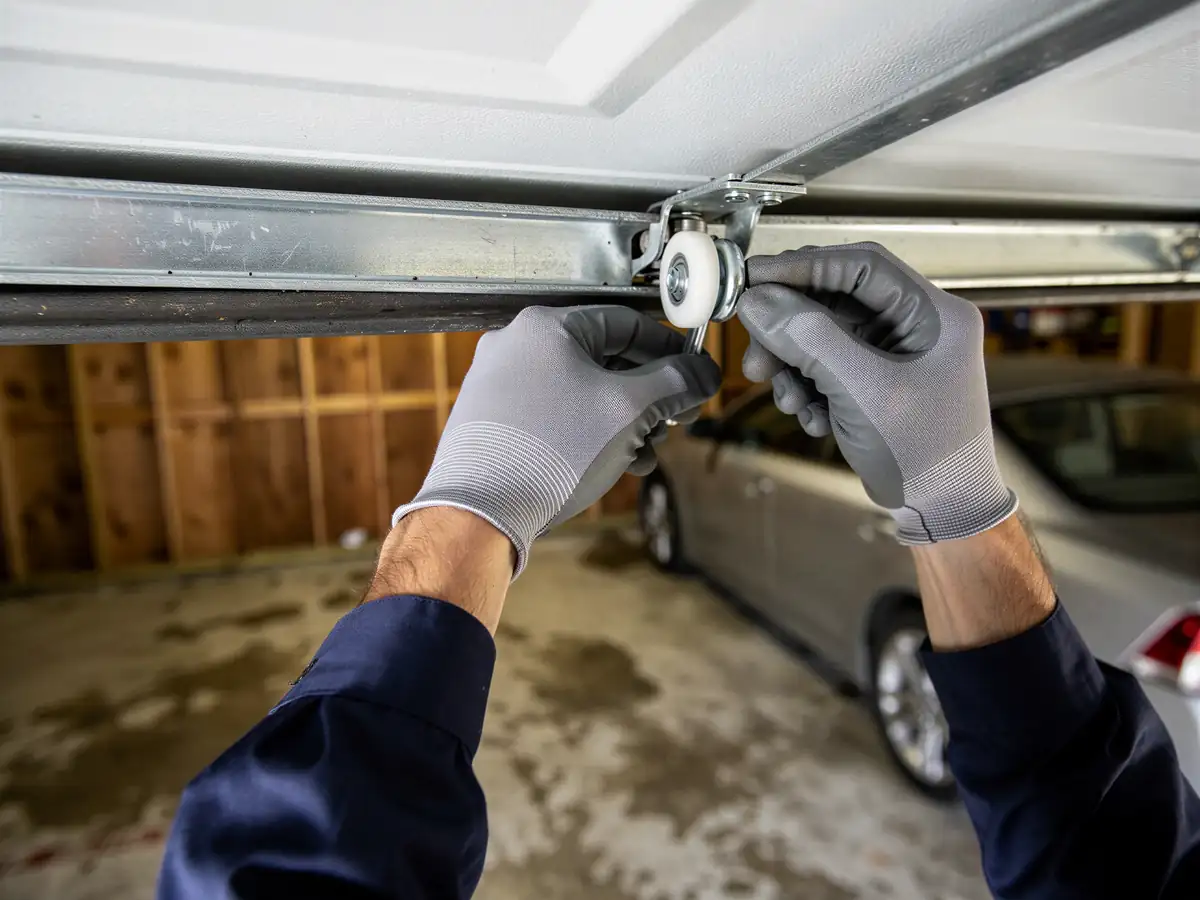
A bent track or worn roller can mimic the stuck, grinding motion that makes people assume the whole door is shot. We'll tell you straight if that's what we find, even though an install is the bigger job. The one thing we can't shortcut is special-order sizing - if your opening is nonstandard, or you want a wood-look insulated door instead of steel, that's a longer lead time than a standard panel, and we'd rather tell you that up front than promise a date we can't hit.