Can You Do This Yourself
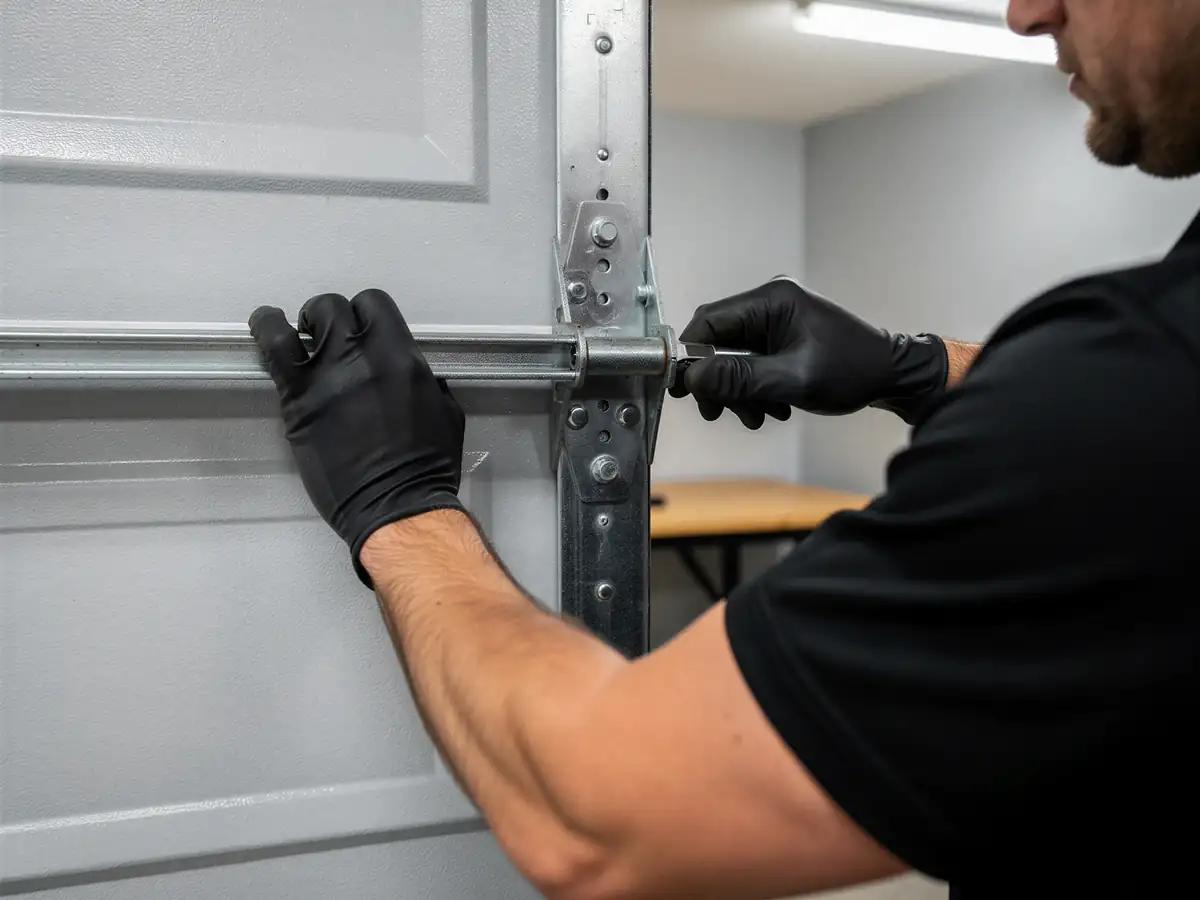
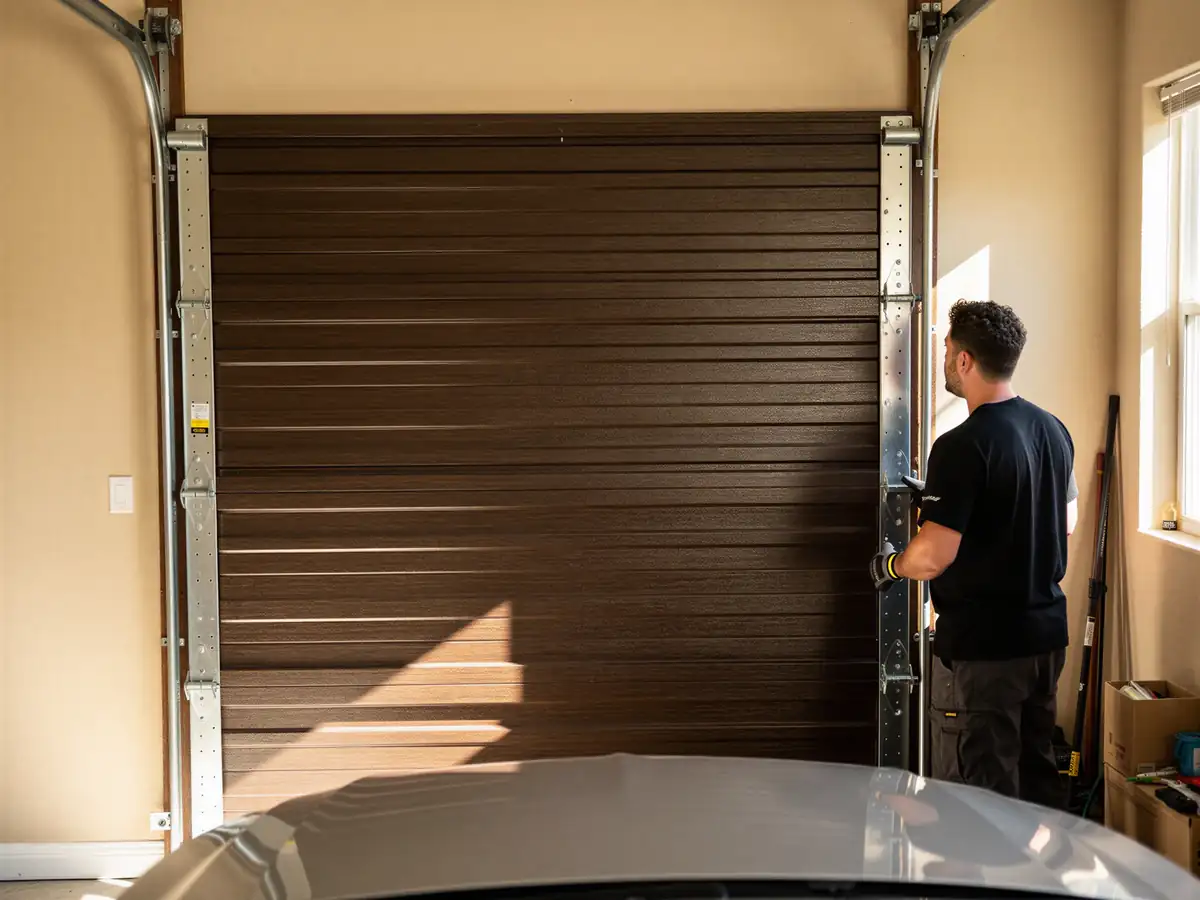
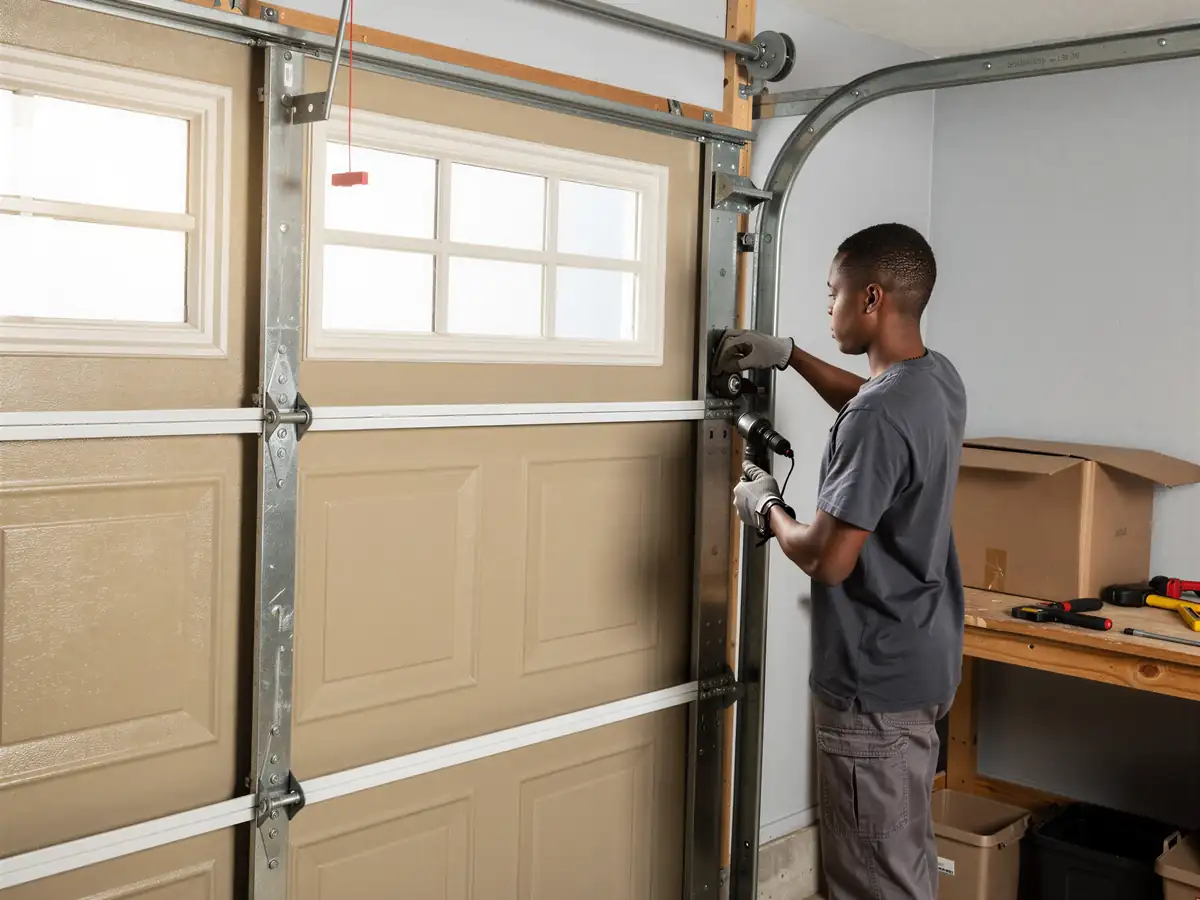
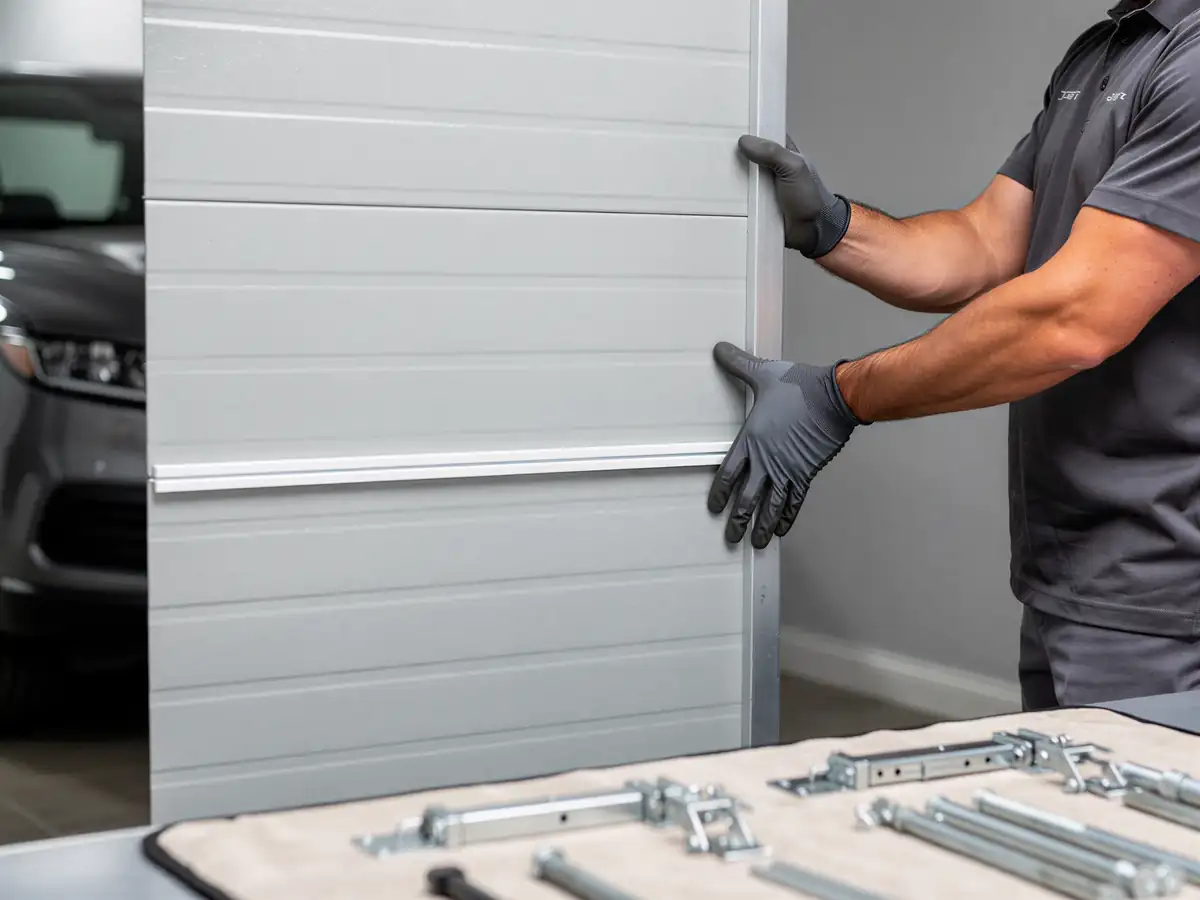
A single dented or rusted-through panel is a reasonable DIY swap if your door is a common steel sectional and the section bolts straight to its neighbors without a seam weld
Most doors built during Bluffton's big growth years, 1988 through 2013, use bolted sections, which helps.
Where it gets hard is matching
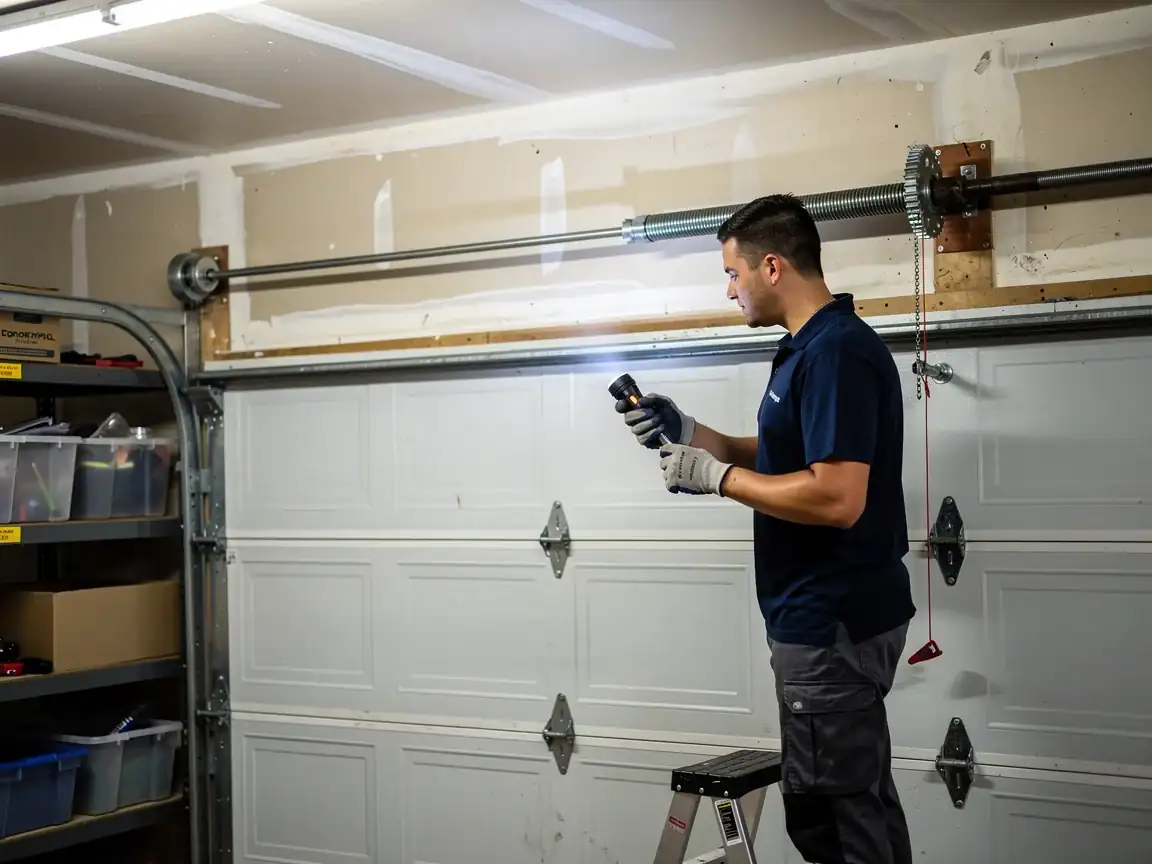
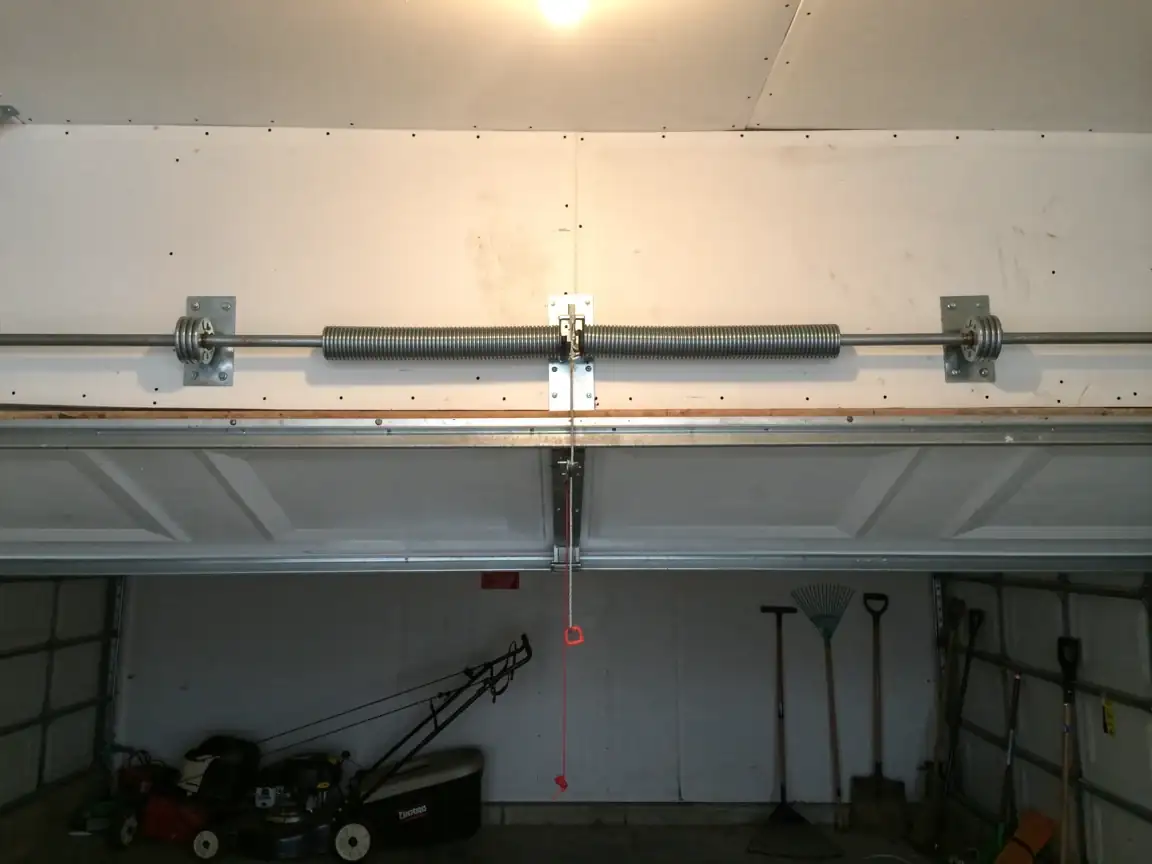
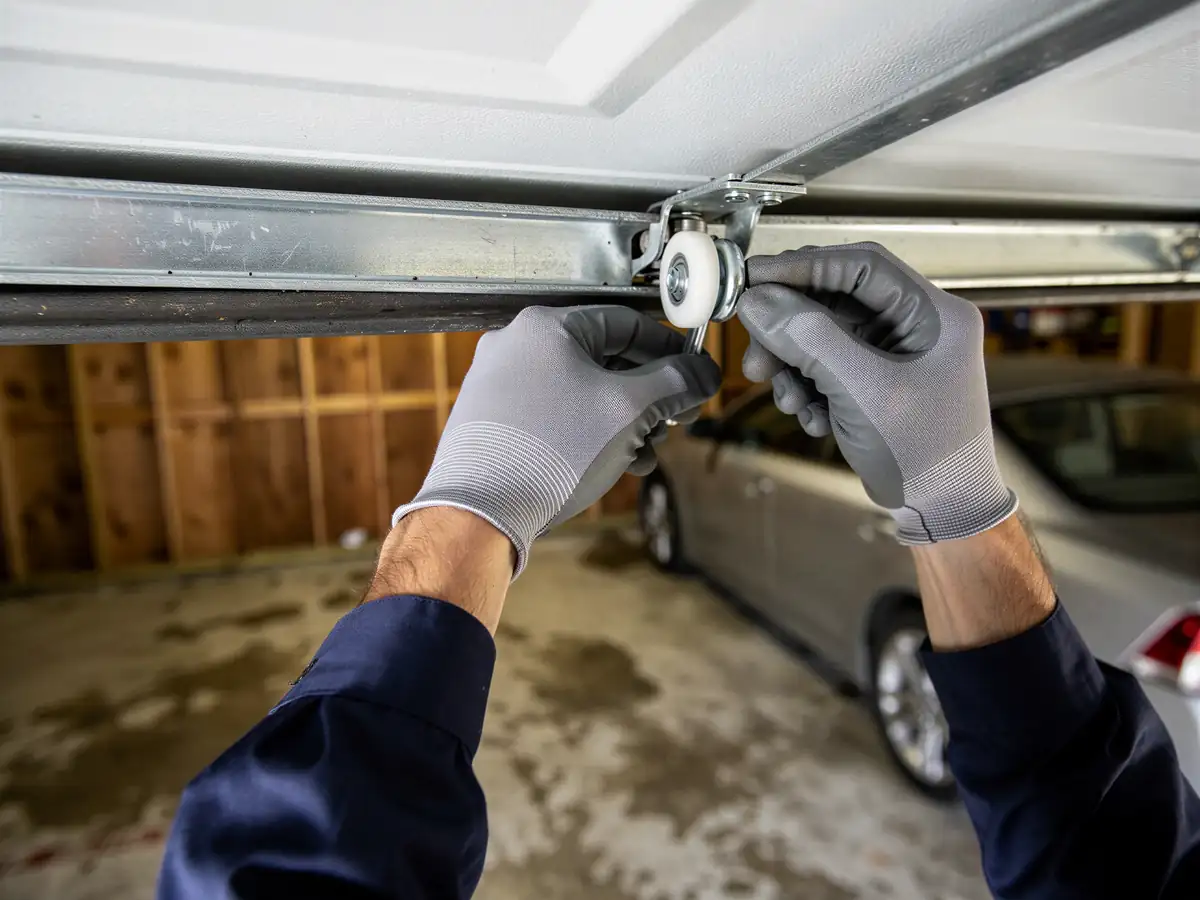
Panel profiles and colors changed across those 25 years of construction, and a section pulled from a 1994-era door often won't bolt flush to a 2010-era frame even if both say the same brand. We keep a working stock for the builds most common across the area's six older subdivisions, but we can't promise an exact match sight unseen - that's the one honest limit here. If your door has a torsion spring under load, don't open the end hinges yourself; that's where people get hurt, and it's a five-minute job for someone who does it daily.
- 25 years
If the damage is one section, low on the door, and the rest of the panels are flat and unrusted
A single-panel swap is usually cheaper than full replacement. If two or more sections are warped or the whole door is pitted, you're often better off pricing a new door instead of chasing parts for an old one section by section.
Why It Happens Here
Bluffton's housing stock is tightly clustered: most of it went up between 1988 and 2013, with a median build year of 1994, concentrated across six named subdivisions rather than spread evenly over decades. That matters for panels because entire streets got the same door, from the same supplier, in roughly the same window - so when one house starts showing bottom-panel rust, the house next door is usually a year or two behind it on the same failure.
The climate band here is mild with occasional freeze, not the hard freeze-thaw that cracks panels from ice expansion. What gets Bluffton doors instead is moisture cycling - long humid stretches followed by cooler nights that condense on the inside skin of steel panels, especially the bottom section that sits closest to grade. Over 25-plus years that shows up as bubbling paint, then rust-through at the seams, well before the hardware or springs give out.
That combination - a narrow building era and a damp-not-freezing climate - is why panel rot tends to hit the bottom section first here, on doors that are otherwise structurally sound. It's a different failure pattern than a door that's cracking from hard winters, and it's worth knowing which one you've actually got before you order parts.
Booking a Visit
We cover the Bluffton service area and the surrounding towns and communities out to about 20 miles - Hardeeville, Shell Point, Port Royal, Ridgeland, Burton, Laurel Bay, Palmetto Bluff, Latitude Margaritaville Hilton Head. Across that area there are roughly 15,782 households, about 5,108 of them owner-occupied houses, so we see a lot of doors from the same construction wave failing in the same way, year after year.
When you call, tell us the door's approximate age if you know it, how many panels are affected, and whether you can see the brand or model sticker on the inside track. That lets us pull likely-match stock before the truck leaves, instead of showing up to measure and coming back a second time.
At a median household income of $68,085 for the area, most owners we work with choose to replace just the damaged section rather than the whole door, provided the rest of the panels are sound - it's the more common call, not the exception.
What You Are Seeing
Start at the bottom panel, the one closest to the ground
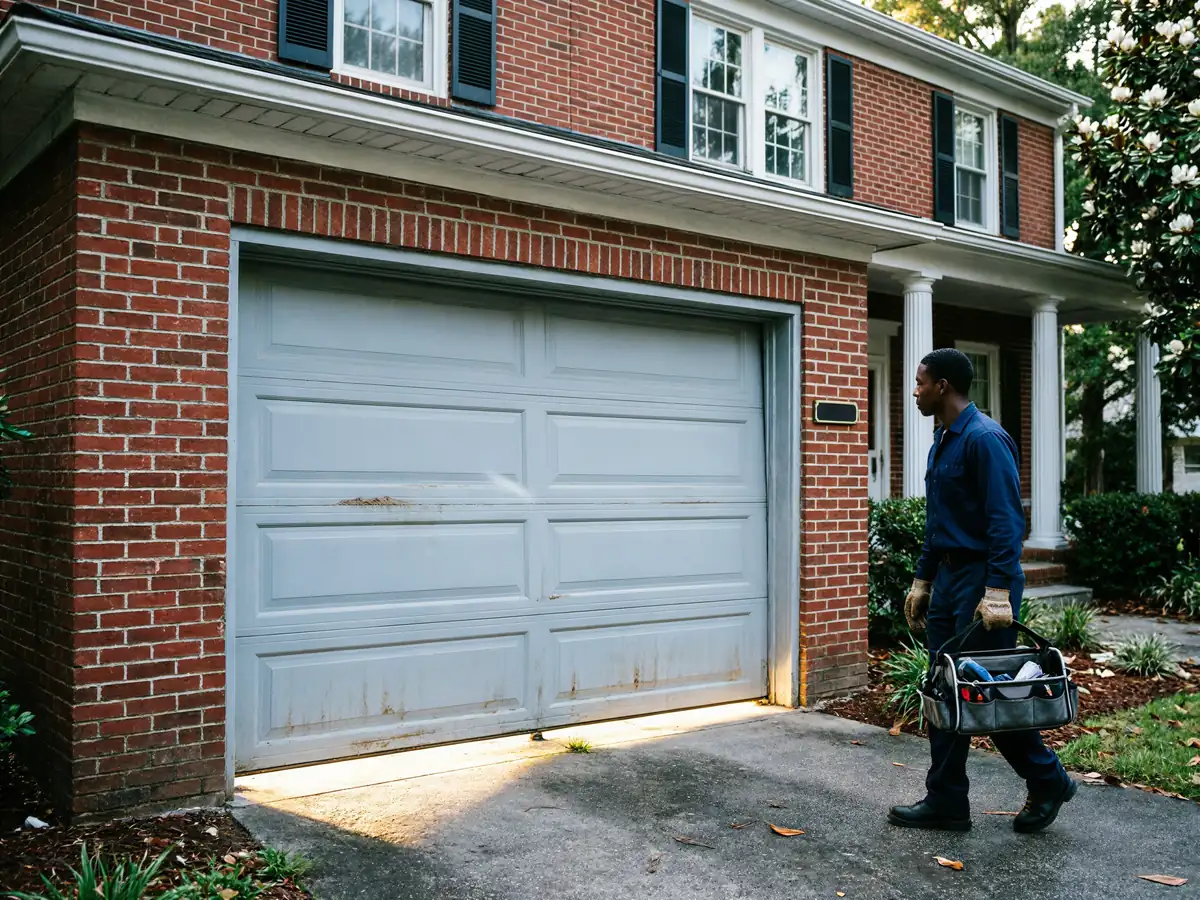
Bubbled paint, a soft spot you can push in slightly, or a rust line along the bottom edge usually means moisture has gotten behind the steel skin - common on doors from Bluffton's 1988-2013 building wave that are now old enough for that slow damp-climate corrosion to show.
A clean dent with no rust, from a car bumper or a dropped ladder
Is cosmetic and usually a straightforward single-panel swap if a matching section can be sourced. A warped panel - one that bows when the door is down, or won't sit flush against its neighbors - is different; that's often heat or impact distortion, and it can throw the whole door out of alignment even if the opener still runs fine.
If you're seeing rust or warping on more than one section
Or on both sides of the same panel, that's usually the door telling you it's at the end of its run rather than asking for a patch. We'll say so on site if that's what we find - there's no point selling a section replacement on a door that's going to need the next section in a year.