What You Are Seeing
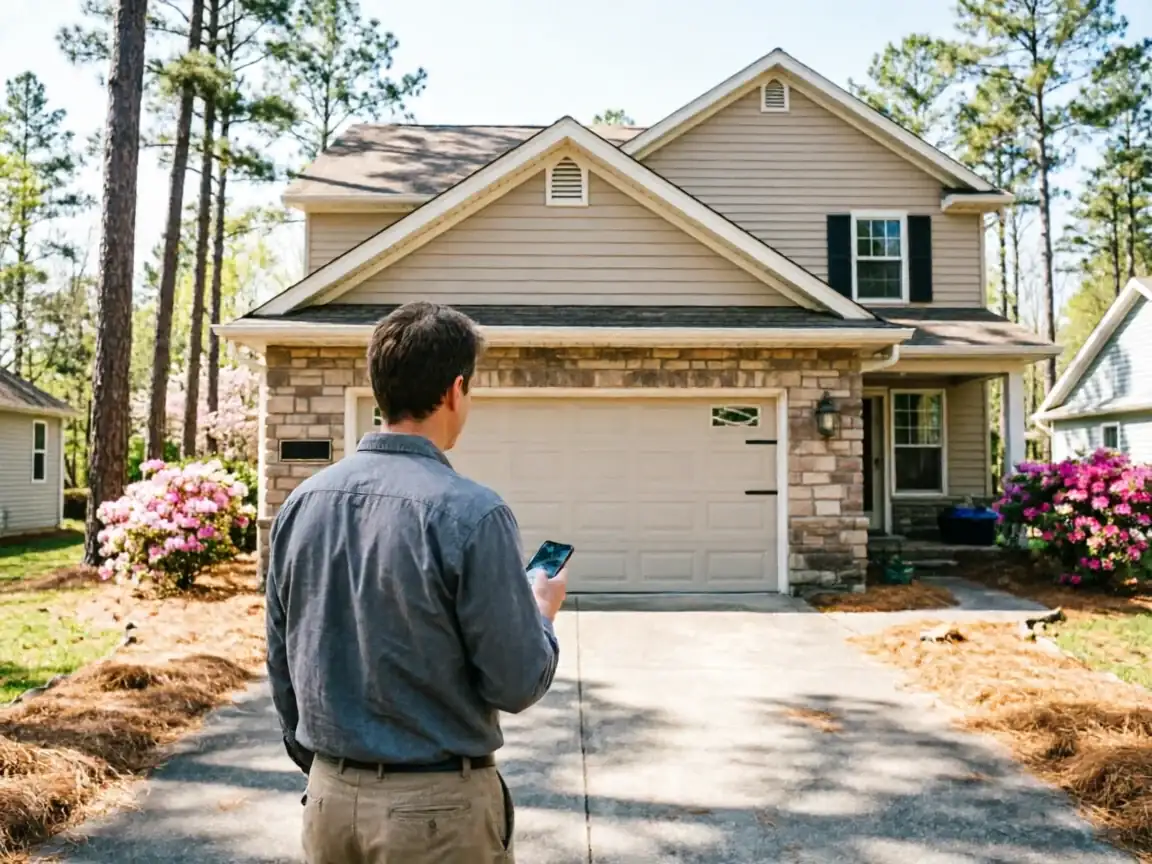
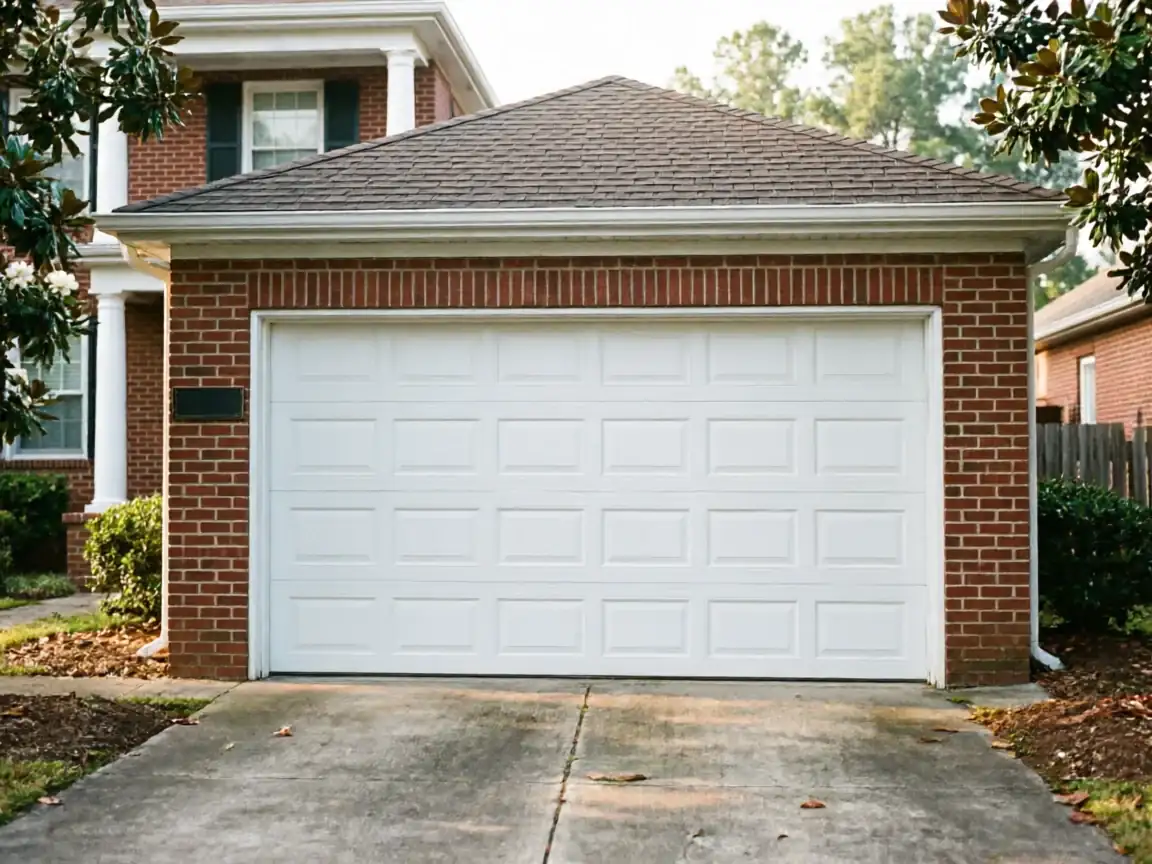
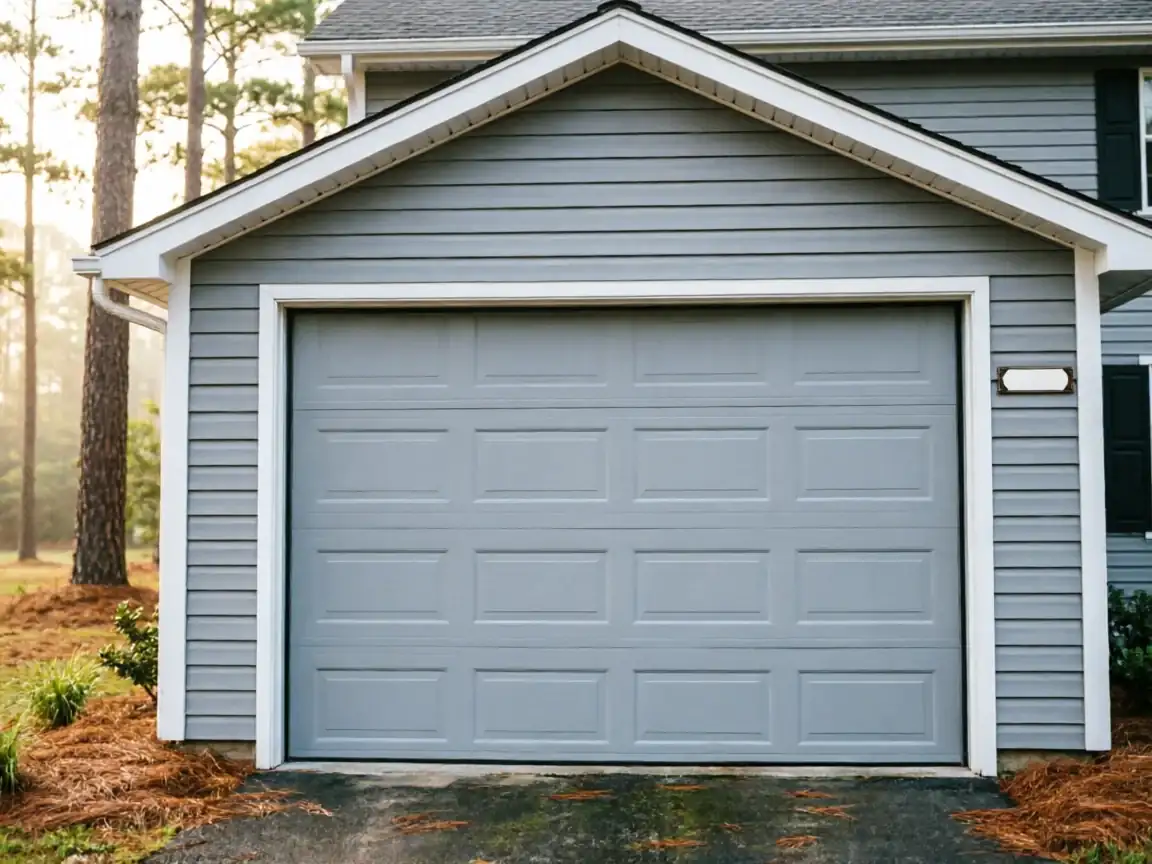
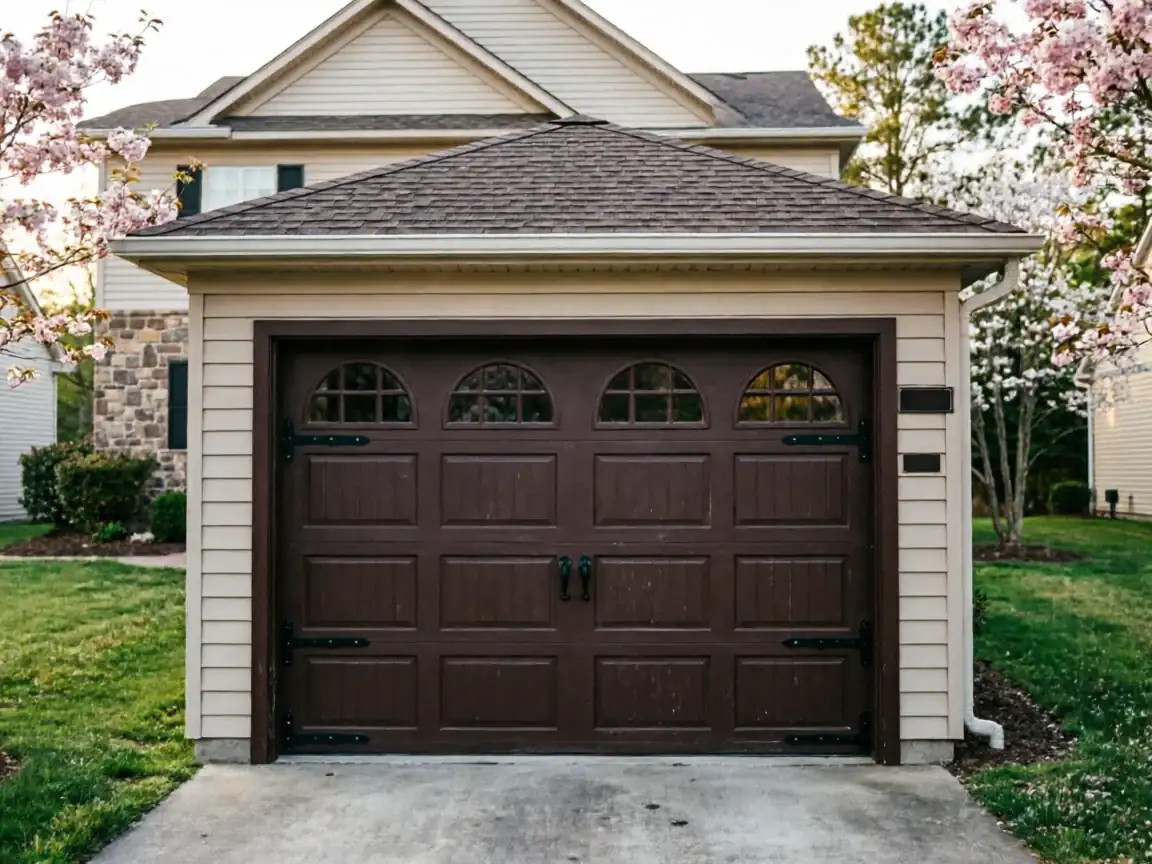
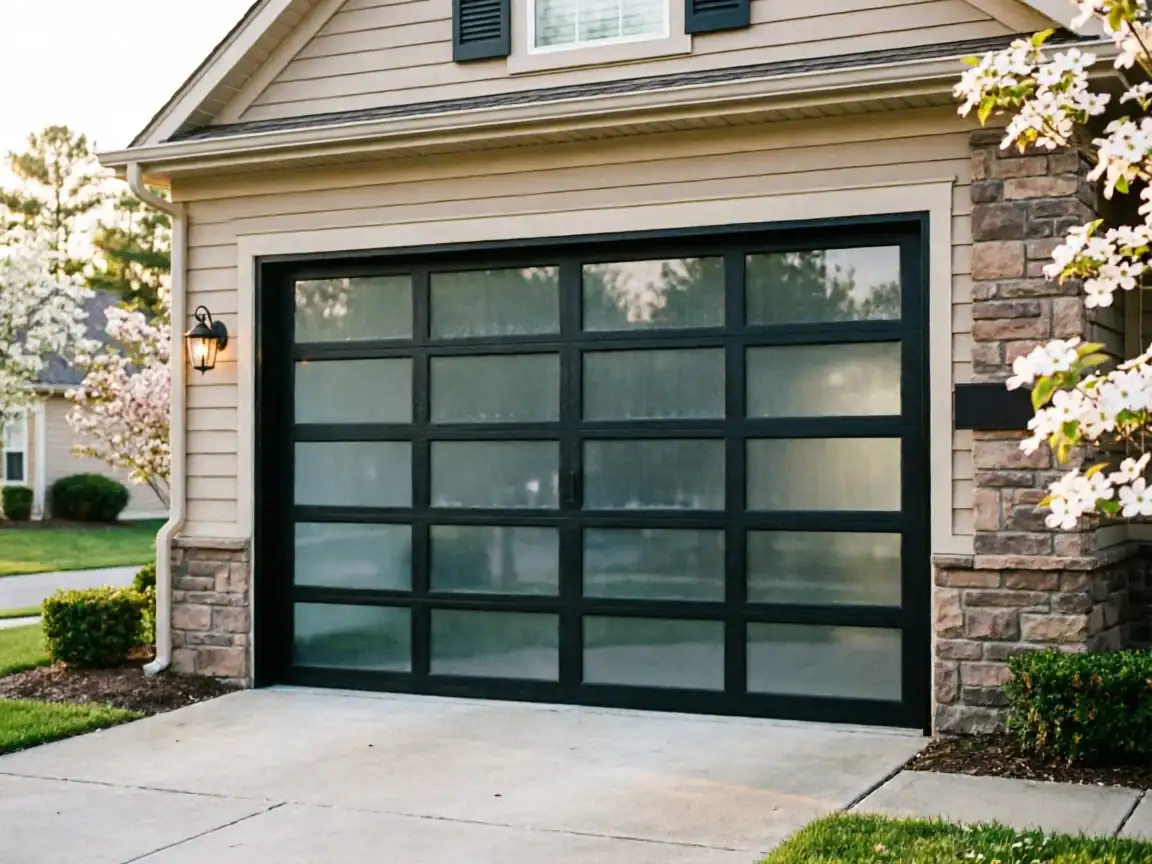
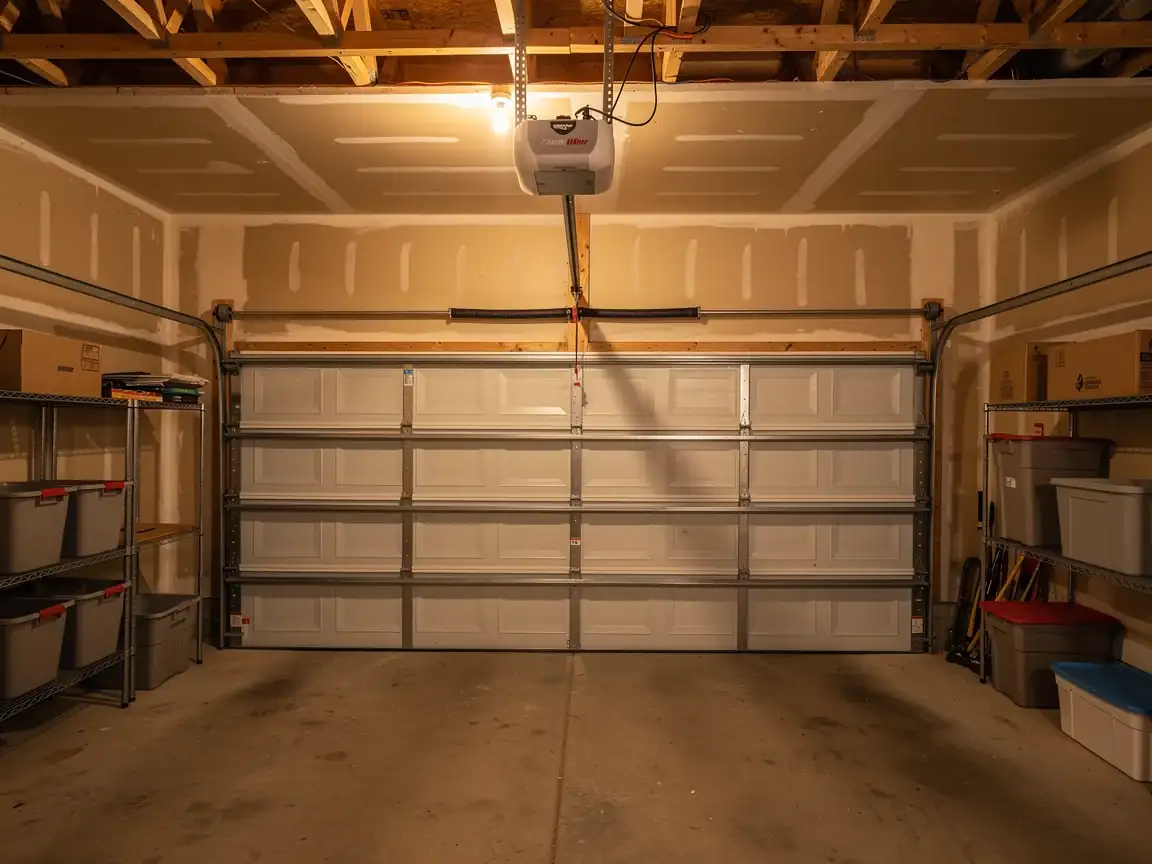
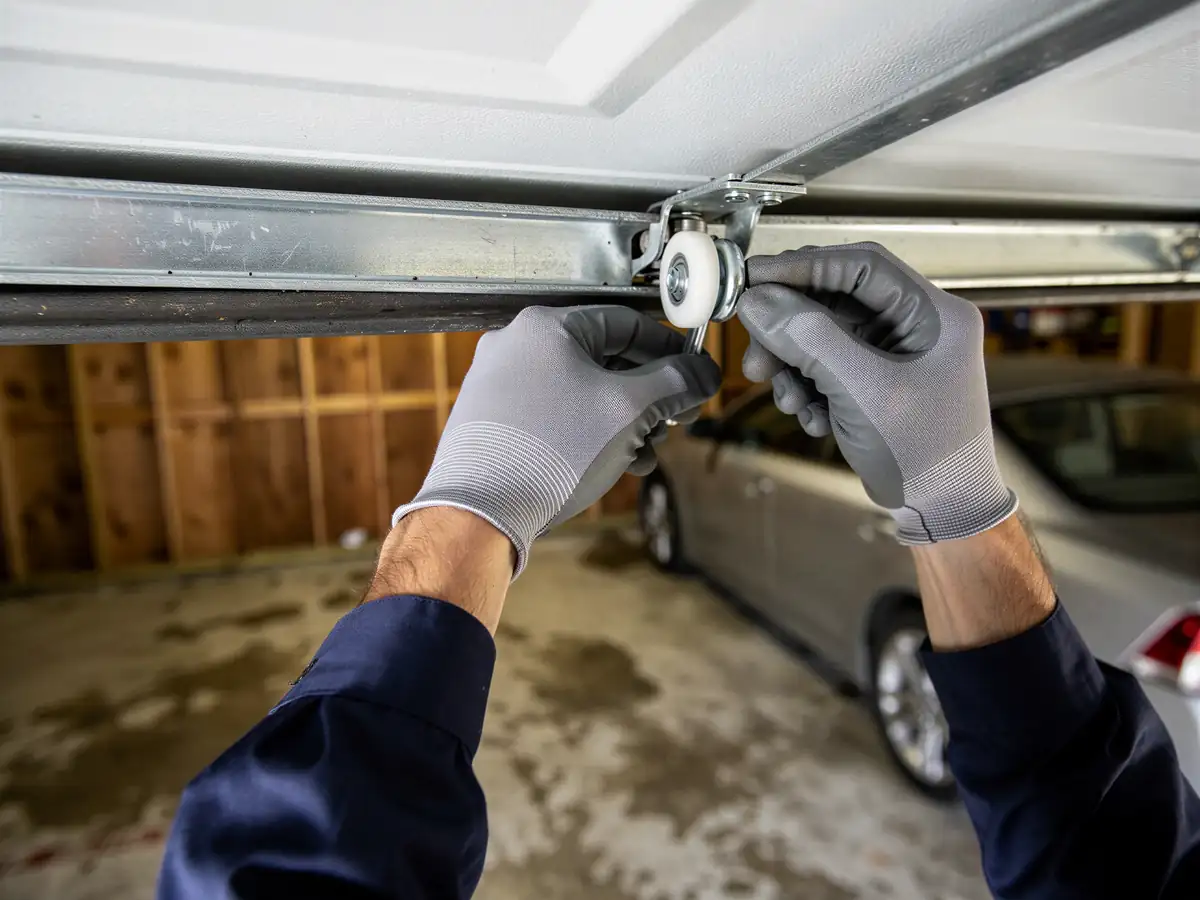
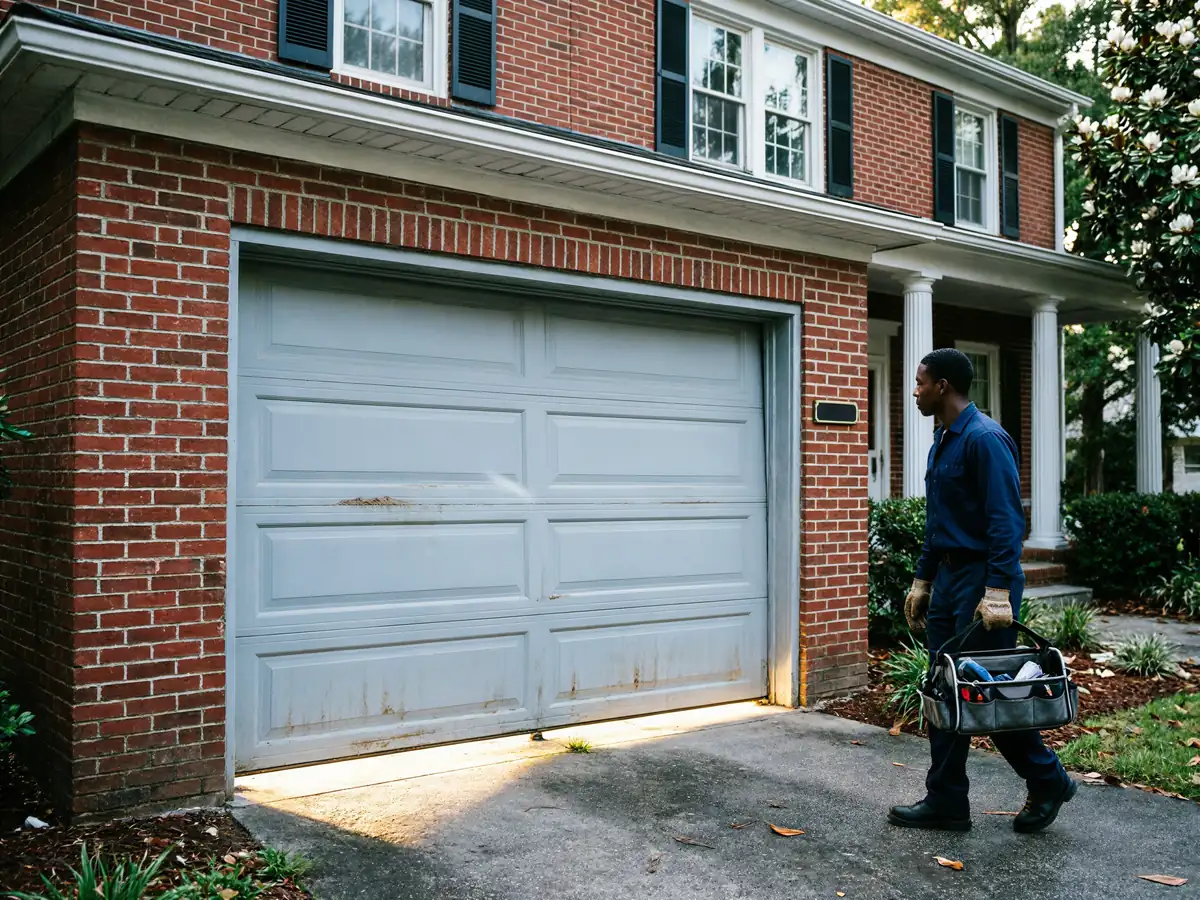
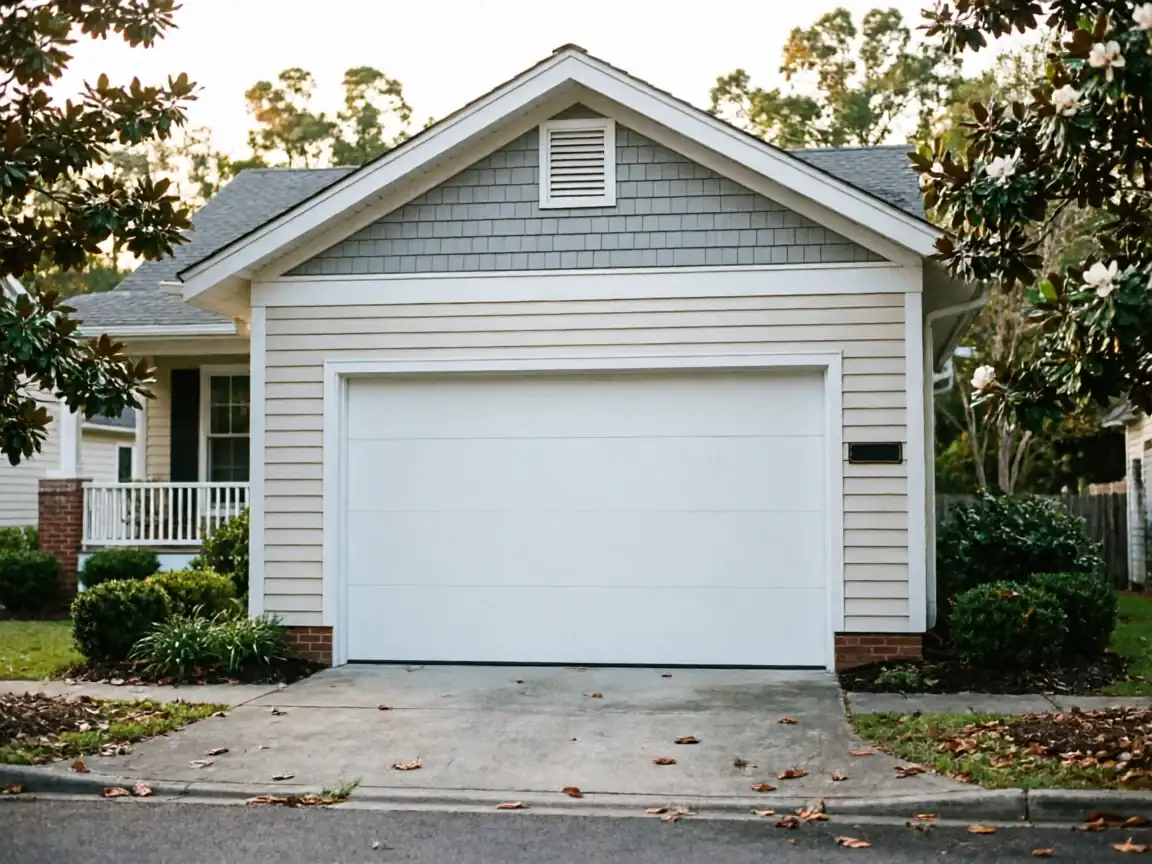
Hardeeville's housing stock is young compared to a lot of the Lowcountry - the area median build year sits around 2013, well inside the 1988-2013 range for the wider service area. That means the doors going up on most of these houses were already steel-faced, insulated, torsion-sprung units with factory photo-eye sensors, which became a federal requirement on residential openers back in 1993. You're not dealing with the single-spring, no-sensor hardware that trips up older neighborhoods. What actually fails on a door this age is more mundane: nylon rollers wearing out after a decade of cycles, weatherstripping going brittle, or the photo-eye sensors drifting out of alignment after a bump from a bike or a ladder. With roughly 4,672 households in this part of town, most running one or two cars through that door daily, the wear pattern is consistent - it's mechanical fatigue, not a hardware mismatch from an old build.
Booking a Visit
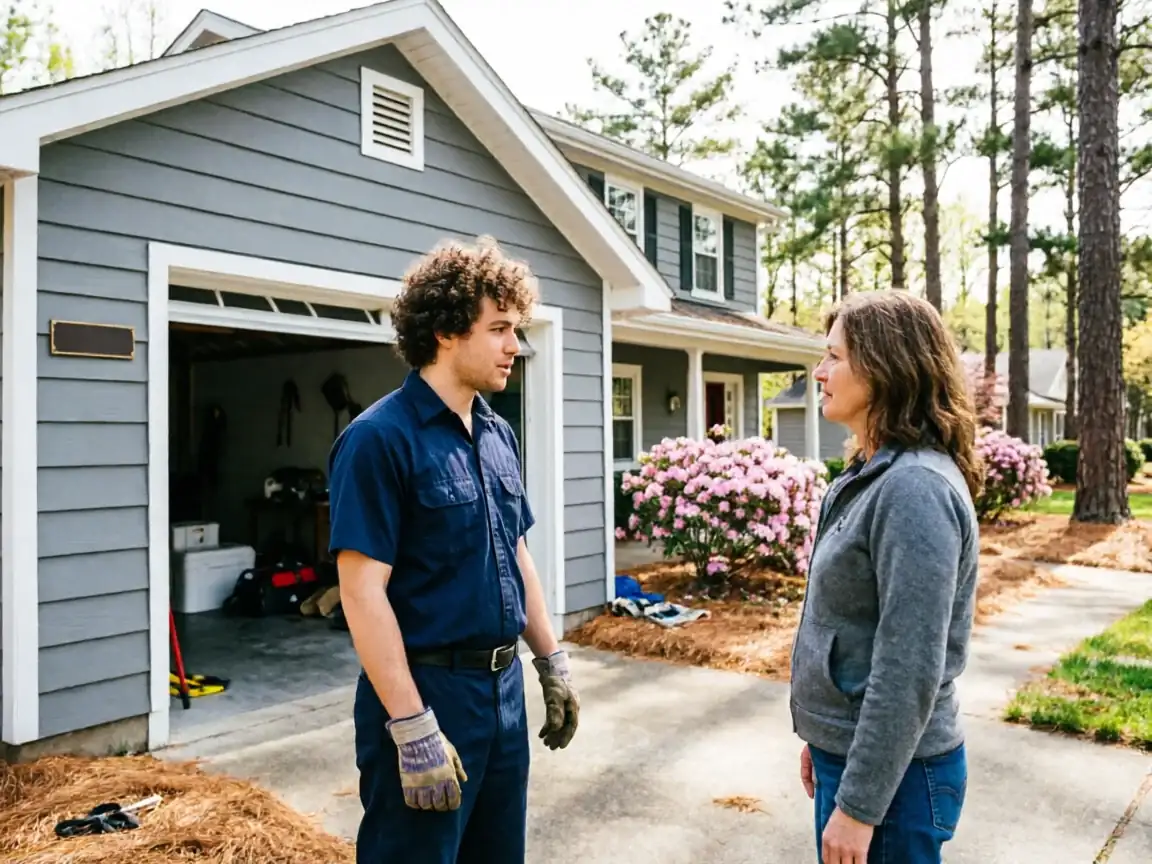
We run out of Bluffton, about 9 miles from Hardeeville, so we don't keep a branch or a truck staged here - we drive in for the job. That distance doesn't change what we bring or how we work, but it does mean we schedule the visit rather than showing up on a walk-in basis. Call ahead, tell us what the door is doing, and we'll bring the parts that match a 2013-era torsion setup rather than guessing and making a second trip. If you want more on how we cover this side of the service area, our Hardeeville garage doors page has the rundown, and our Bluffton service page covers the full list of what we do.
What the Repair Takes
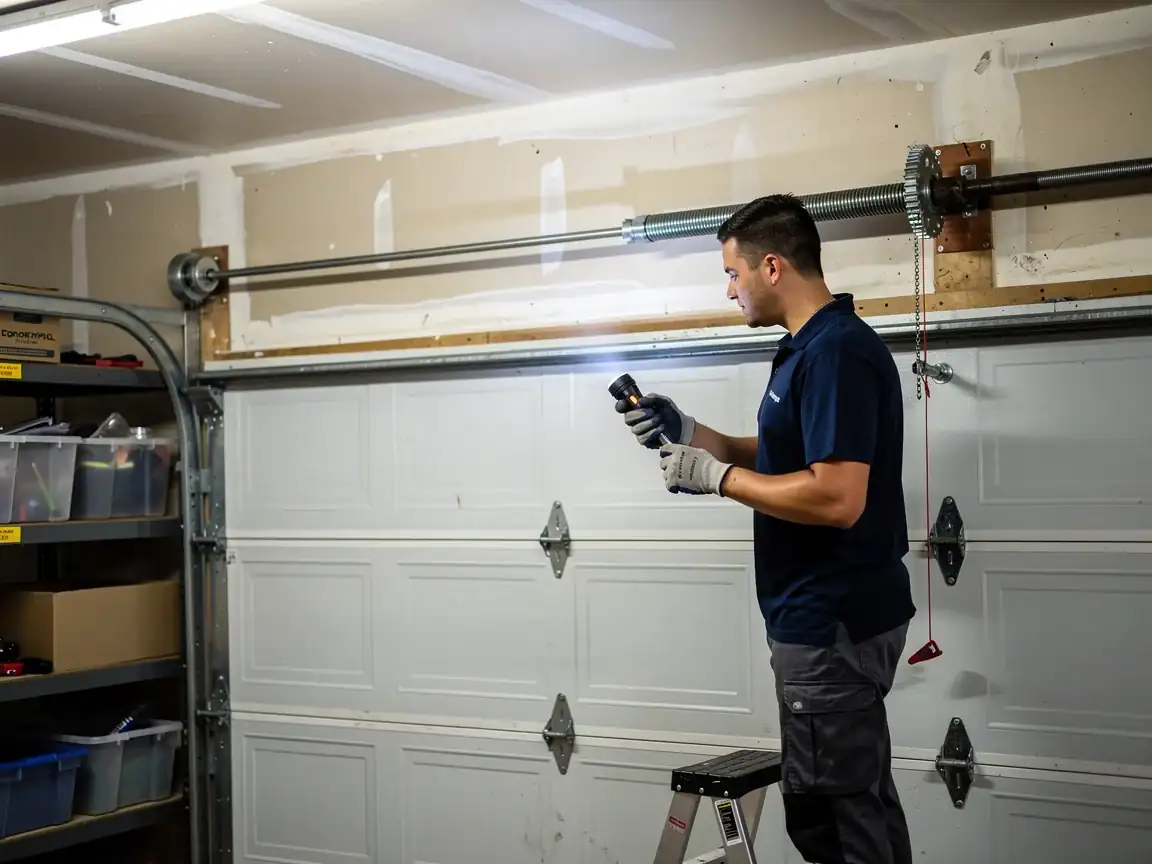
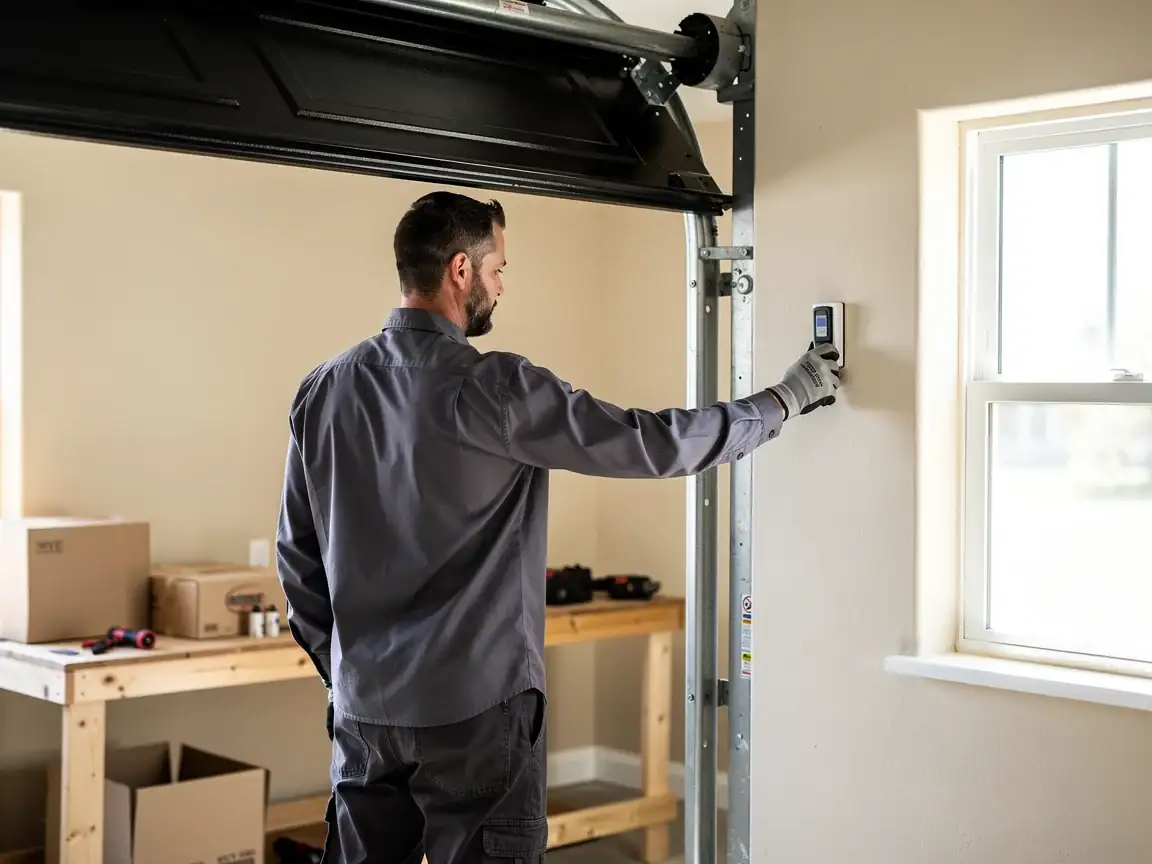
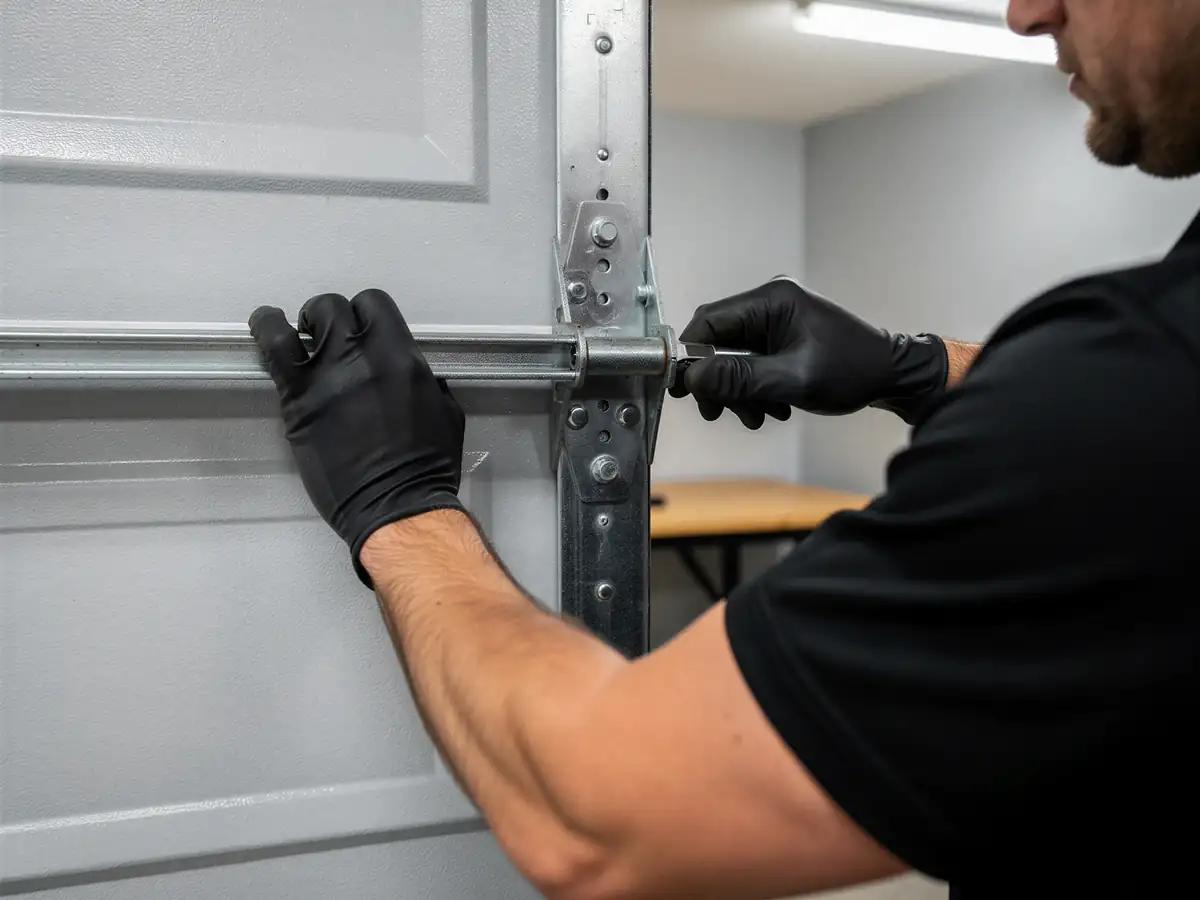
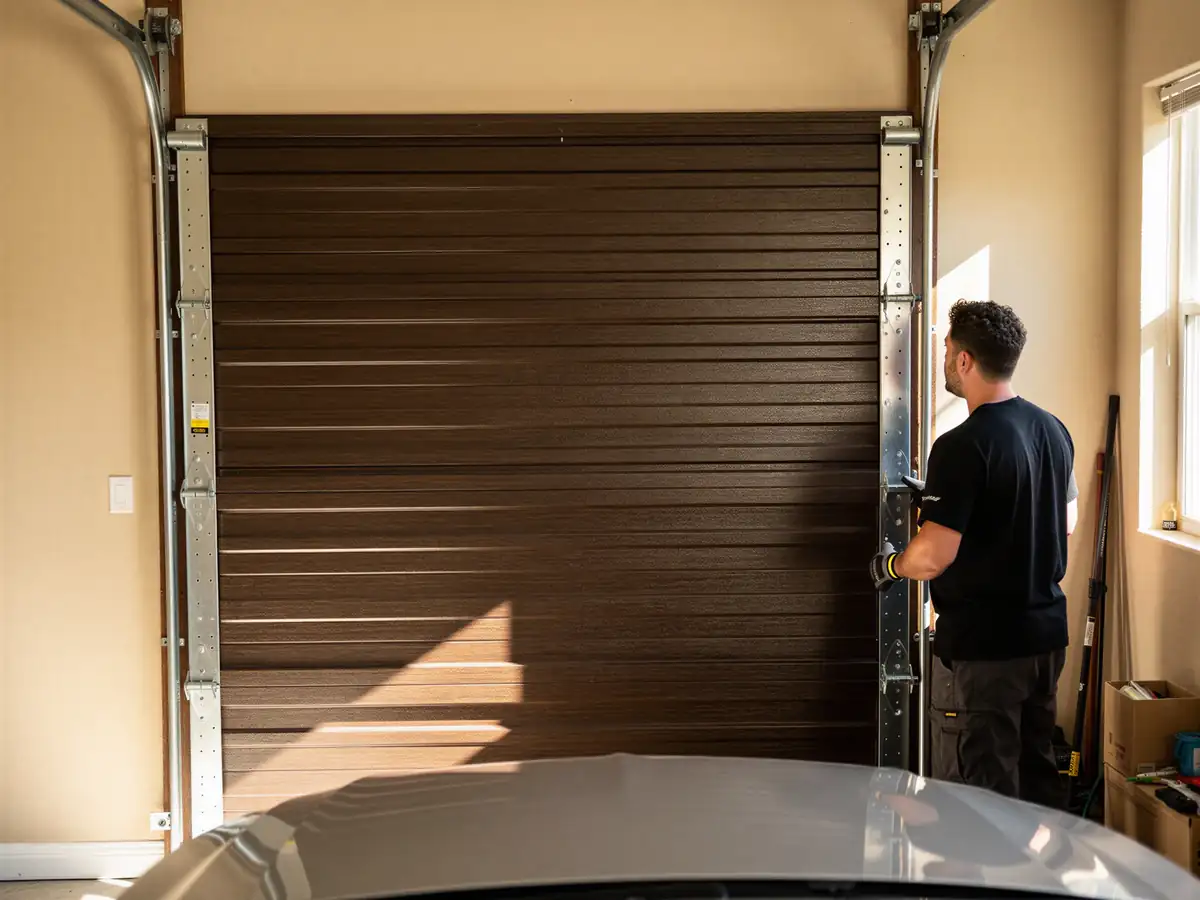
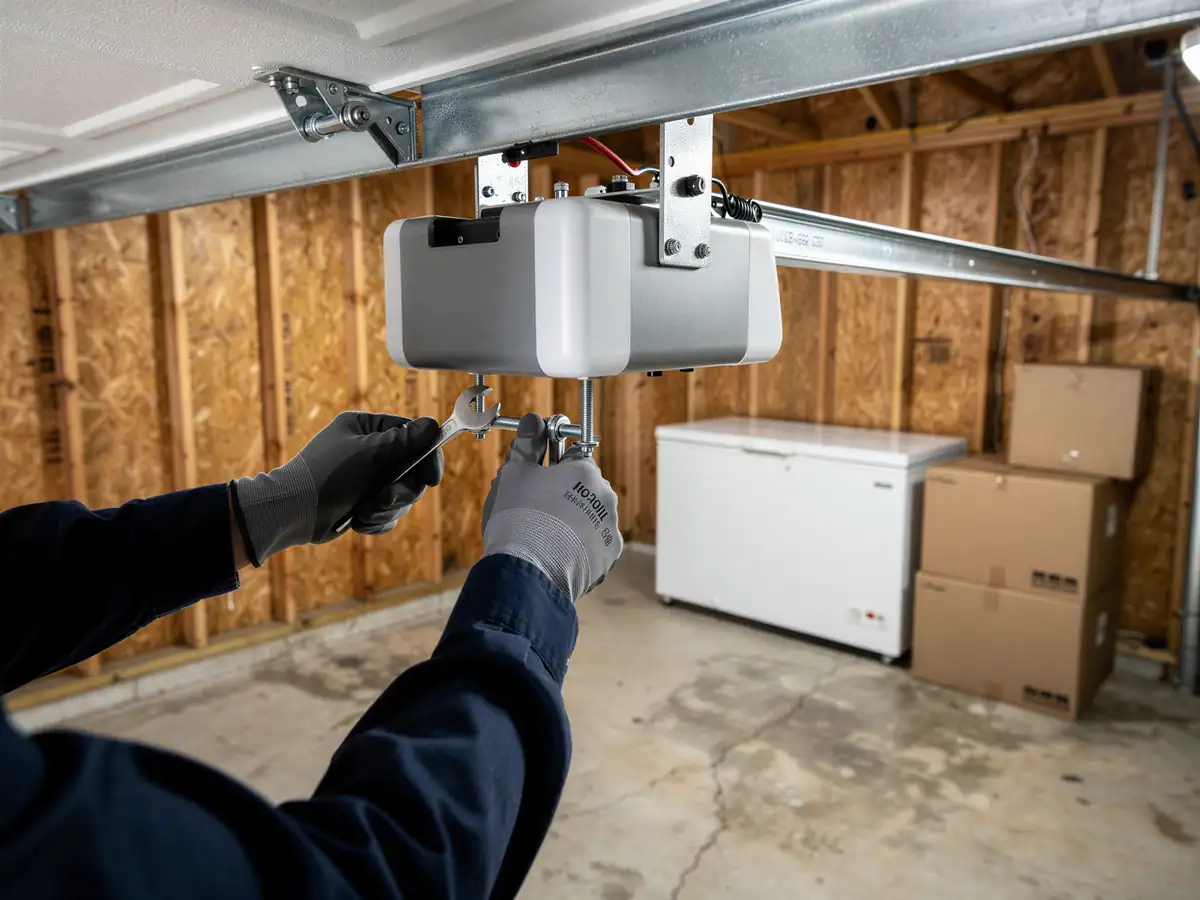
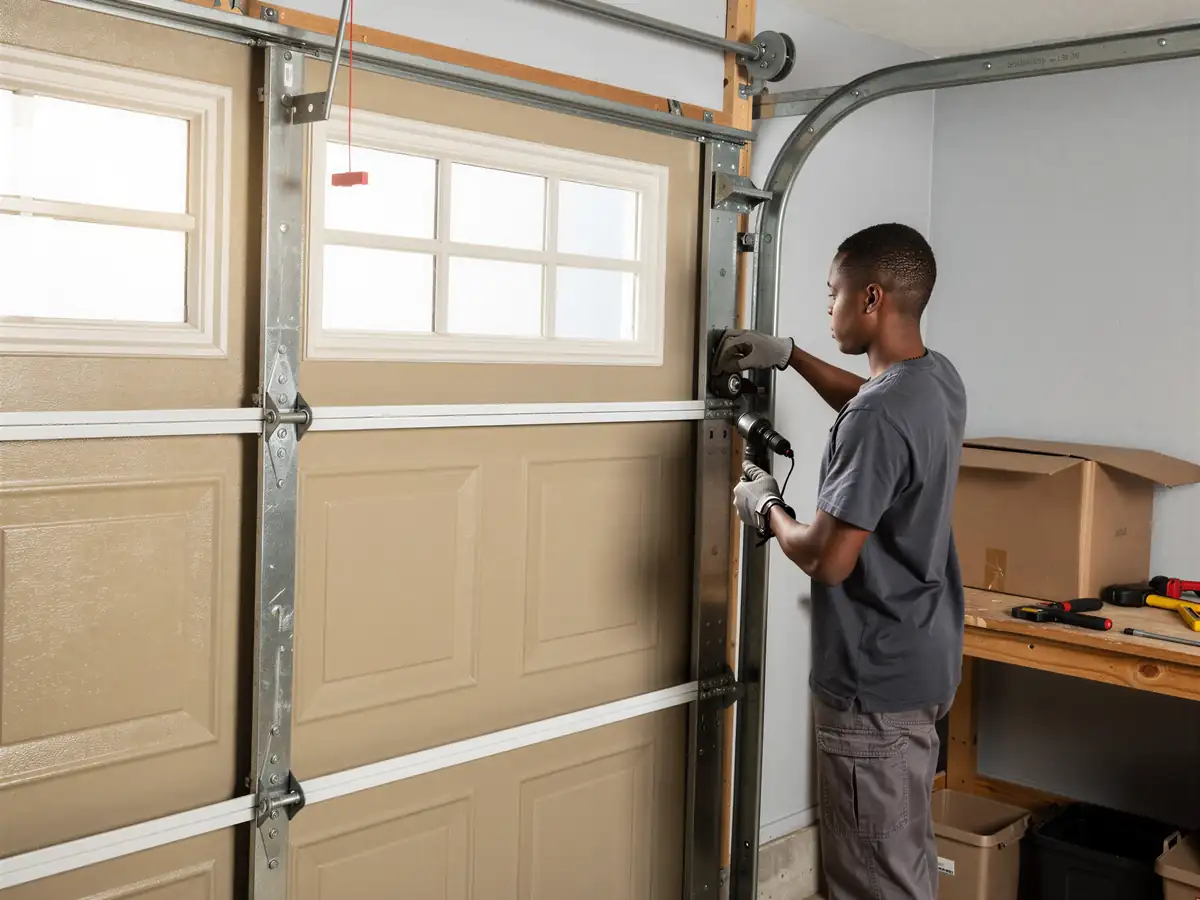
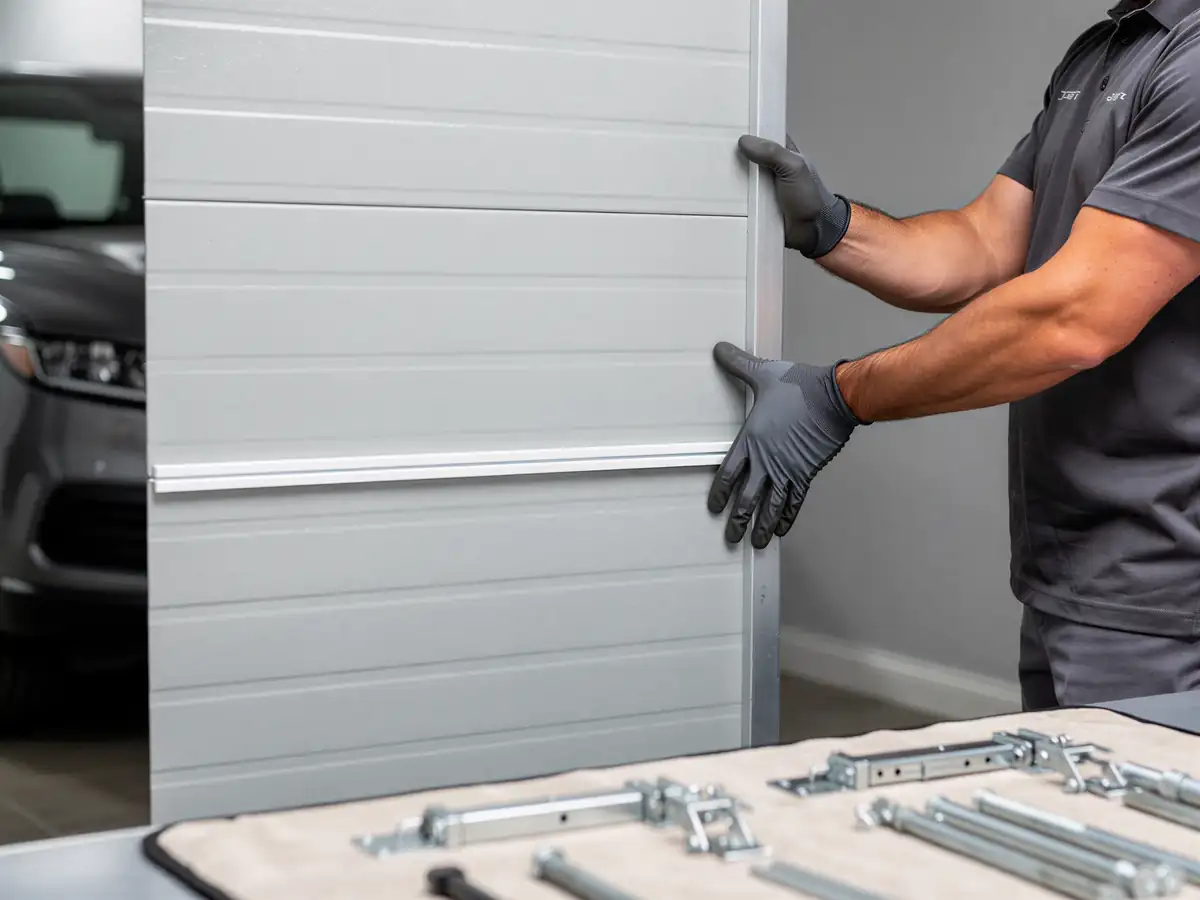
Most jobs on a 2013-era door are a parts swap, not a rebuild: a torsion spring, a set of rollers, a photo-eye realignment, or a cable. Because the opener and track hardware from this period are still in common production, we're not waiting on a special-order part the way we sometimes do on a door from the 1970s or 80s. That keeps the job to one visit in most cases. Where we draw the line is when the track itself is bent from an impact - a car backing into it, usually - because a bent track can look fixable but keeps throwing the door off after a temporary straightening. At that point replacing the track section costs less over time than repeated adjustment calls, and we'll tell you that straight instead of billing you for a patch that won't hold.