What Can Go Wrong
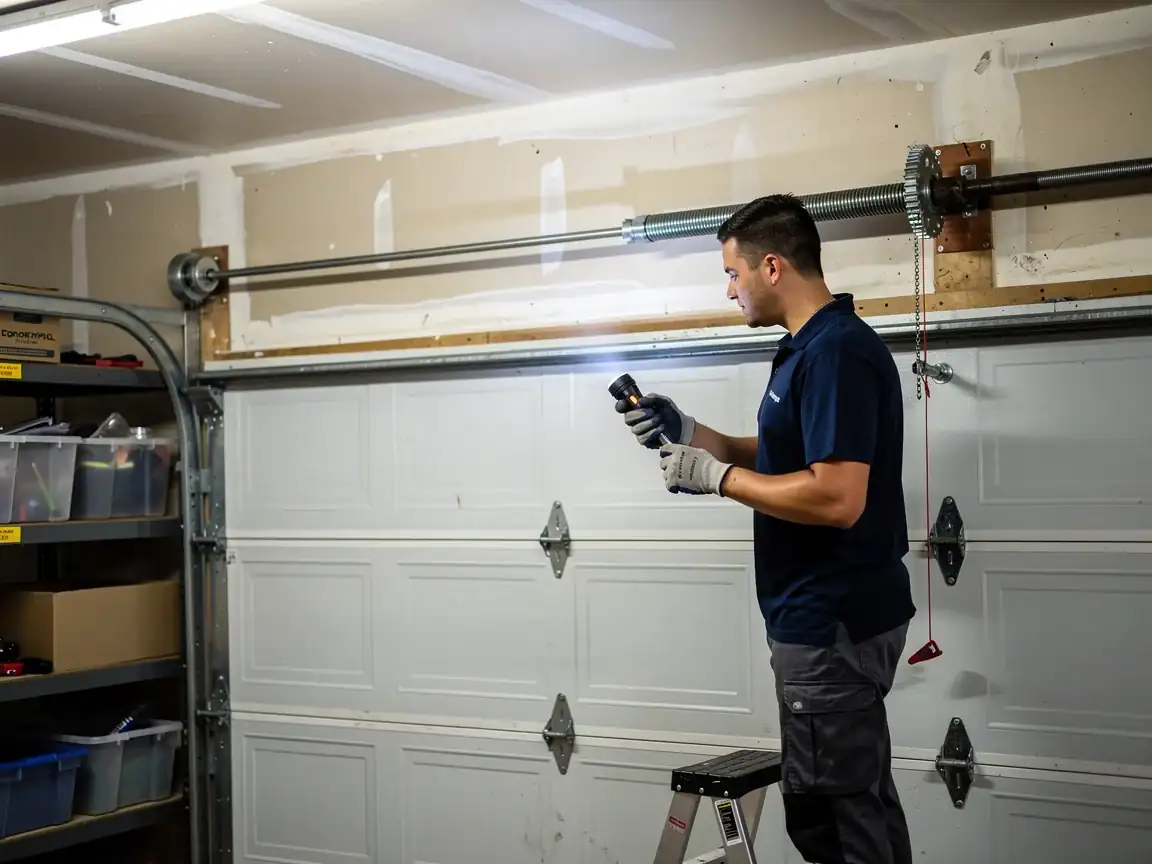
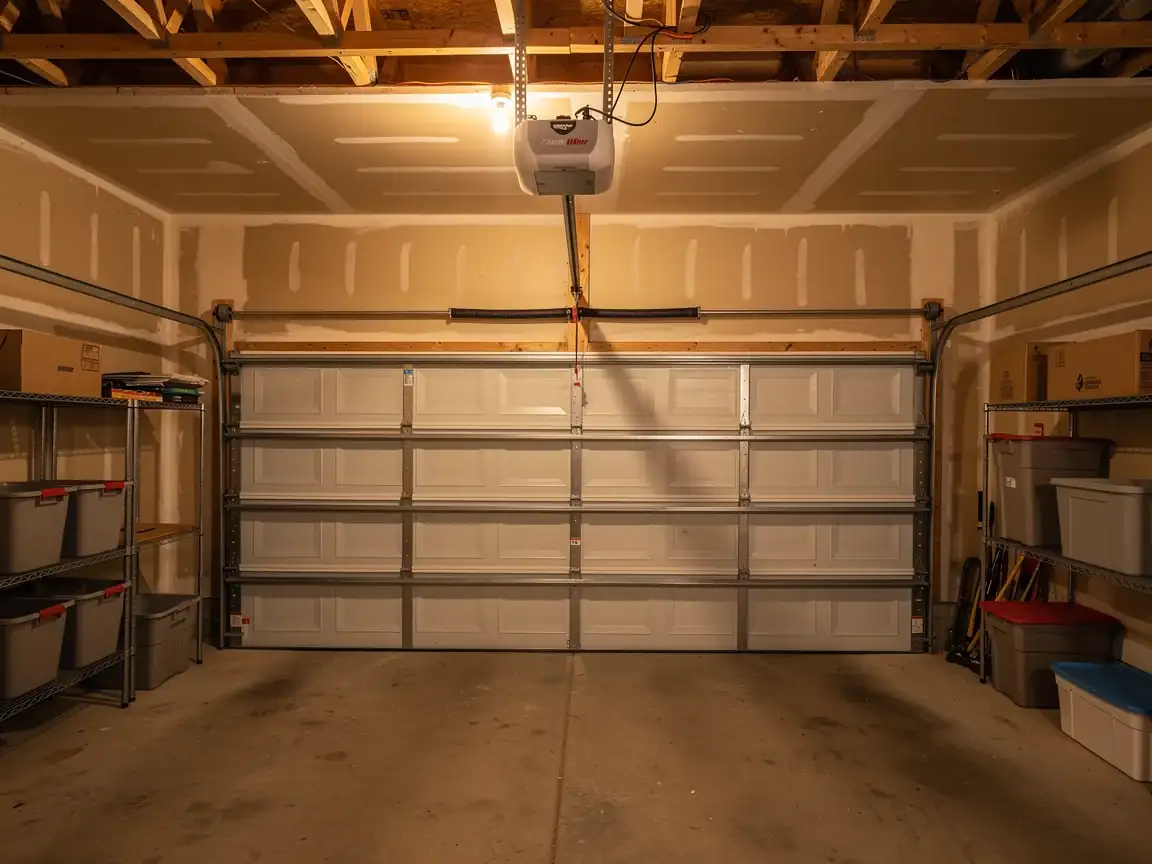
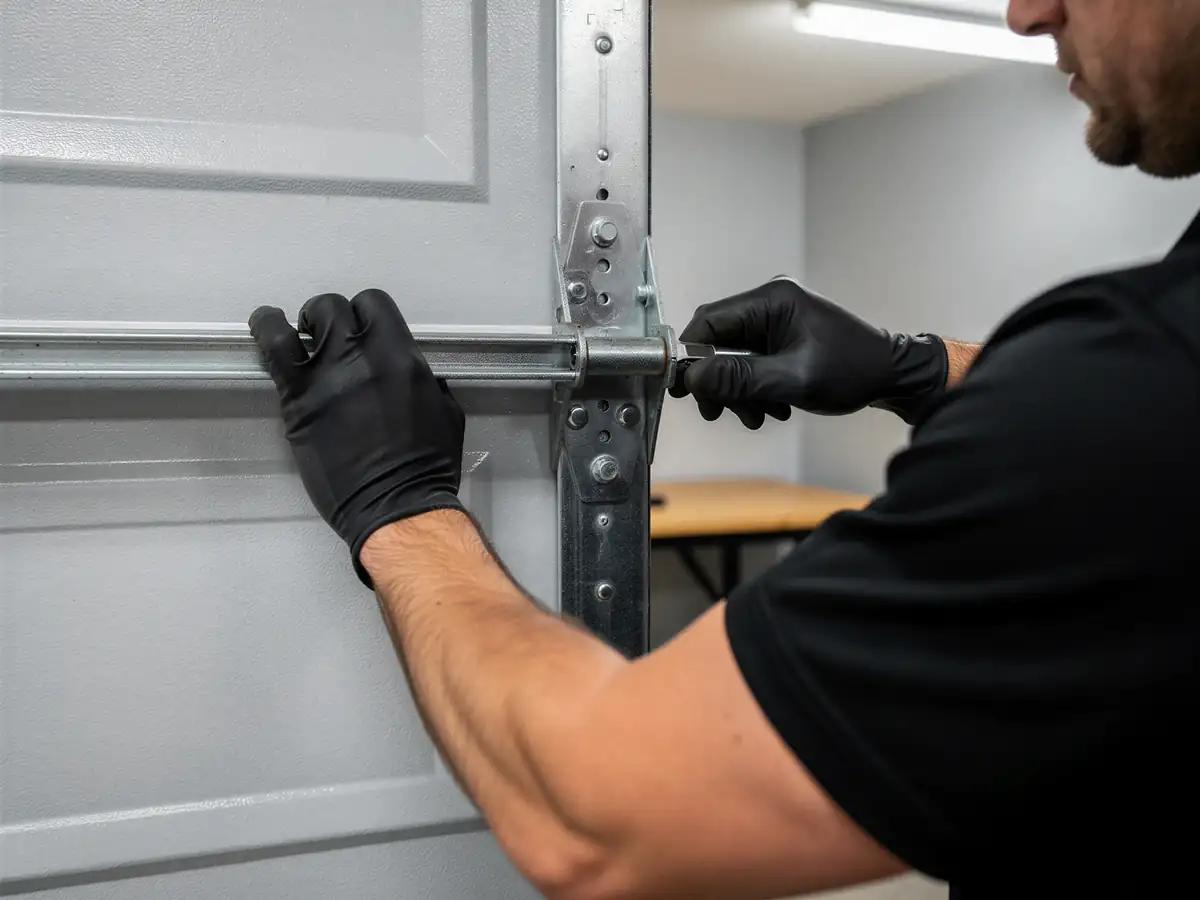
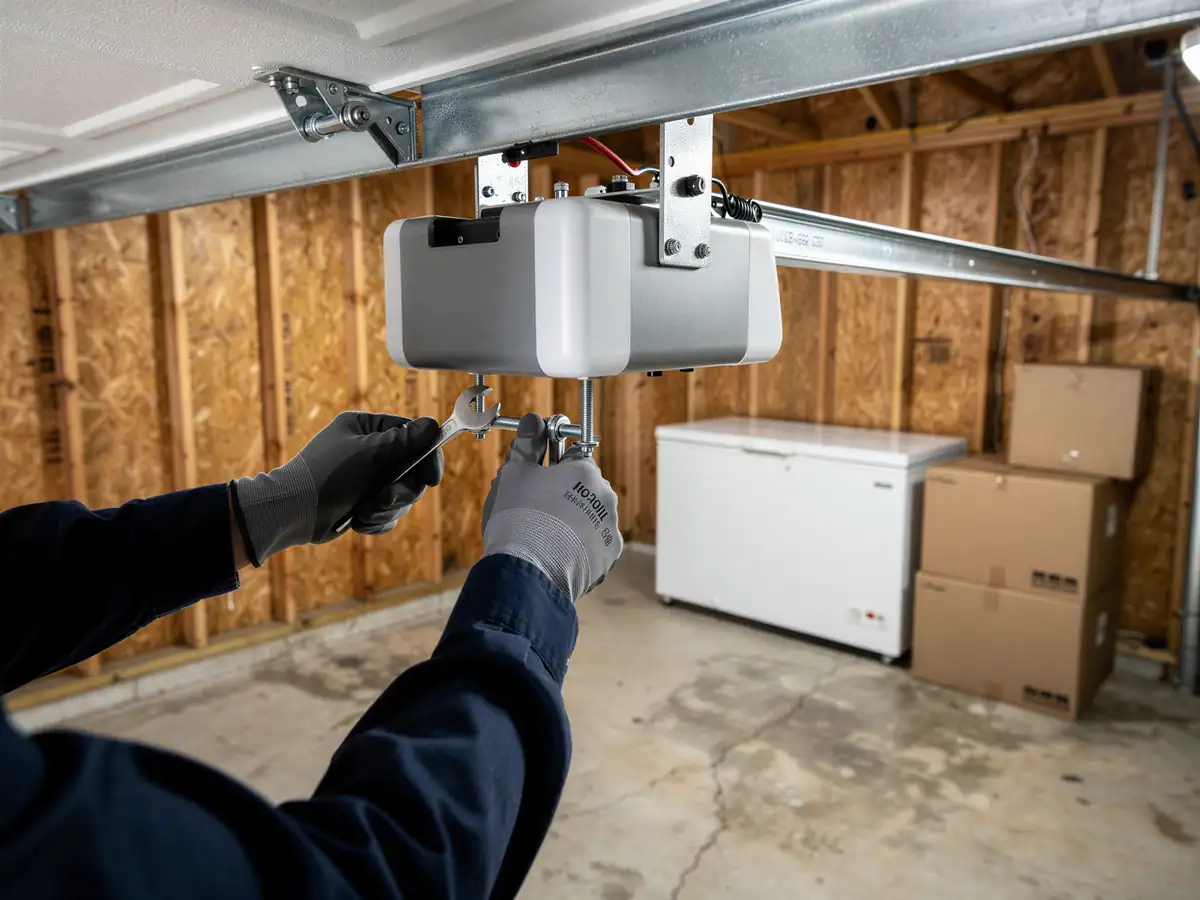
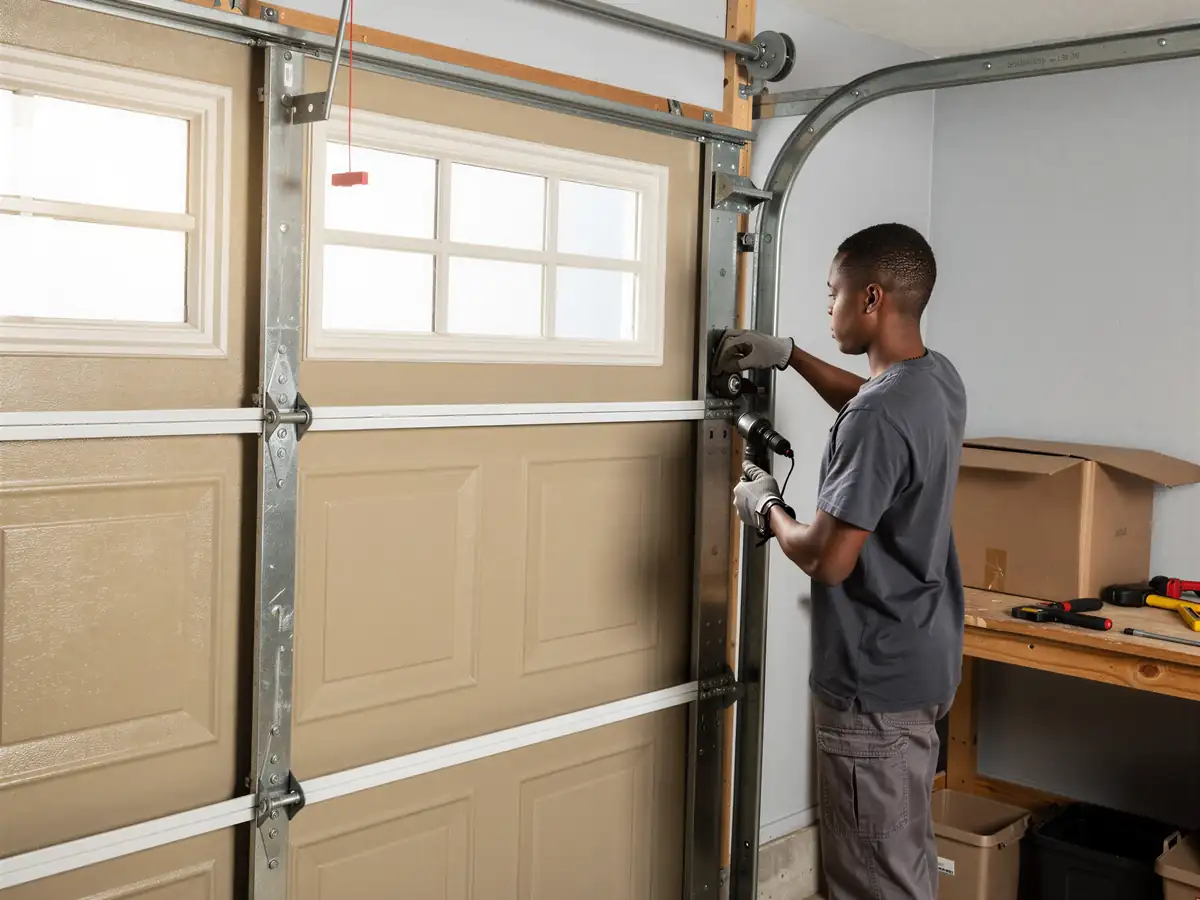
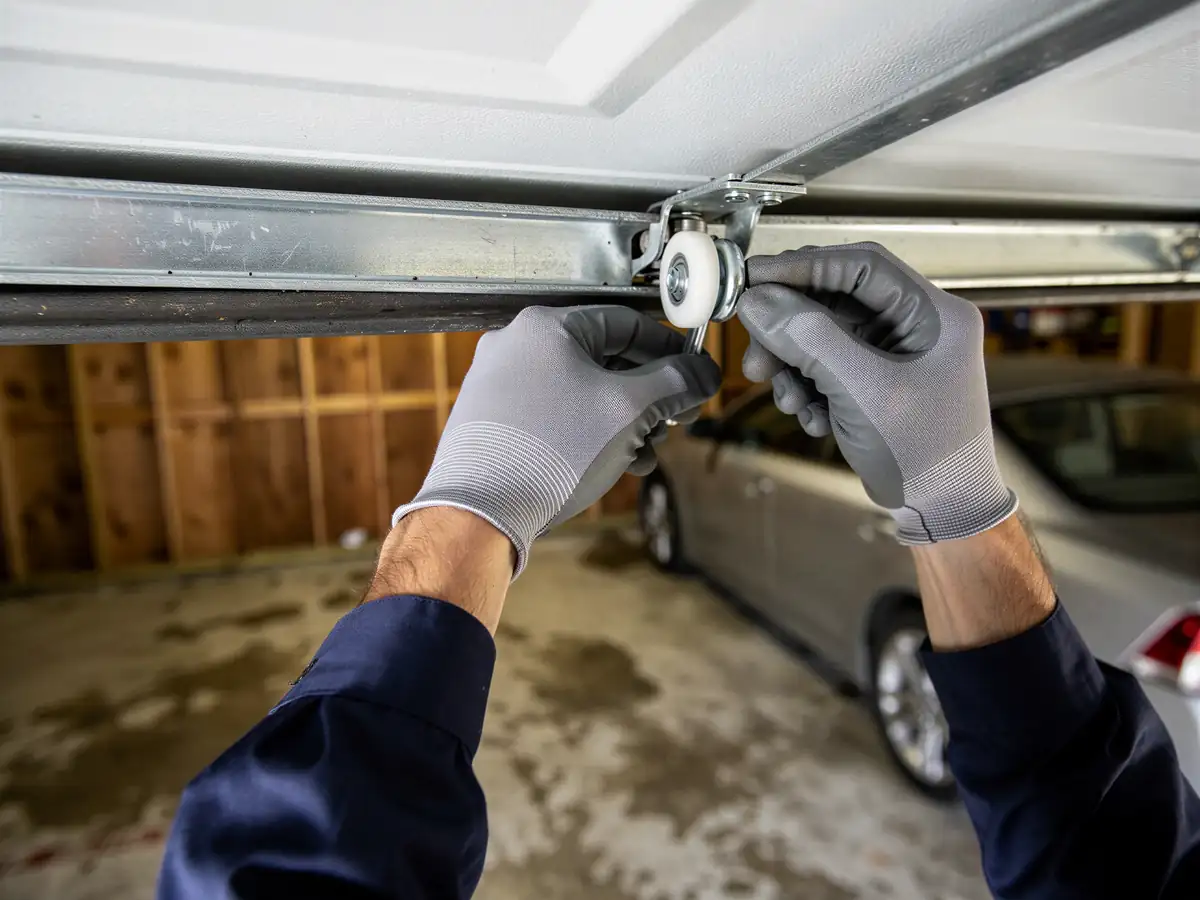
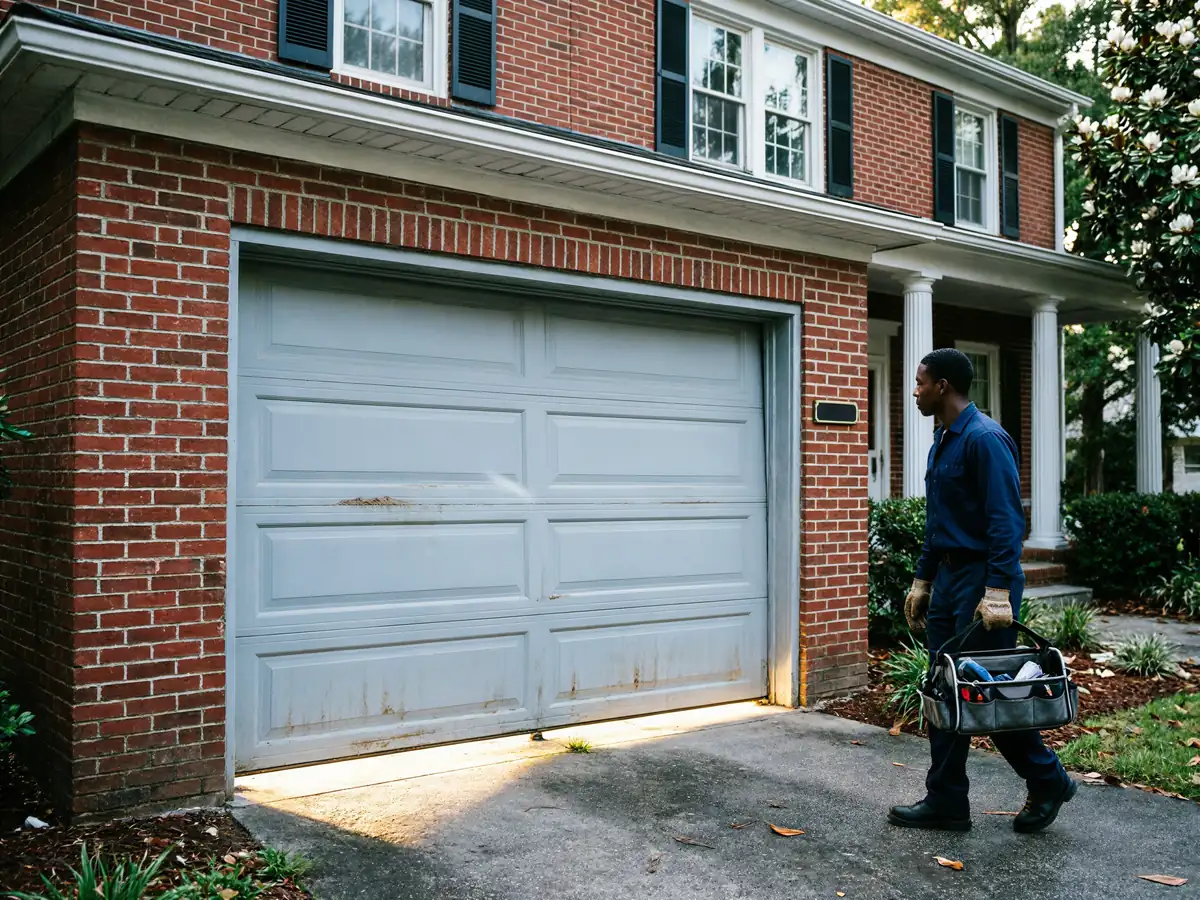
Even a 2008-era door wears the same way any door does: springs fatigue on a cycle count, not a calendar, and daily use adds up whether the house is new or old. The common failure here is a torsion spring that's done its roughly 10,000 cycles, a bottom roller worn from the mild, humid climate this area sits in, or a safety sensor knocked out of alignment. With F3's mild-with-occasional-freeze climate, you don't get the thermal swings that crack panels in colder regions, but you do get humidity working on unsealed cables and hardware over the years. Openers in homes this age are usually chain or belt drive units nearing the point where the drive gear or circuit board - not the motor - is the actual point of failure. We don't see much of the older side-mounted or one-piece door trouble that shows up in pre-1990s neighborhoods, because that stock largely isn't here.
The Cost of This Job
We don't publish a flat price for every job because spring size, door weight, and opener model all move the number, and we haven't been given a fixed rate to quote here. What we can say: newer, standard-dimension doors like the ones common in Port Royal tend to use off-the-shelf parts, which keeps the job from running long on sourcing. A household income here that runs a bit above the wider area's $68,085 median doesn't change what we charge - it's not a factor we build into a quote. We price the part and the labor, not the ZIP code.
How Long It Takes
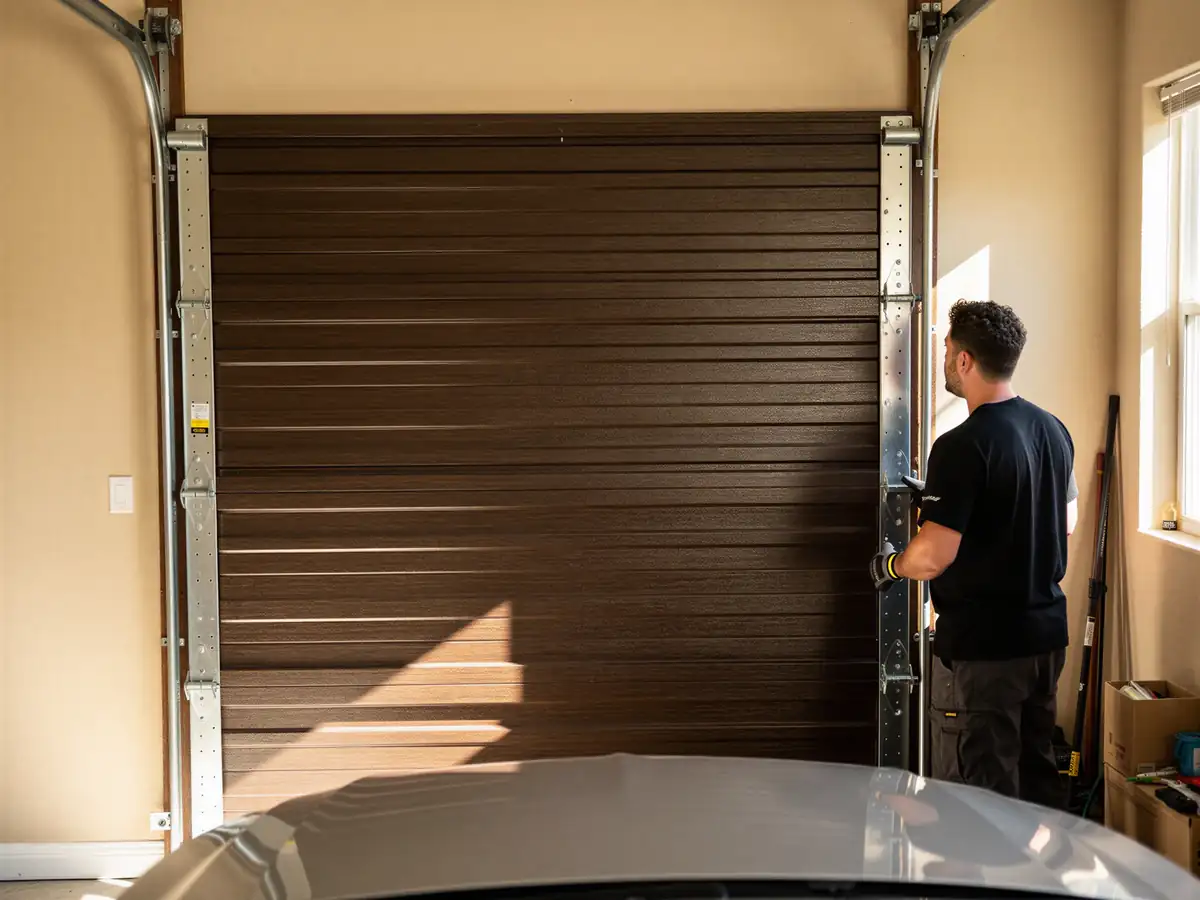
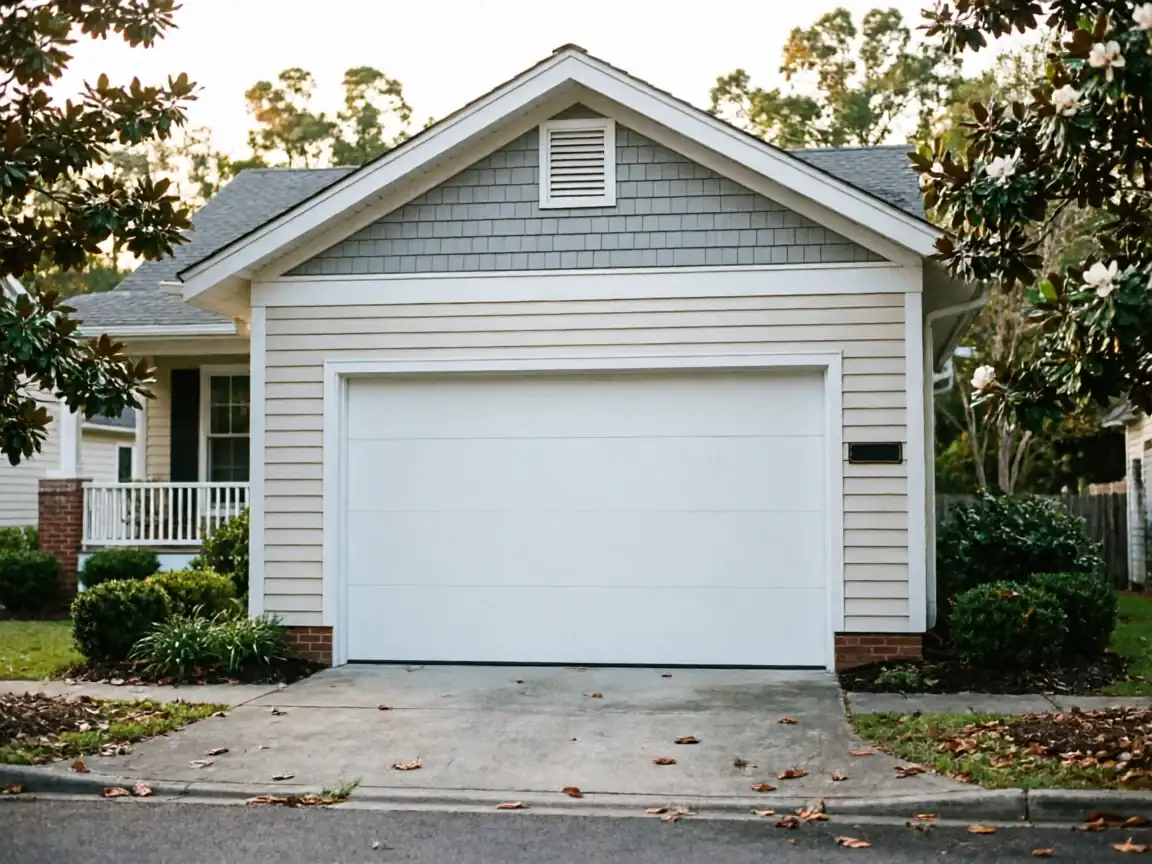
Most single-door jobs - a spring, a cable, an opener board - run under two hours once we're on site, since Port Royal's newer stock doesn't usually hide surprises behind a panel the way older retrofitted doors do. The bigger variable is the 17-mile trip out from Bluffton: we schedule around that distance rather than promise a same-hour arrival, and we'd rather give you an honest window than a number we can't hold to.