What the Repair Takes
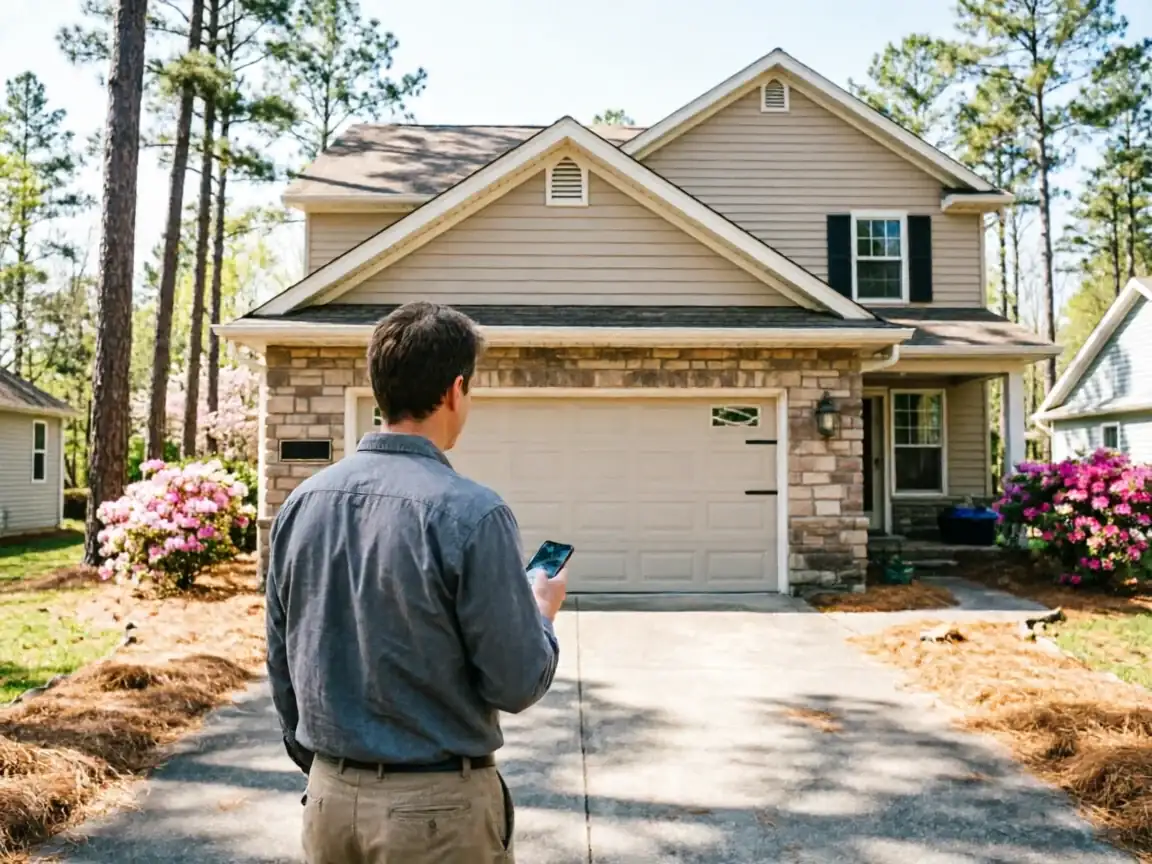
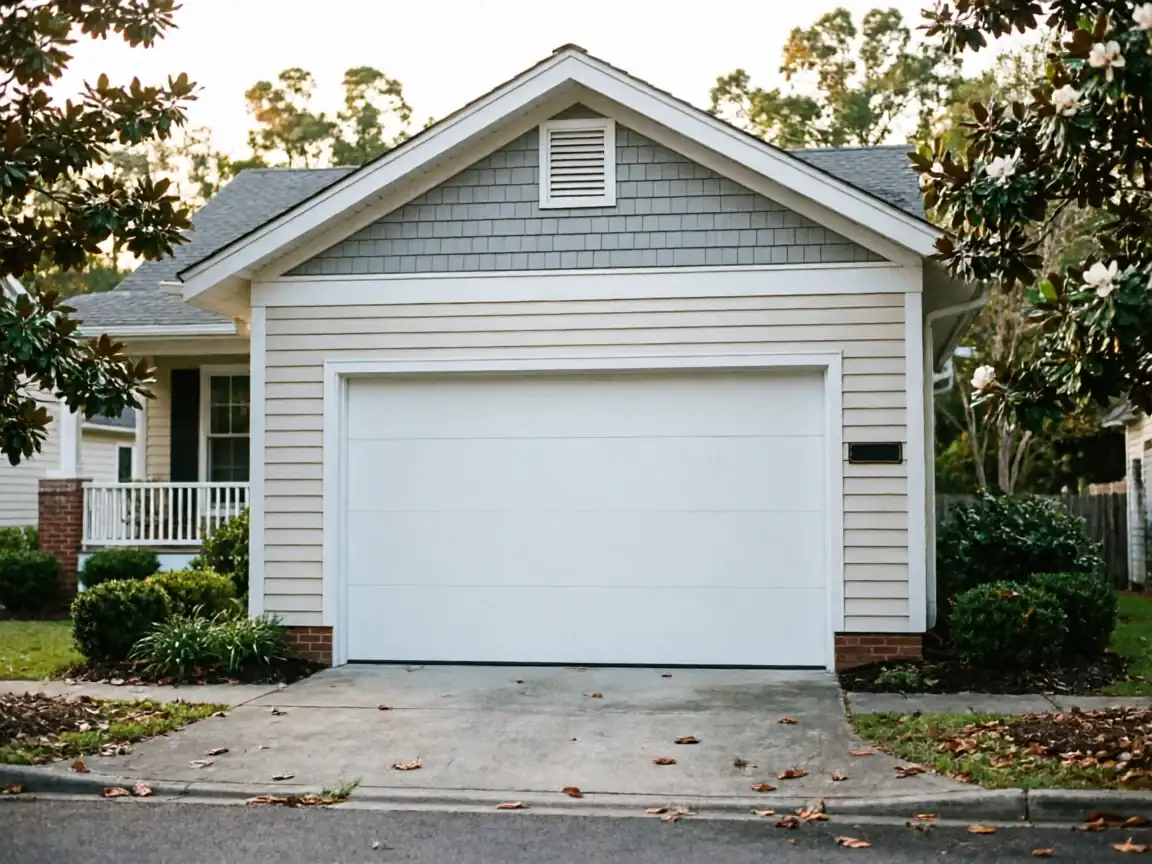
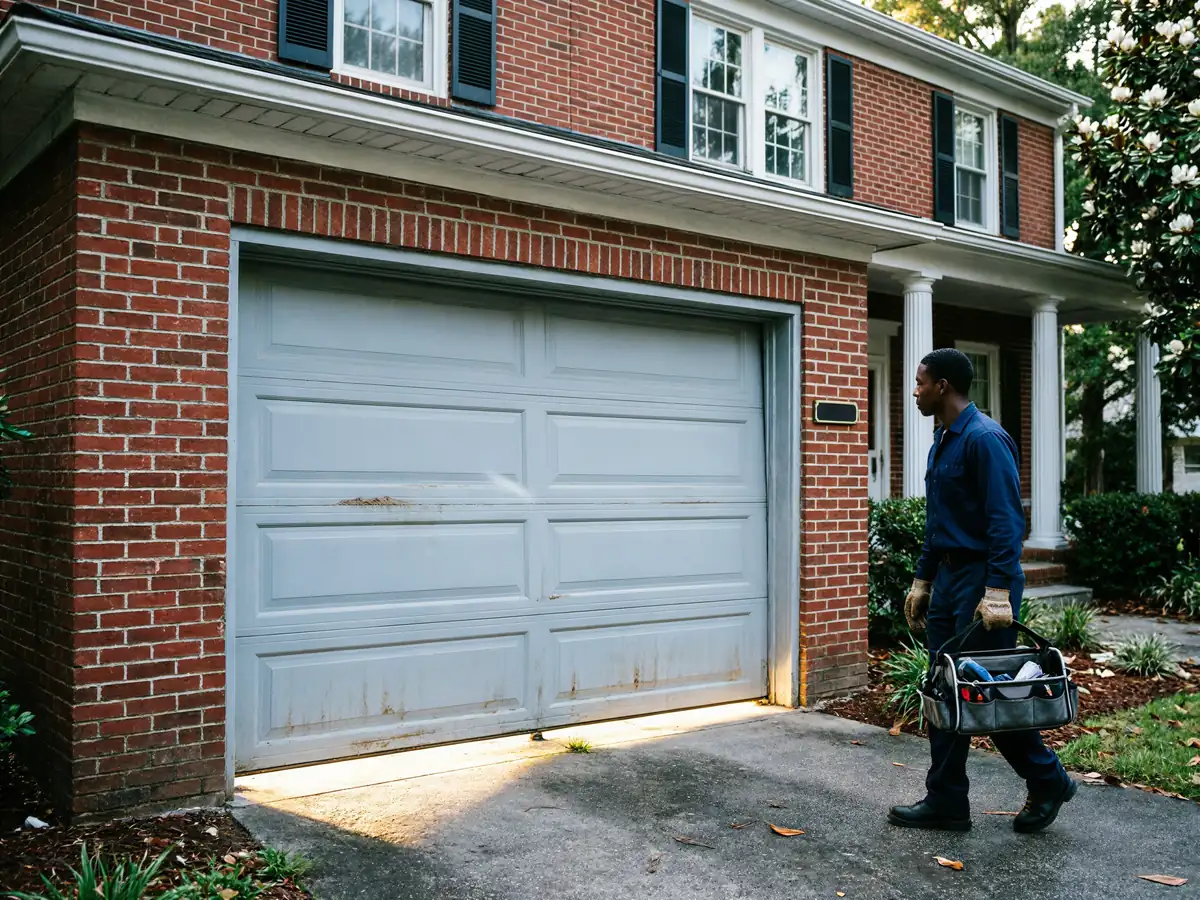
Most houses in Port Royal went up after 2008
Which puts this area well past the 1988-2013 build-out that covers most of the rest of the territory this company runs. That matters for an opener job because the safety gear that older homes need retrofitted - photo-eye sensors, auto-reverse logic, a dedicated outlet near the header - usually came standard here from day one. So the install is less about adding things the garage never had and more about matching a new opener to a door and track that were already built to a newer code.
On a typical double-car door from that era
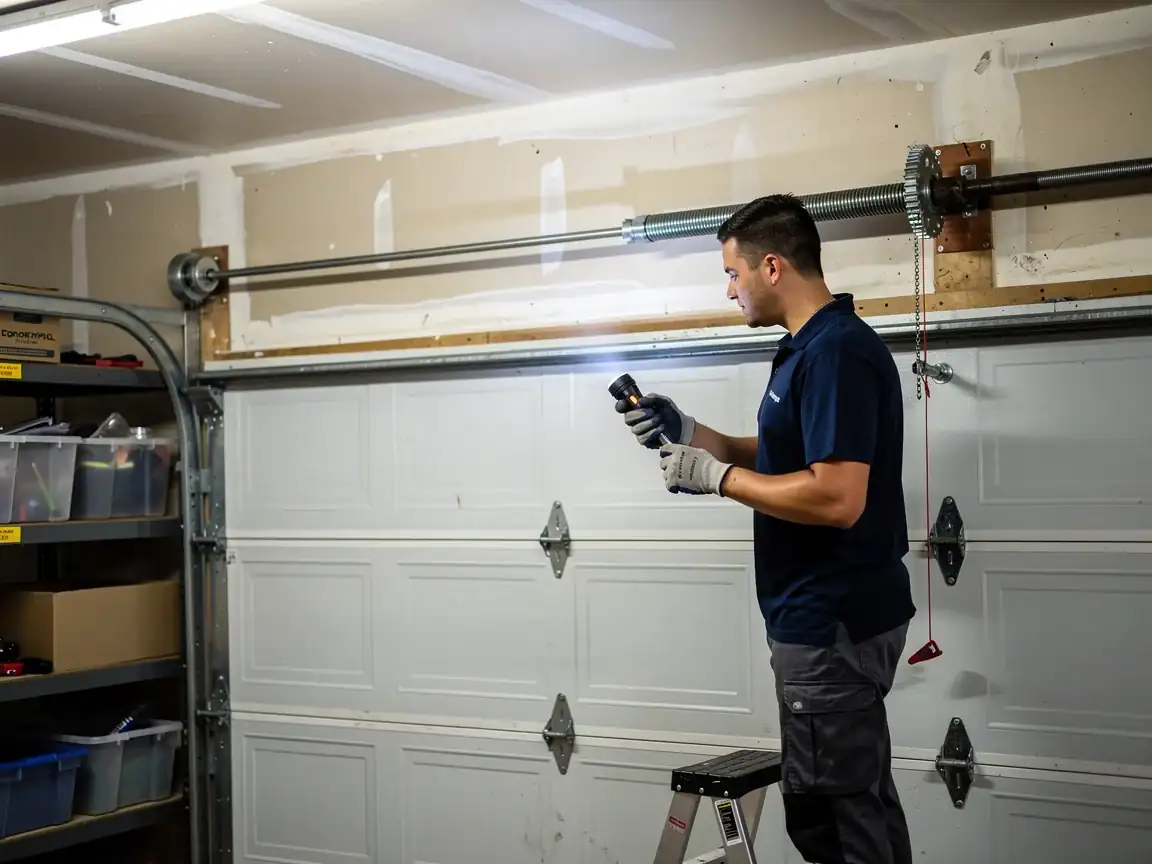
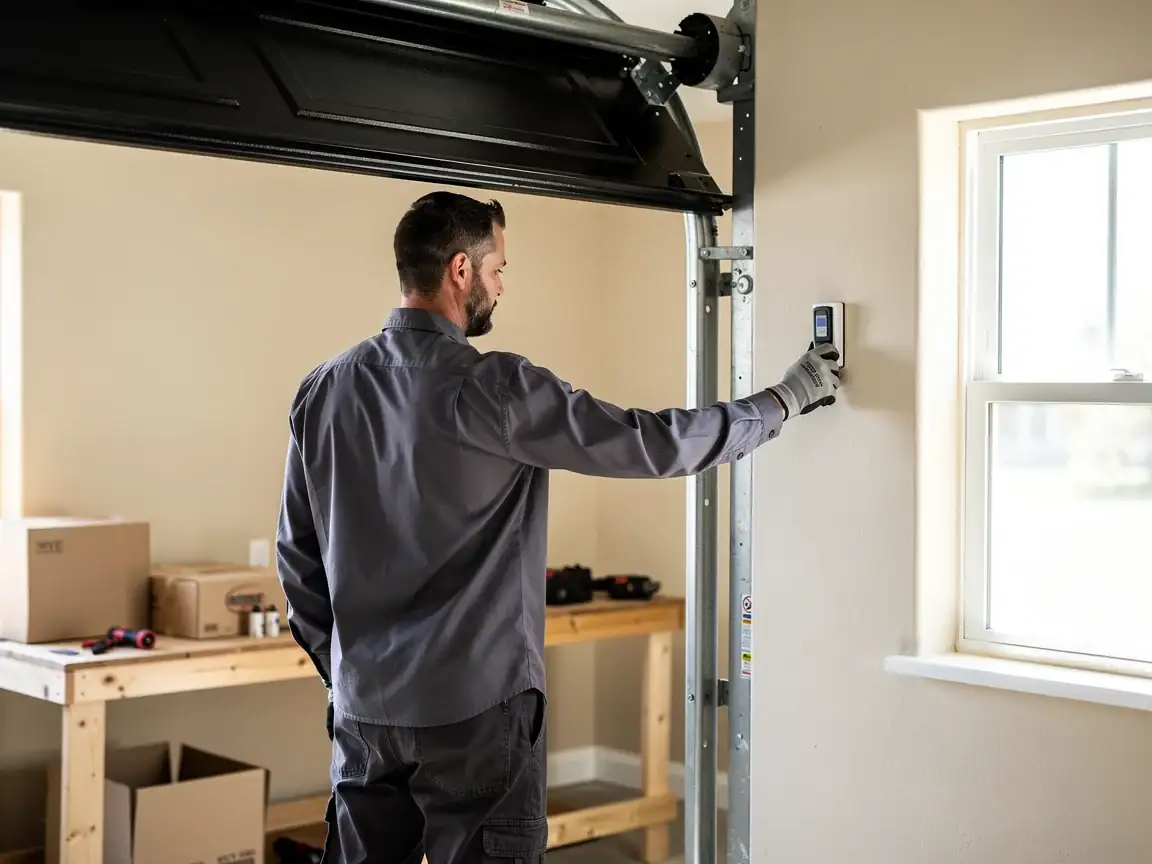
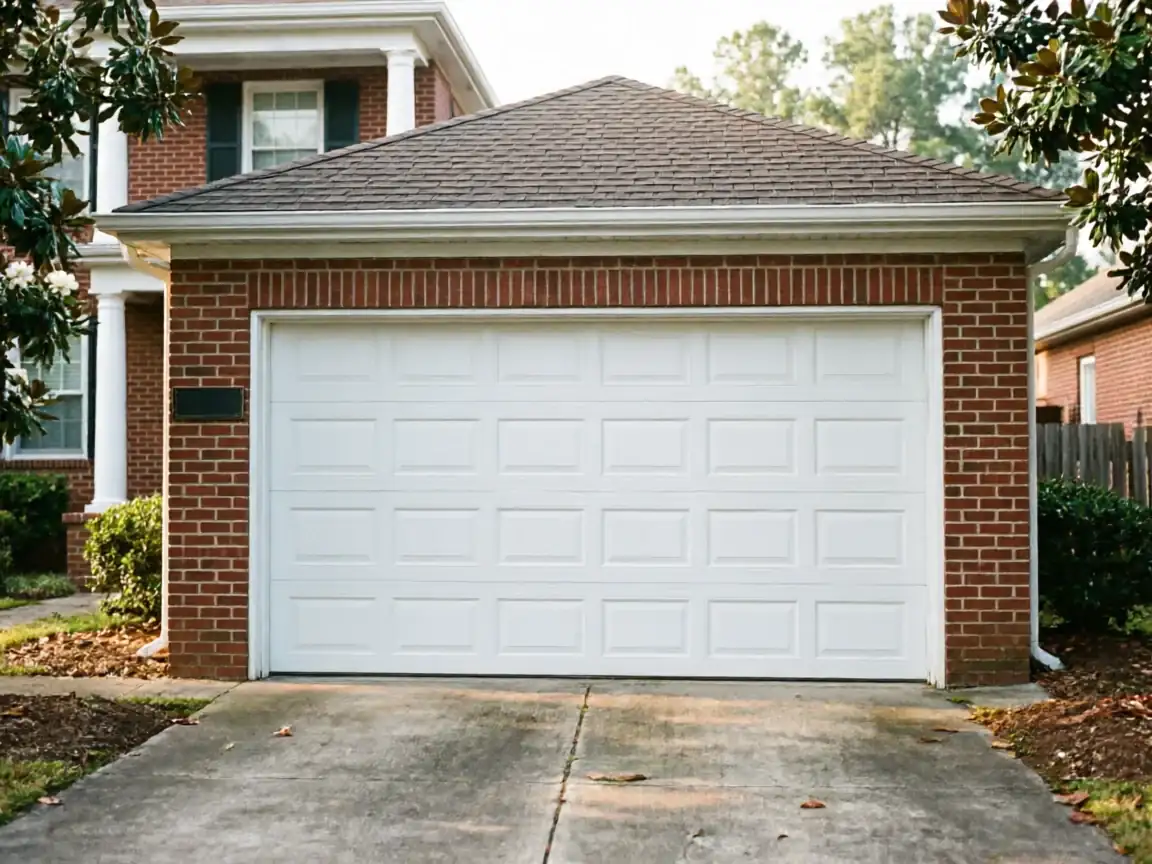
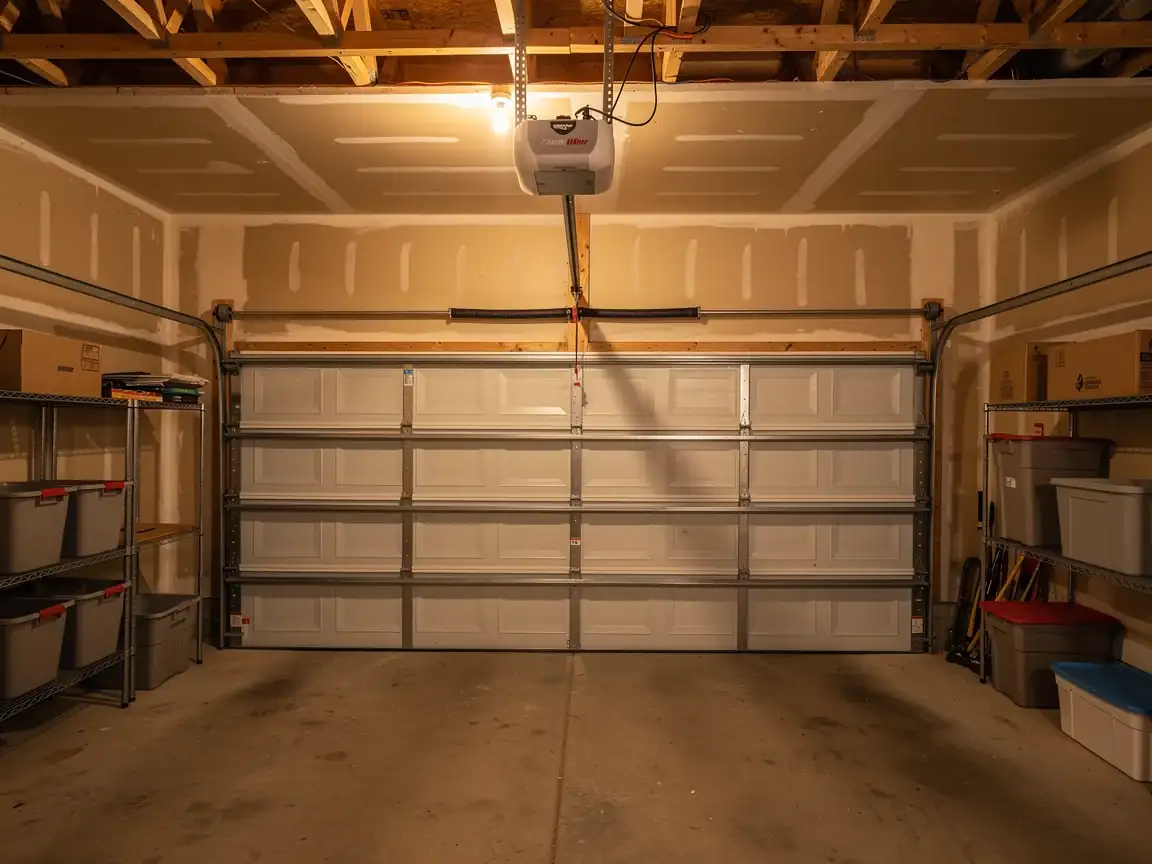
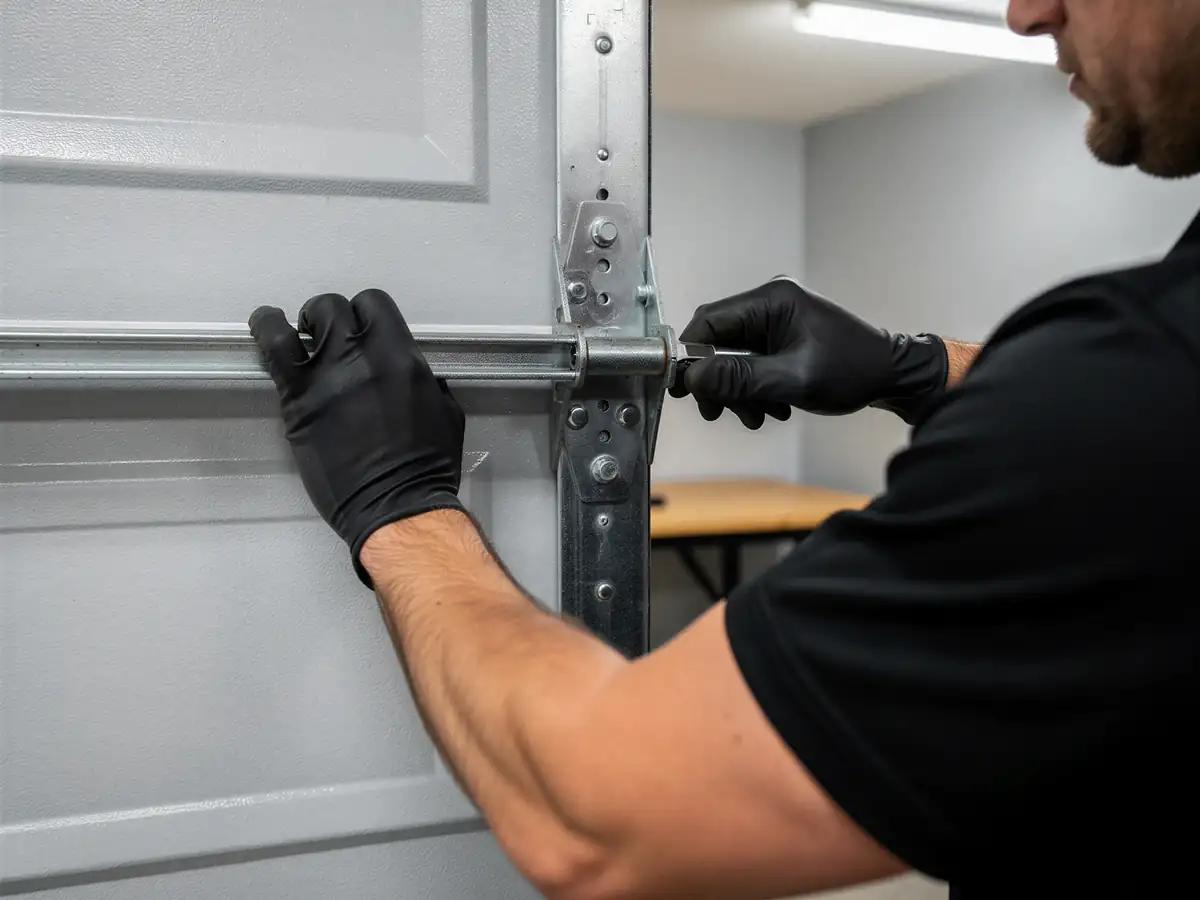
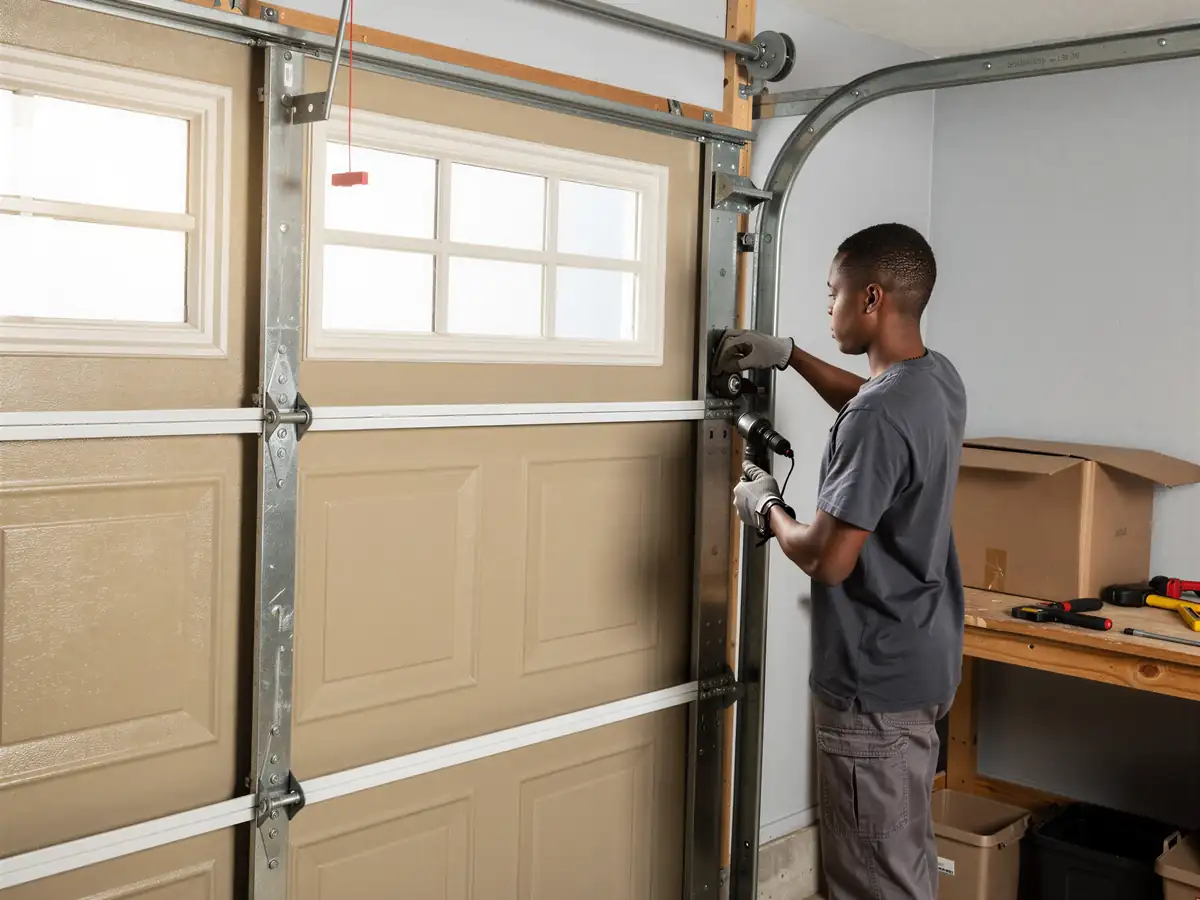
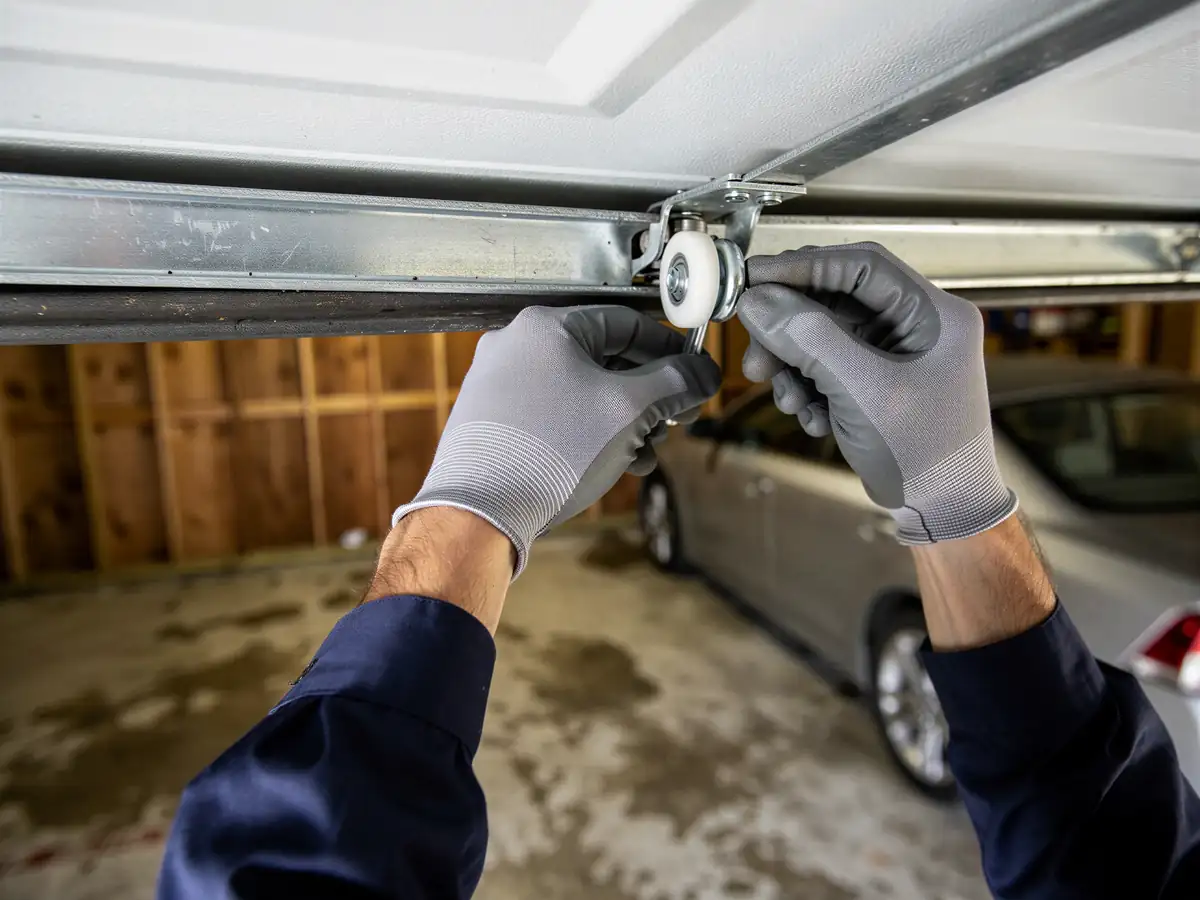
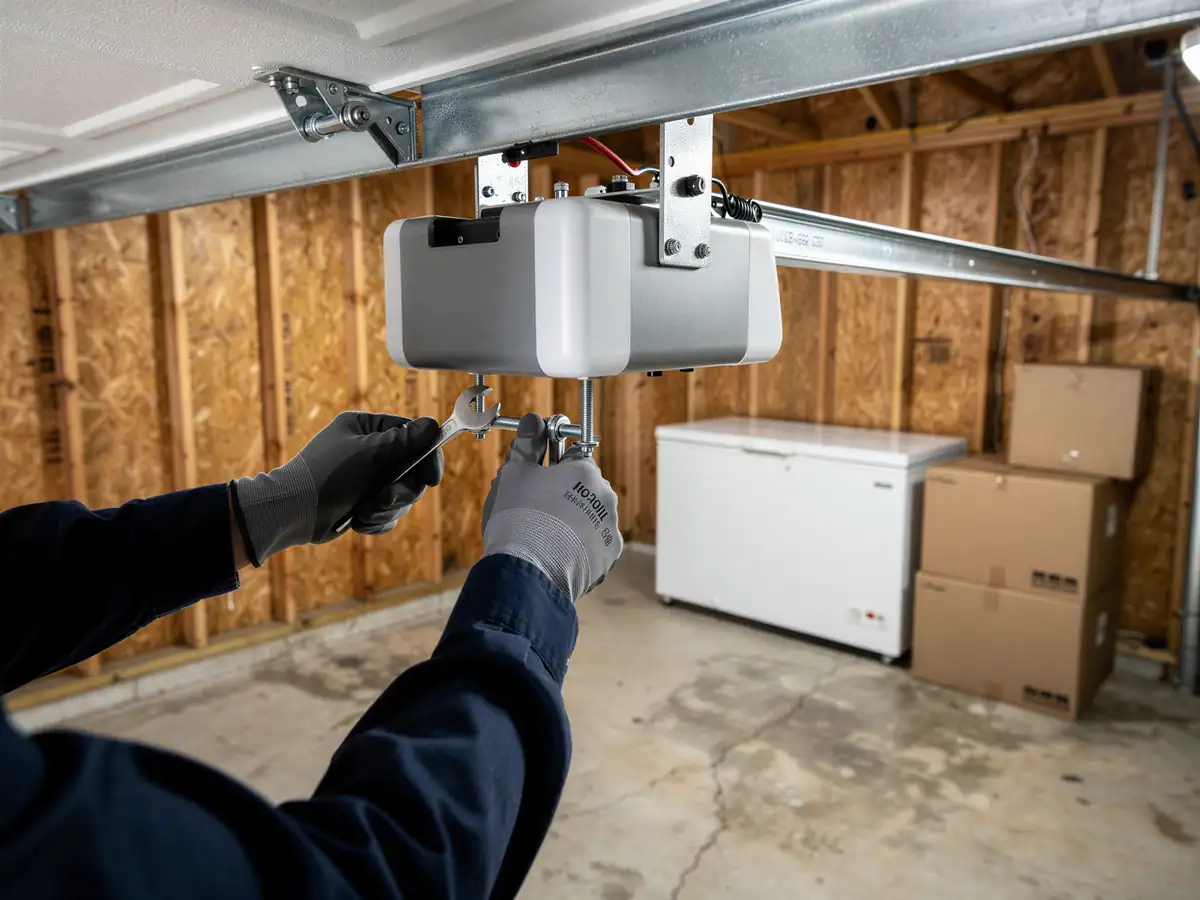
The torsion spring setup is already sized for a sectional insulated door, so the work is mostly mechanical: mount the rail, set the up and down travel limits, pair the remote and wall control, align the sensors low on the track, and run the force-reversal test with a block under the door edge. Where the ceiling outlet already exists, that saves a step. Where it doesn't - which still happens even in newer construction - running power becomes part of the job rather than something tacked on after.
What Can Go Wrong
The openers going into garages during the 2000s building wave are now old enough that logic boards drift, chain drives stretch and start skipping teeth, and belt drives develop a slap you can hear from the driveway. None of that is a sign the house did anything wrong - it's just the part reaching the end of its service life on a schedule that has nothing to do with the door itself.
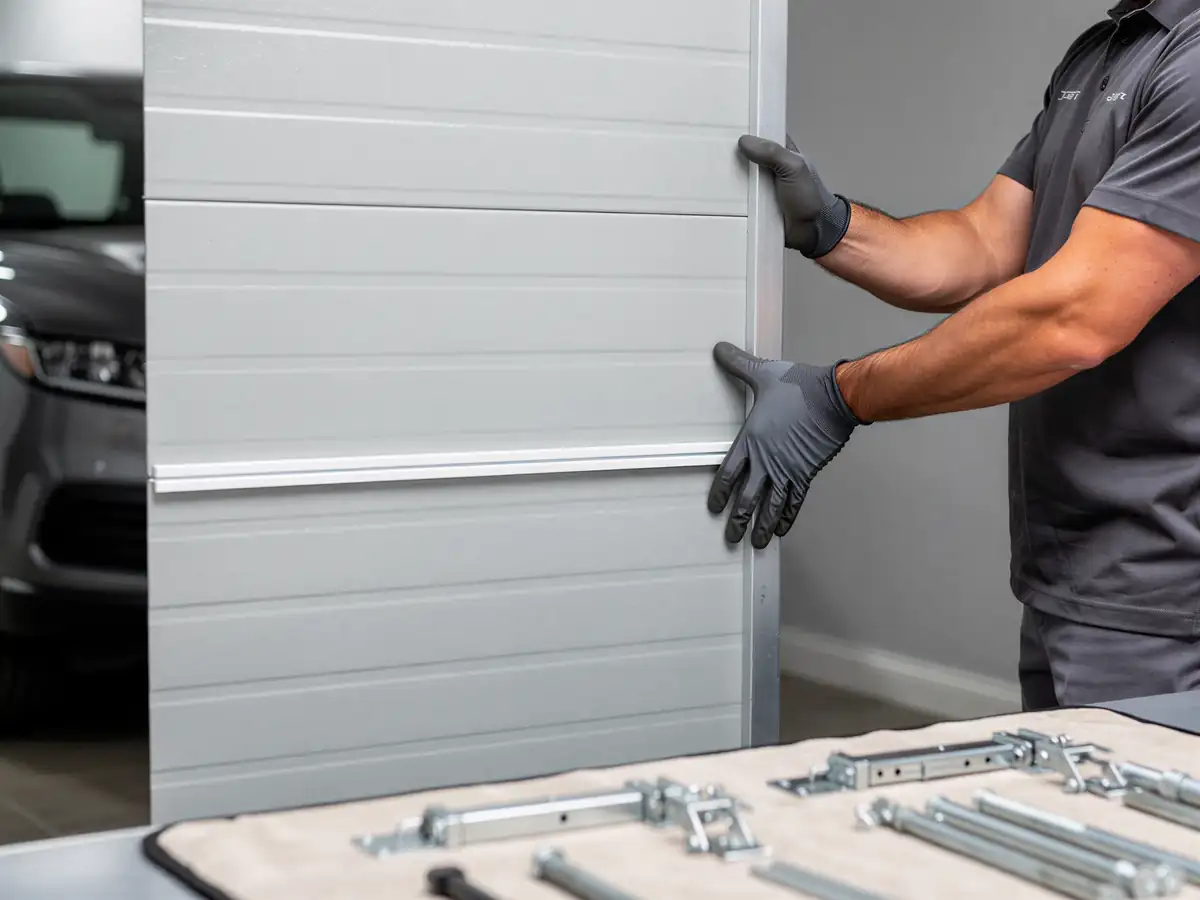
The other failure that shows up on newer construction specifically: a home built with a heavier insulated door sometimes got paired with an opener sized for a lighter one, and the mismatch burns out the motor years earlier than it should. Swapping in a correctly matched unit fixes that for good - it doesn't come back in six months the way a patched logic board sometimes does.
Wiring is the other spot. A ceiling outlet installed to code in 2008 can still have a loose connection or an undersized breaker feeding it, and that's worth checking before a new opener goes on the same circuit and trips the same way the old one did.
The Cost of This Job
There's no flat number here worth printing, because the job changes depending on what's already in the garage: whether the ceiling outlet exists, whether the old rail and brackets get reused or replaced, and whether the door itself needs a heavier-duty opener than what's coming out. A straight swap onto existing wiring and hardware is a different job than one that needs new wiring run and a stronger unit to match an insulated door.
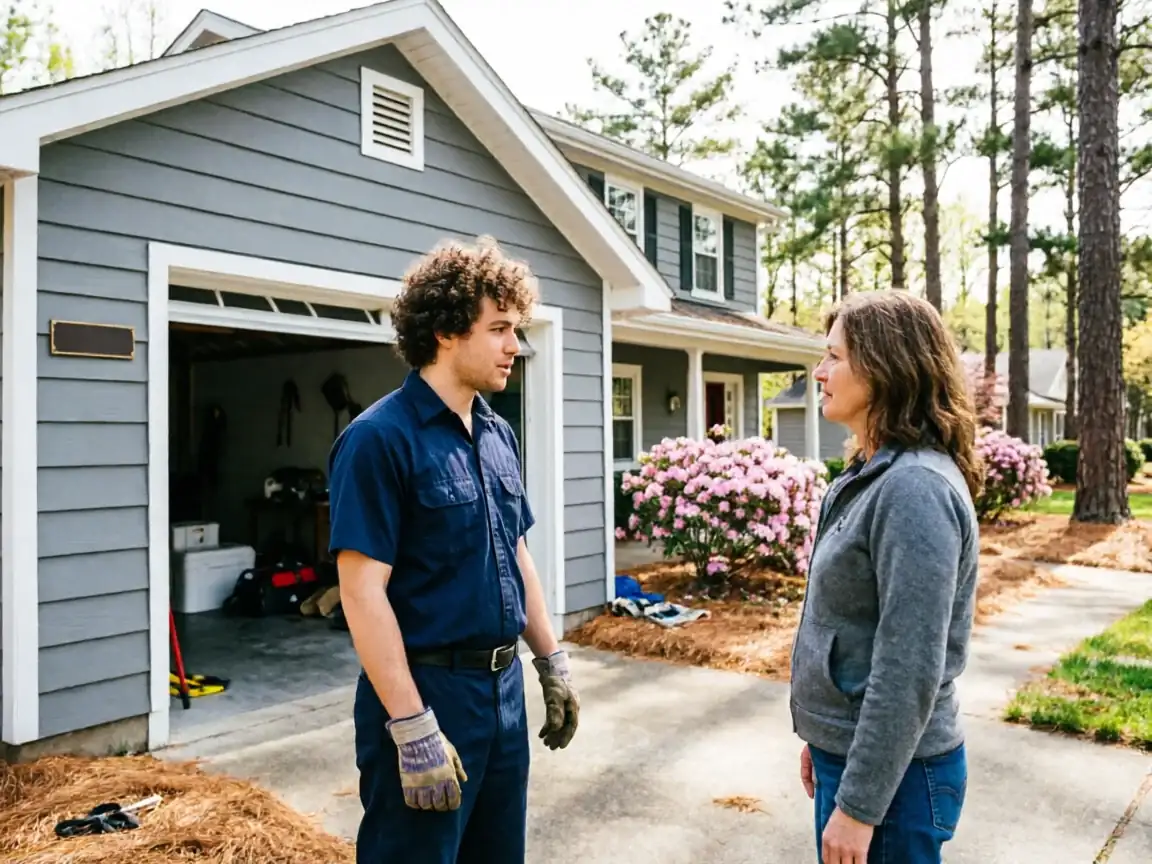
The honest limitation: quoting a price without seeing the garage is guessing, and guessing on a job like this usually means someone's unhappy later - either the homeowner who got lowballed or the crew eating the difference. What a Bluffton-based crew can do is look at the door, the opener coming out, and what's already run to the ceiling, then give a number that holds. That's a better use of a visit than a phone estimate that doesn't survive contact with the actual garage.
Can You Do This Yourself
Mounting an opener bracket and running a rail isn't the hardest job in a garage
But two parts of it are easy to get wrong in a way that isn't obvious until the door fails later. First, the electrical: tying into an existing ceiling outlet is straightforward, but running new circuit where none exists means working near a breaker panel, and that's not a place to guess. Second, the safety reversal and photo-eye alignment - if those sensors sit a hair off level or the force setting is wrong, the door will pass a casual test and still fail to stop on something soft, like a trash can or a foot.
A door that's heavier than the opener's rated lift is the other trap
The unit will run fine for a while and then burn out early, and by the time it fails you've lost the time you thought you saved. If the current opener matches the door's weight class and the wiring's already there, a careful DIYer can manage the swap. If either of those isn't true, it's worth having someone look at it first.
How Long It Takes
The variables that decide how long this runs are the same ones that decide the cost: whether power's already at the ceiling, whether the old rail and bracket get reused, and whether the new unit needs a different mounting height than the old one. A straight one-for-one swap onto existing wiring moves fast because there's no guesswork in the mounting points or the electrical.
What slows it down isn't usually the opener itself - it's whatever else gets found once the old unit comes off the rail. A loose header bracket, a sensor wire that was zip-tied wrong the first time, a breaker that's been handling more than it should. None of that is unusual in a garage that's been running the same opener since the house was new, and it's better to find it during the install than three months later when the new unit trips the same breaker the old one did.