The Cost of This Job
A call to Ridgeland starts eighteen miles out
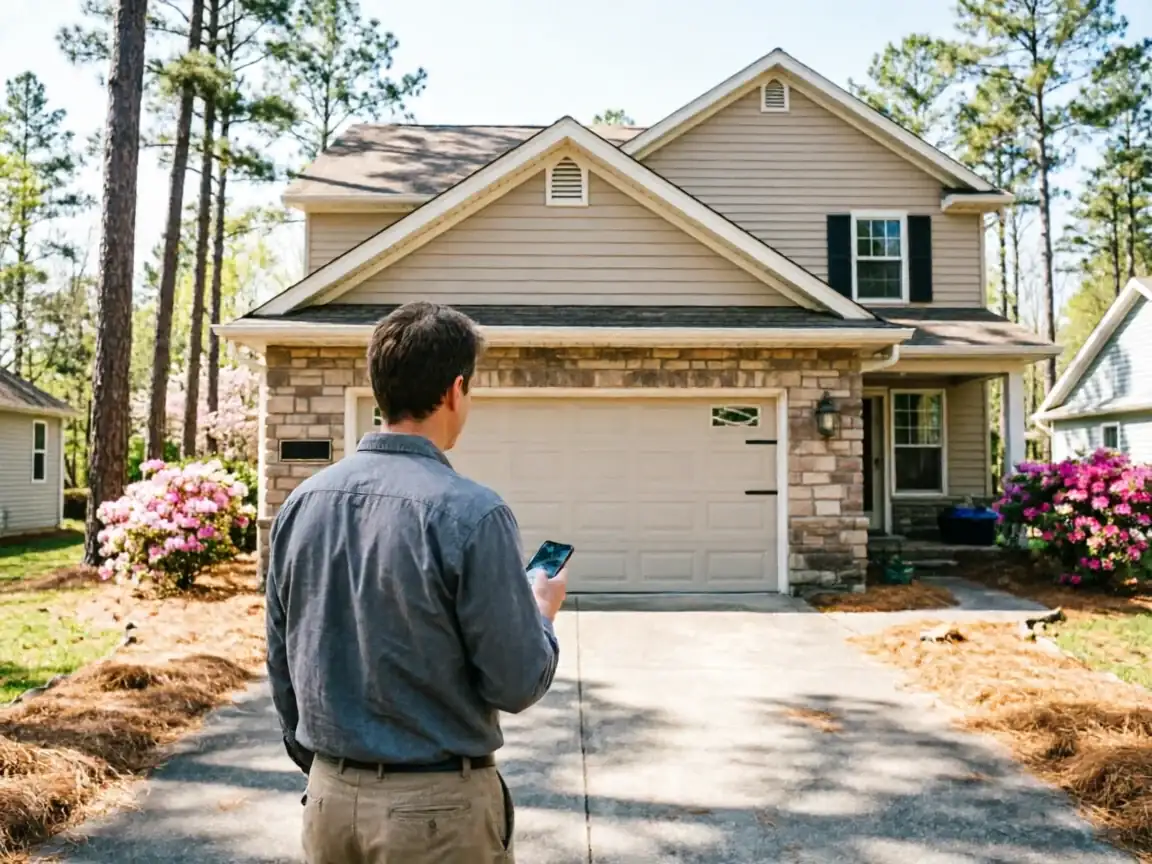
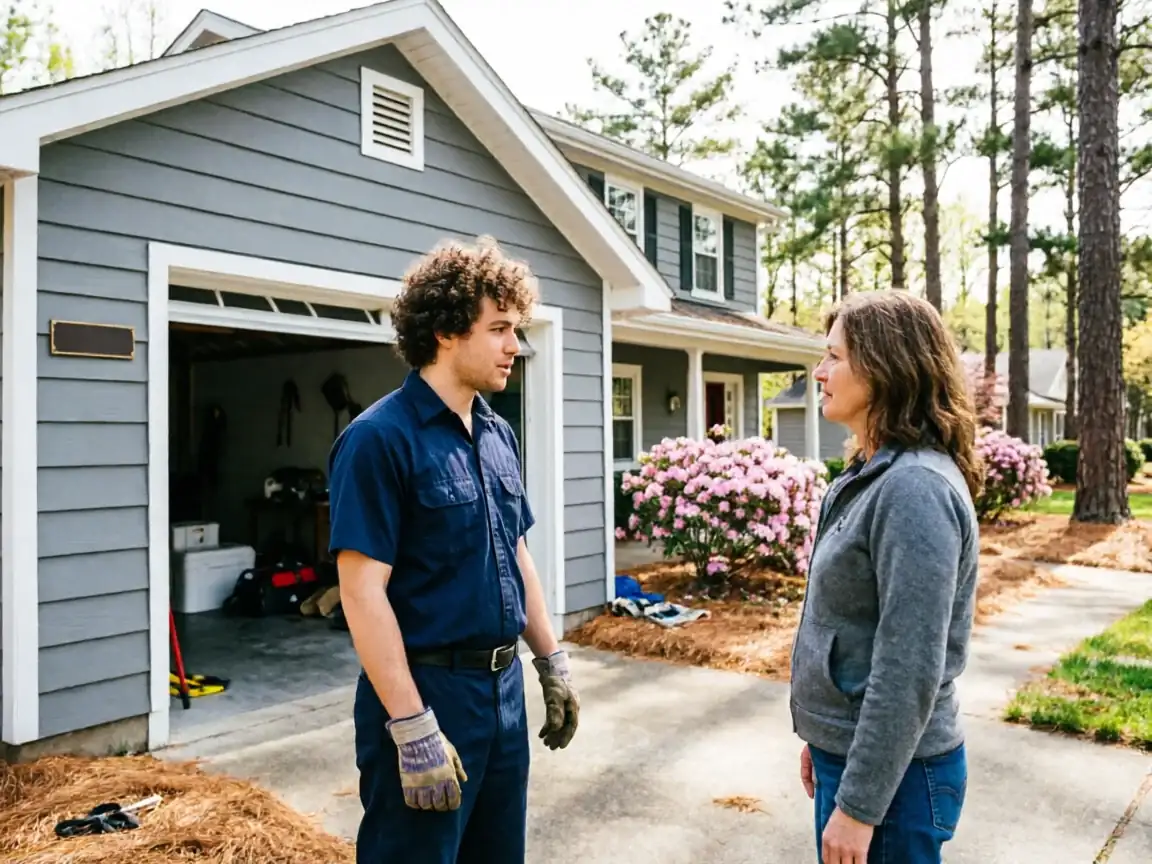
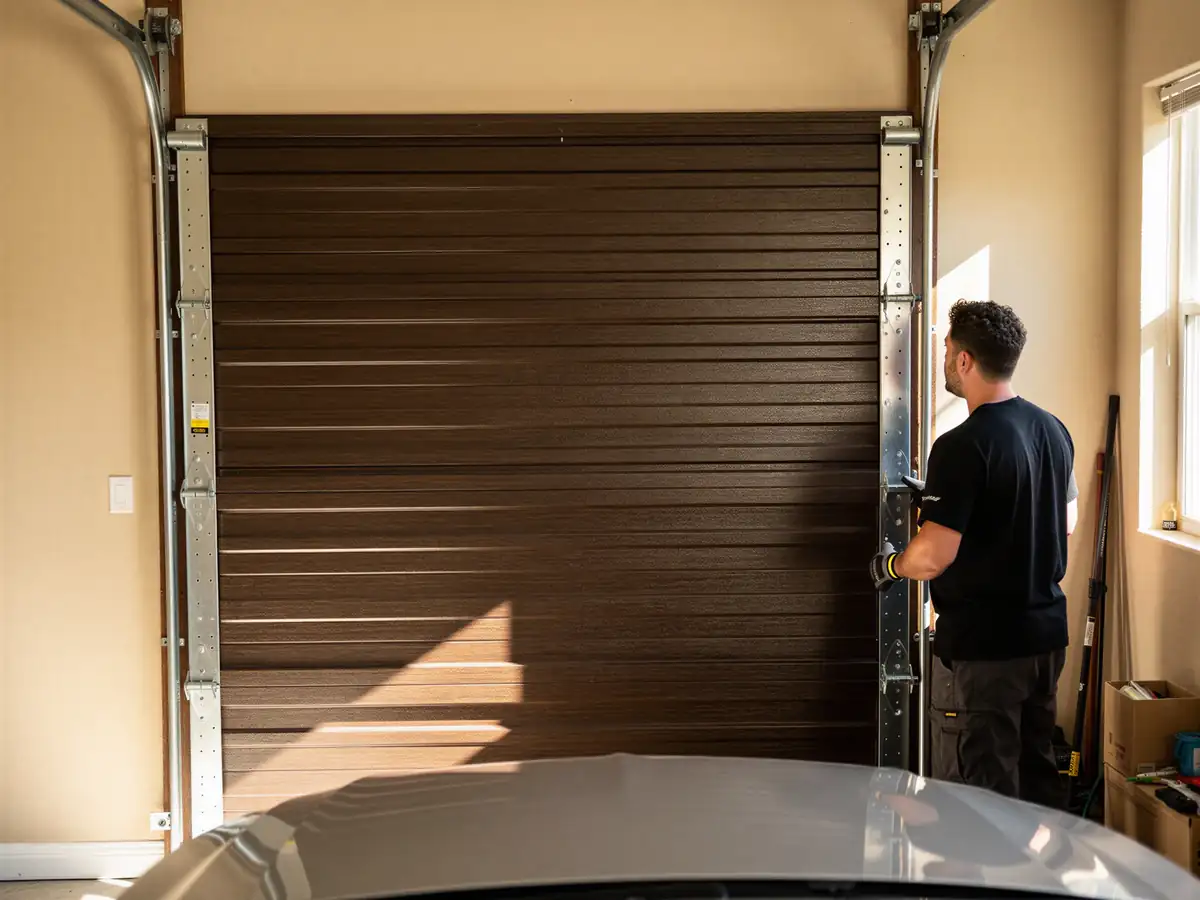
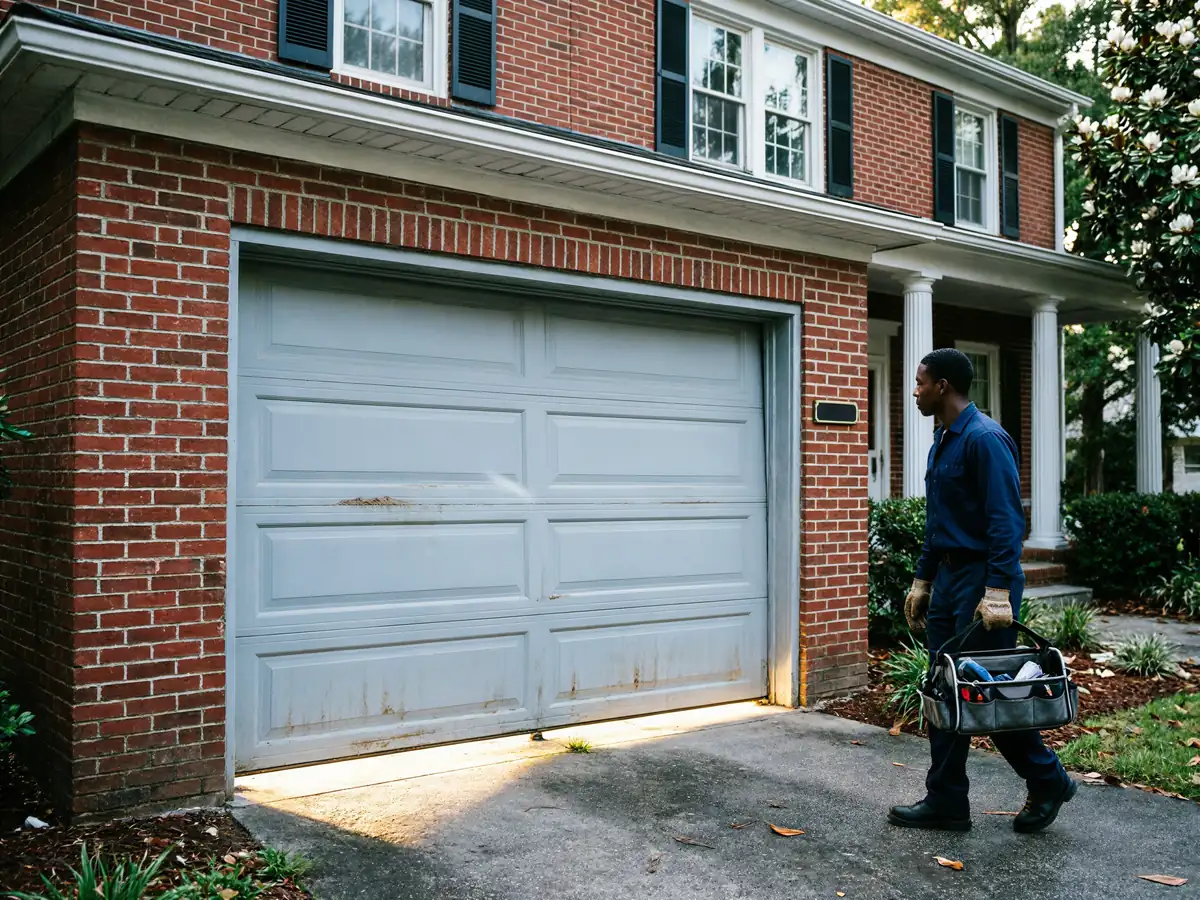
And that number shapes how the job actually runs more than anything else. We don't keep a branch here, so every truck that answers a broken-spring or stuck-door call is coming from Bluffton with a full parts bin, because driving back for a part we guessed wrong on costs both of us an hour we don't get back. That's why the tech who takes your call asks more questions up front than a shop five minutes away would need to - door width, single or double, what year the house went up. We're not stalling. We're deciding what rides in the truck before it leaves the yard.
The actual repair cost depends on what's broken
And we're not going to invent a number here that doesn't hold for every job. What we can tell you is that the drive doesn't get billed as a separate stop charge buried in fine print - it's part of how we price the call, not a surprise on the invoice. If a part has to be special-ordered because your door is older or newer than most of what we see out here, that's the one thing that can stretch the timeline past a single visit.
Can You Do This Yourself
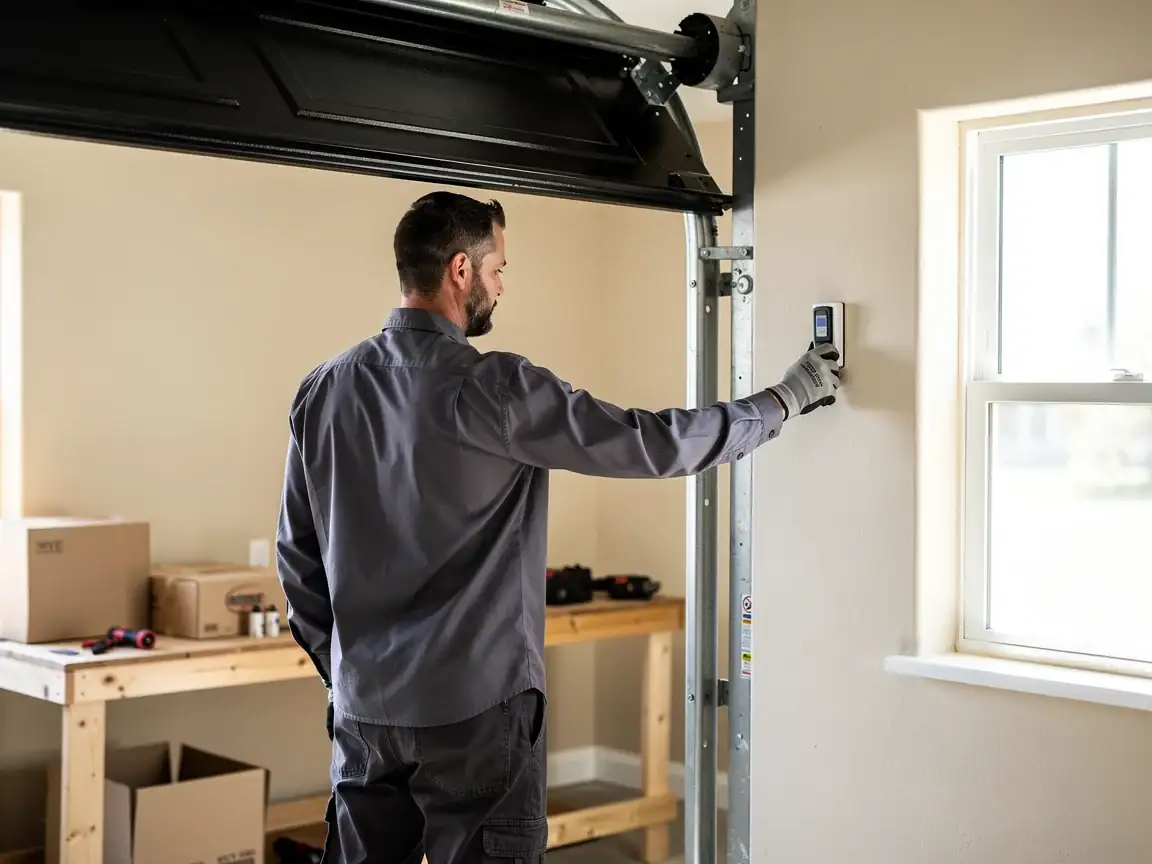
Some of what jams a garage door in Ridgeland is safe to handle without a call: a dirty track, a sensor knocked out of alignment, a remote that needs new batteries. Clean the tracks, check the sensor eyes are both still facing each other, and look for anything physically blocking the door's path before you decide it's broken.
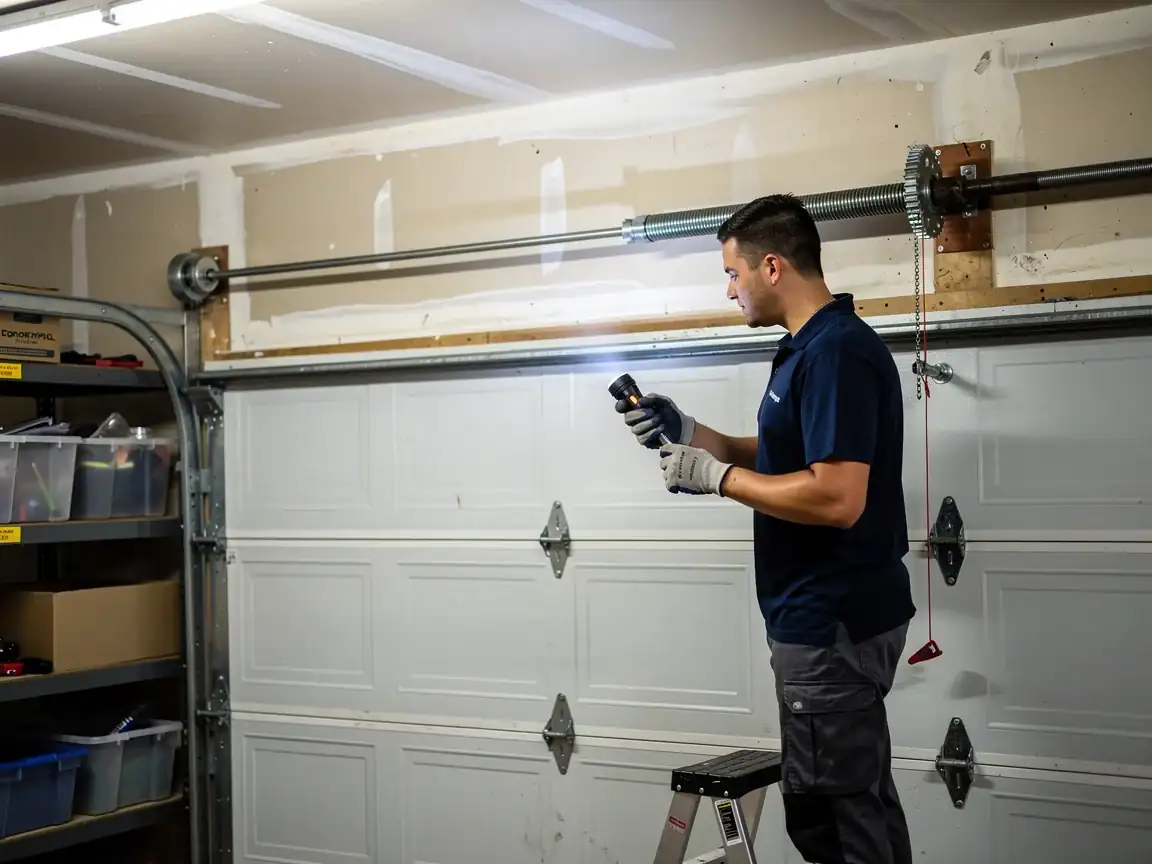
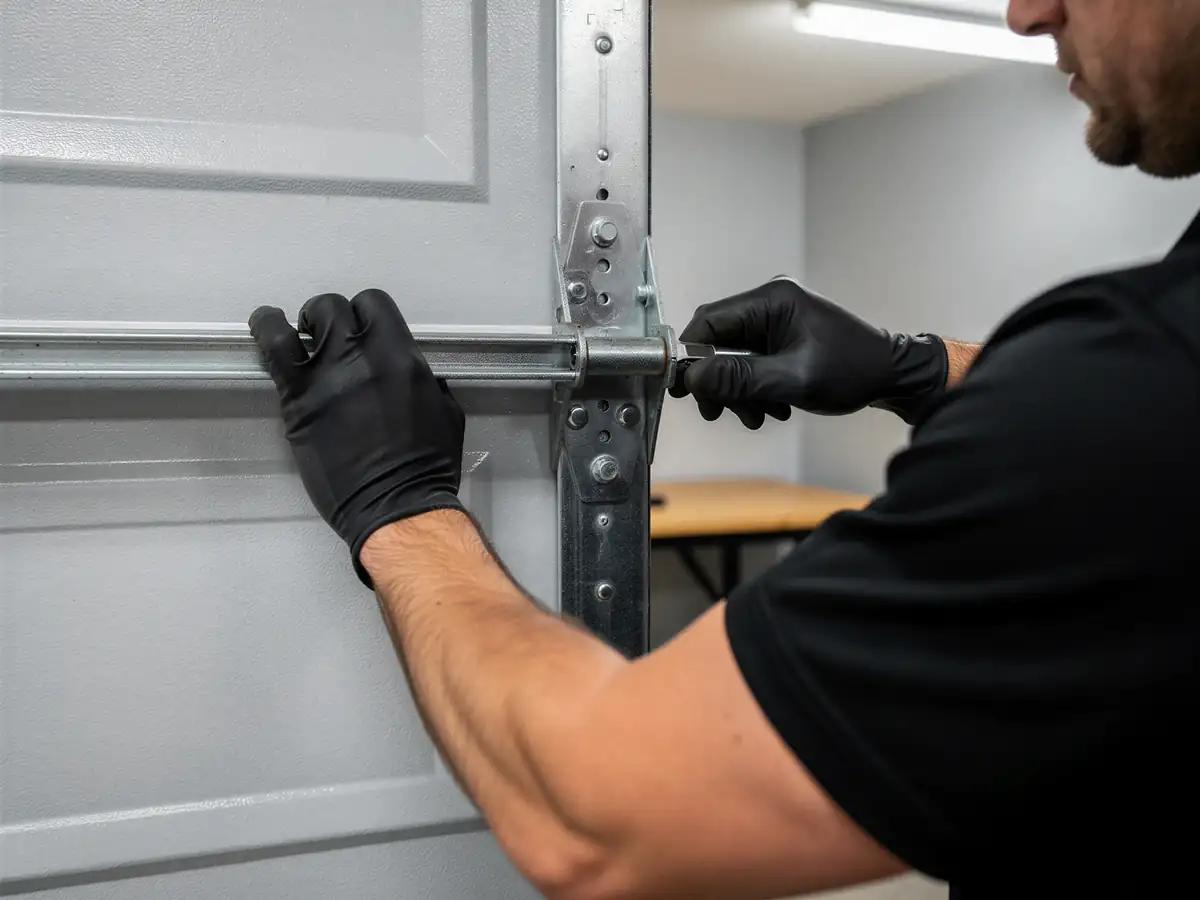
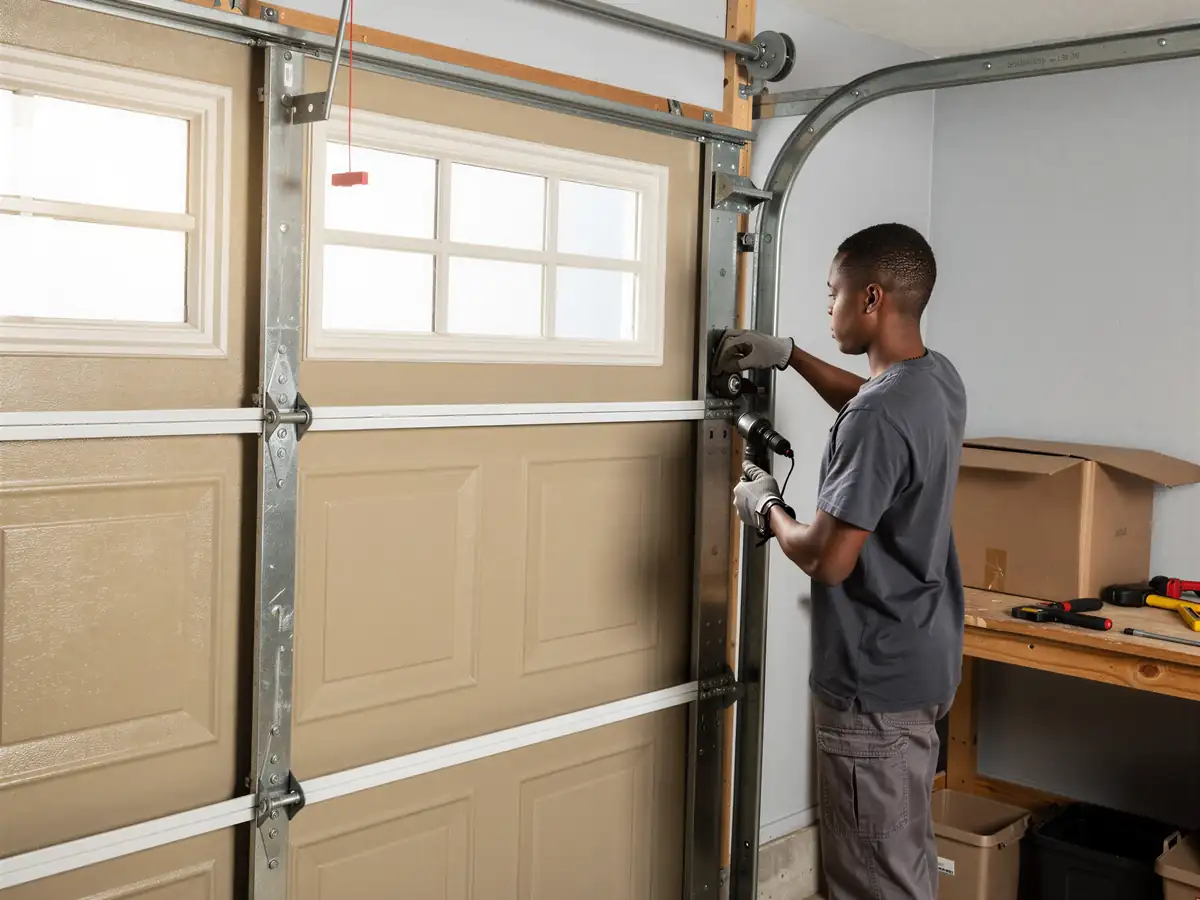
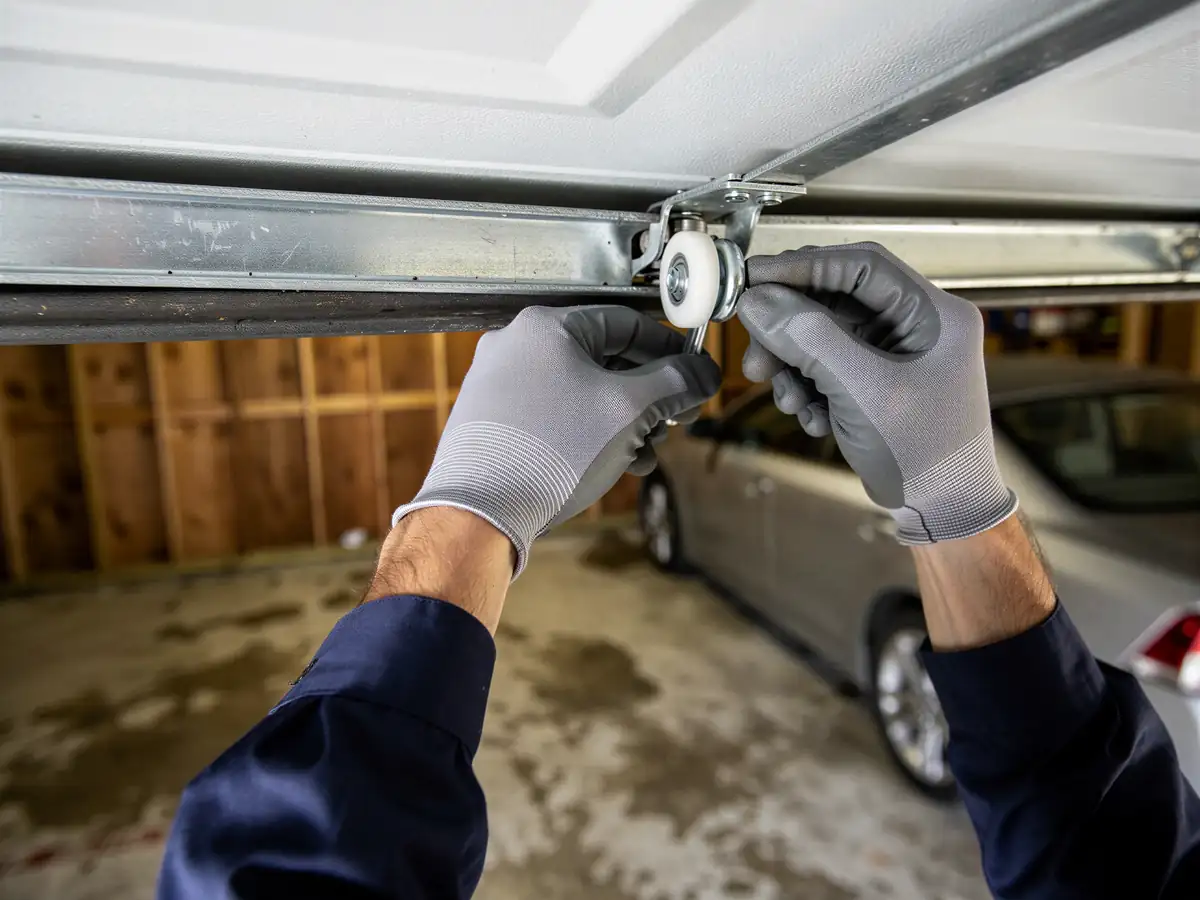
What you shouldn't touch is the spring. Torsion springs hold enough stored tension to break a hand or worse, and on a door built around the mid-90s to early-2000s stock common in this area, that spring has been doing its job for twenty-plus years without anyone checking it. If the door is heavy to lift by hand, won't stay up, or dropped suddenly, that's a spring problem - stop, and don't try to force the opener through it. The honest limit here: if the spring's gone, you need a tech with the right wound-tension bars, not a wrench from the garage. That's not a job to learn on your own door.
Parts We Carry
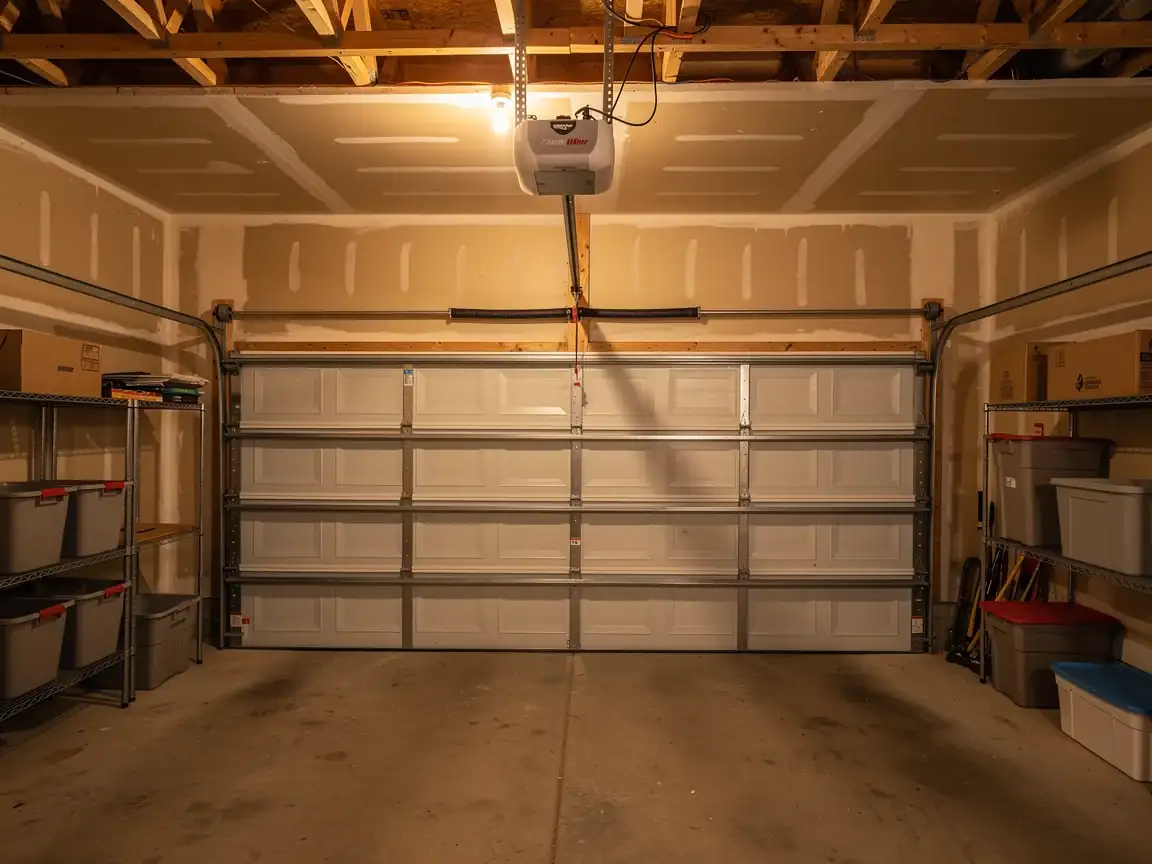
Ridgeland's housing mostly dates newer than the wider service area we cover - homes here run closer to a 1997 build year, a bit past the 1988-2013 span and 1994 median that describes the broader area. That matters because it tells us what's likely on the truck before we even see the door: steel torsion springs on a standard drum, factory steel panels rather than the older wood-and-hinge doors you'd find in an area built a decade earlier, and openers from the chain-drive generation that came standard through the late 90s.
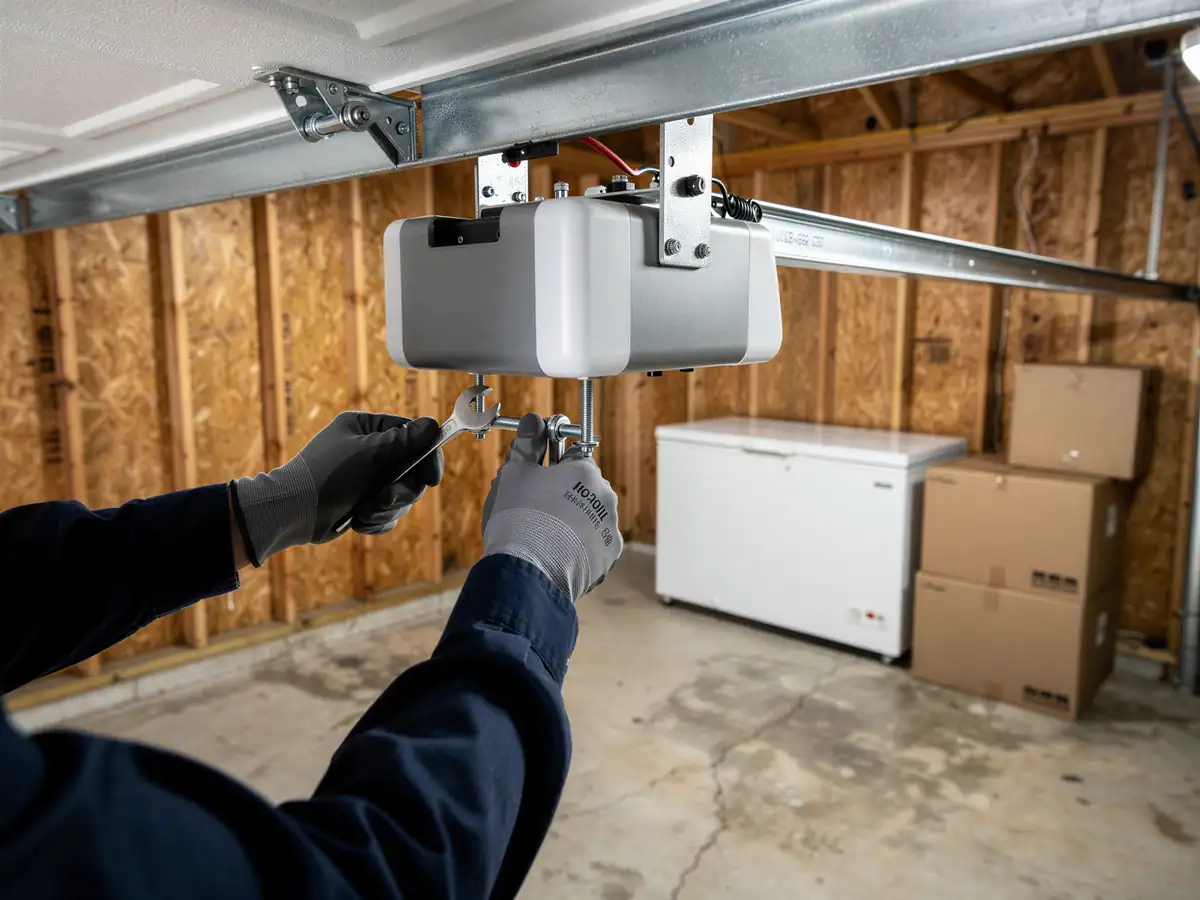
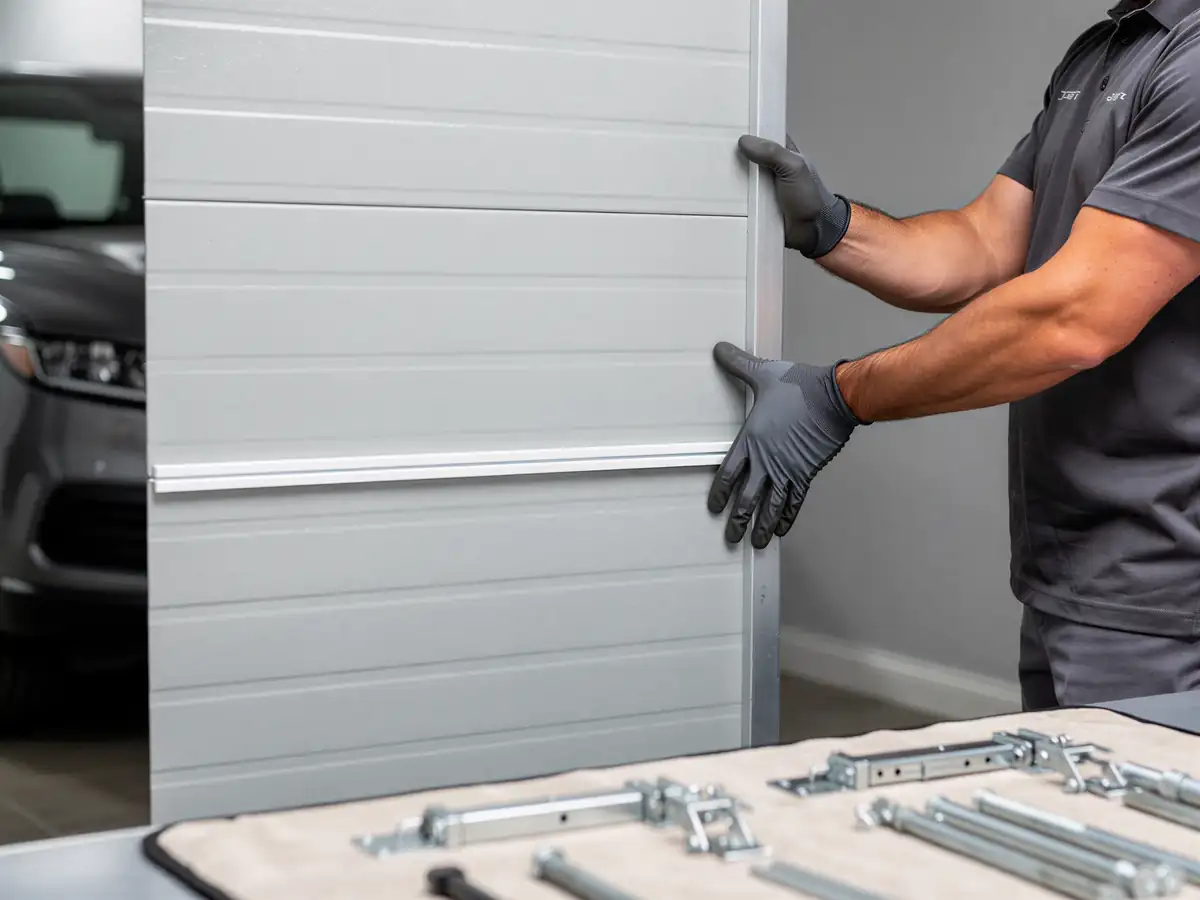
We stock torsion springs in the common residential weights, rollers, cables, and standard safety sensors, because those cover most of what fails on a door this age. What we don't carry on the truck is anything custom-sized or discontinued - if your door turns out to be an older model than the neighborhood norm, or a specialty size, that part may need ordering, and we'll say so on the spot rather than pretend we have it in the bin.
Why It Happens Here
The climate here runs mild with the occasional freeze, not the hard winters that crack hardware outright
But the swing still matters. Metal contracts a little on the colder nights, grease stiffens, and a spring or roller that was already near the end of its life picks that night to finally let go. It's not dramatic weather - it's just enough cold to turn a slow failure into a sudden one.
Ridgeland's roughly 926 households sit in a smaller, newer pocket than the service area as a whole
Where the median income runs a bit higher at $71,023 against the wider area's $68,085. That doesn't change how doors fail, but it does mean the doors out here, built mostly in the mid-to-late 90s, are reaching the age where torsion springs - rated for a set number of cycles - start hitting the end of their working life around the same stretch of years. When one goes, it tends to go on a cold morning after months of slow wear nobody noticed.
- 926 households