The Cost of This Job
Ridgeland's housing stock centers on a median build year of 1997
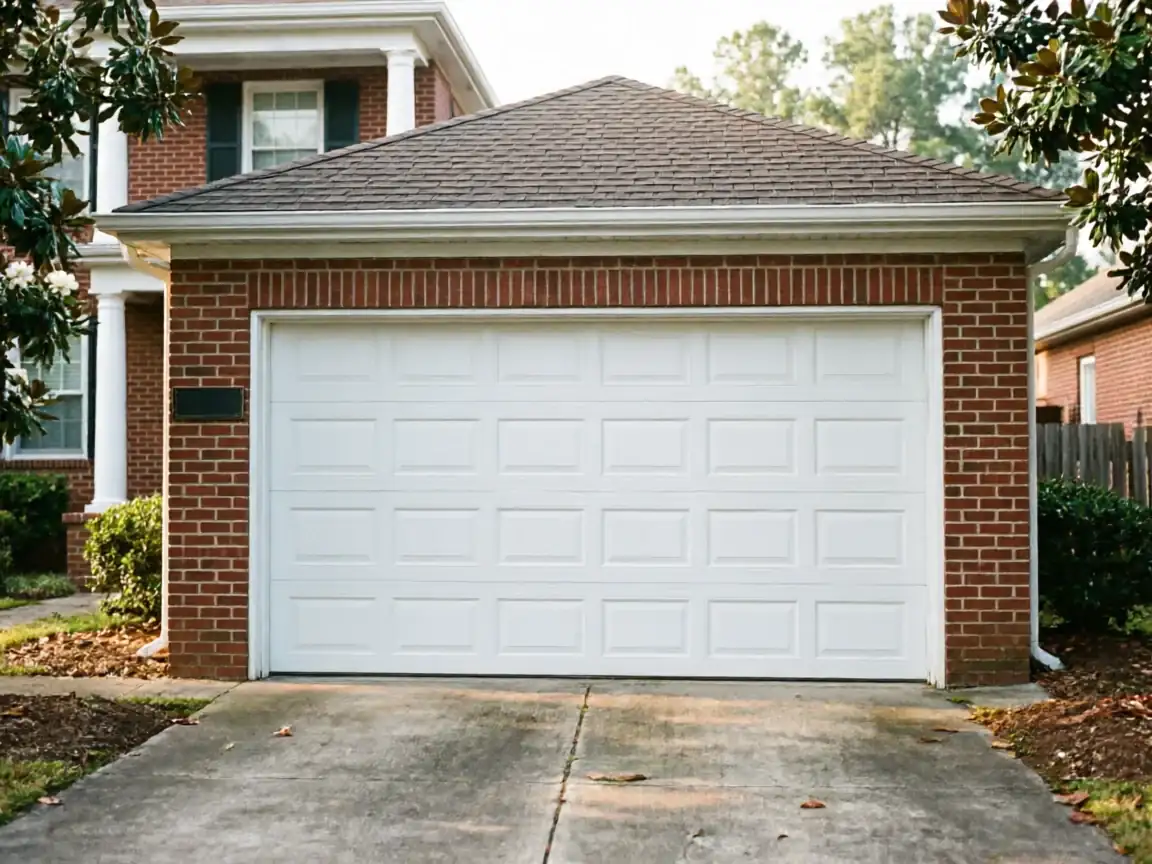
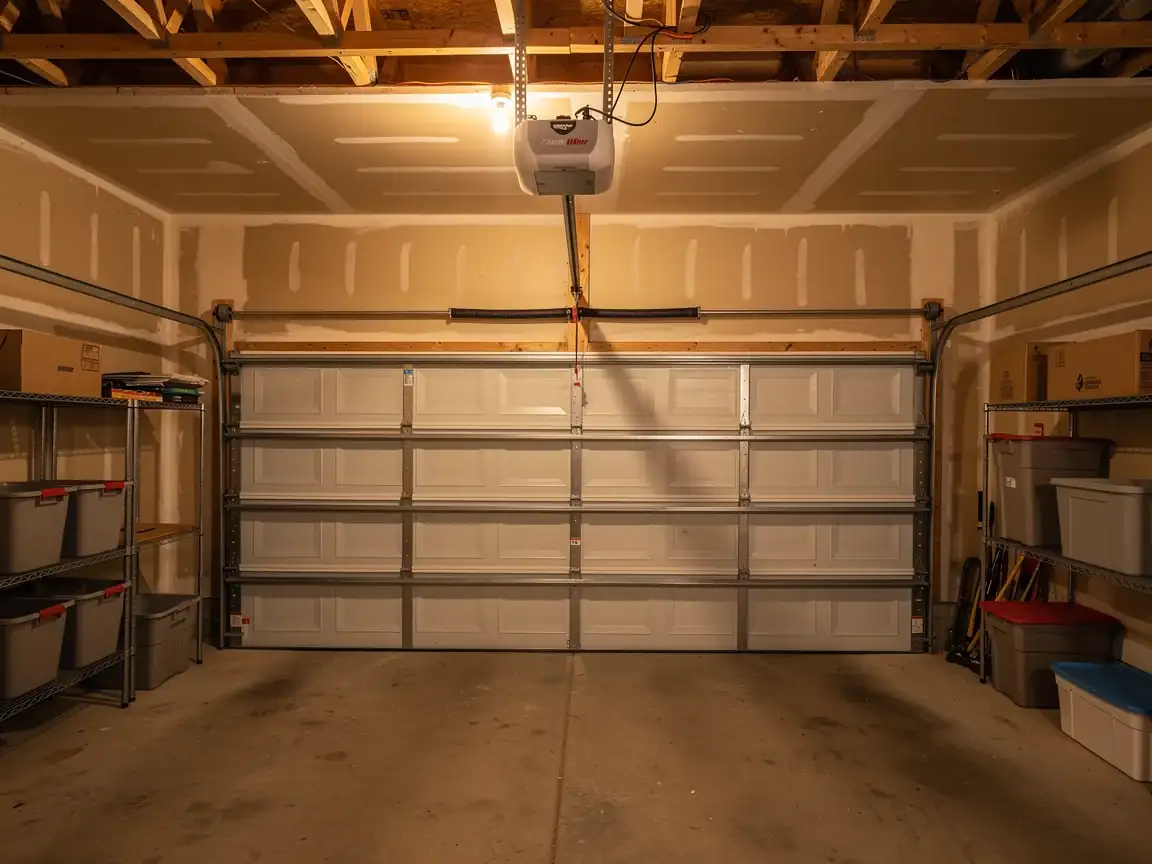
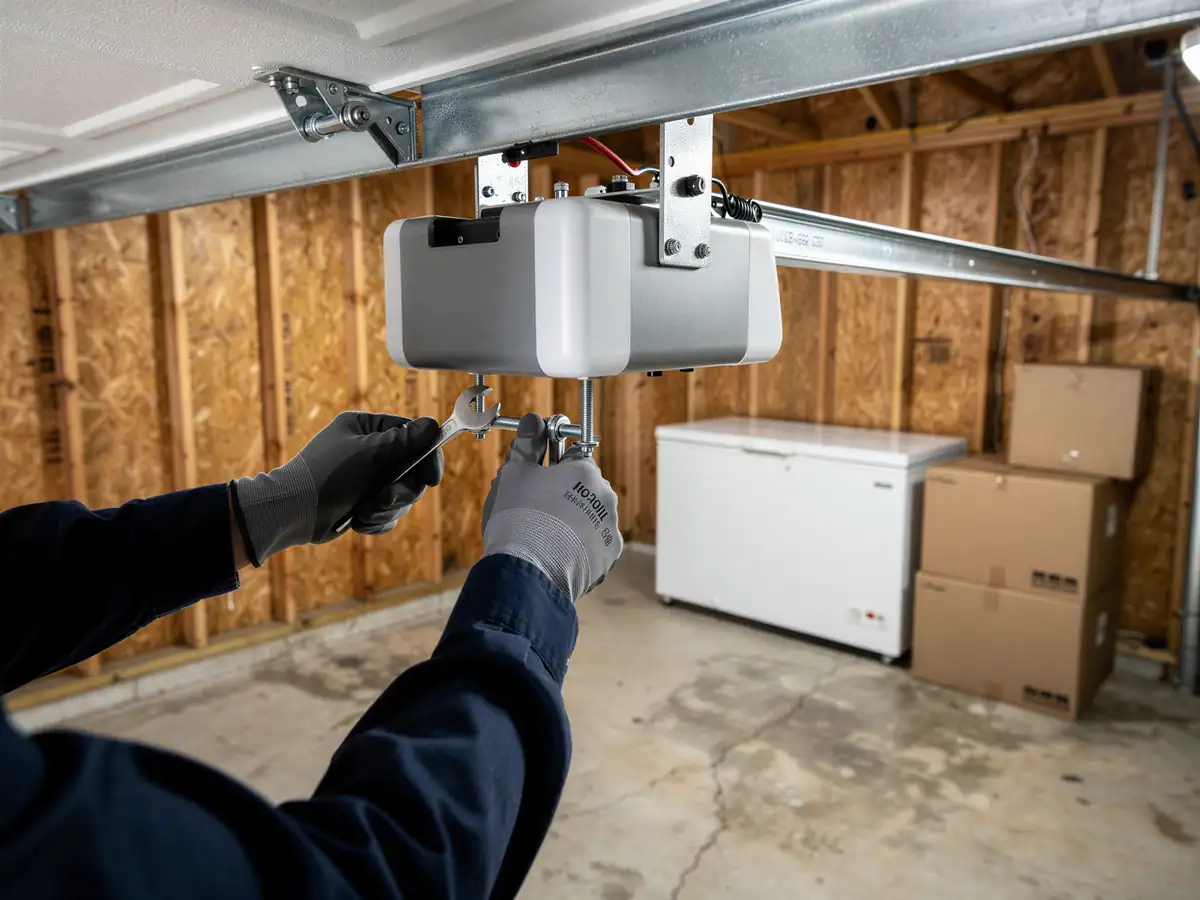
Which puts a lot of original garage doors and openers at or past the point where parts are hard to source. A door built in the mid-90s usually came with a steel sectional panel, a chain-drive opener, and galvanized torsion hardware rated for a lighter duty cycle than what's sold today. When that hardware finally gives out, replacing the door instead of chasing parts for a 25-year-old unit is usually the better math, not just the easier one.
What you pay depends on door size, insulation level, and whether the opener needs replacing too
We don't have a flat number to quote here without seeing the job. What we can tell you is that Ridgeland sits about 18 miles from our Bluffton base, and that travel is factored into any quote we give rather than tacked on as a surprise. We don't carry a local stock point in Ridgeland itself, so every job here is scheduled as a truck run, not a drop-in.
- 18 miles
Can You Do This Yourself
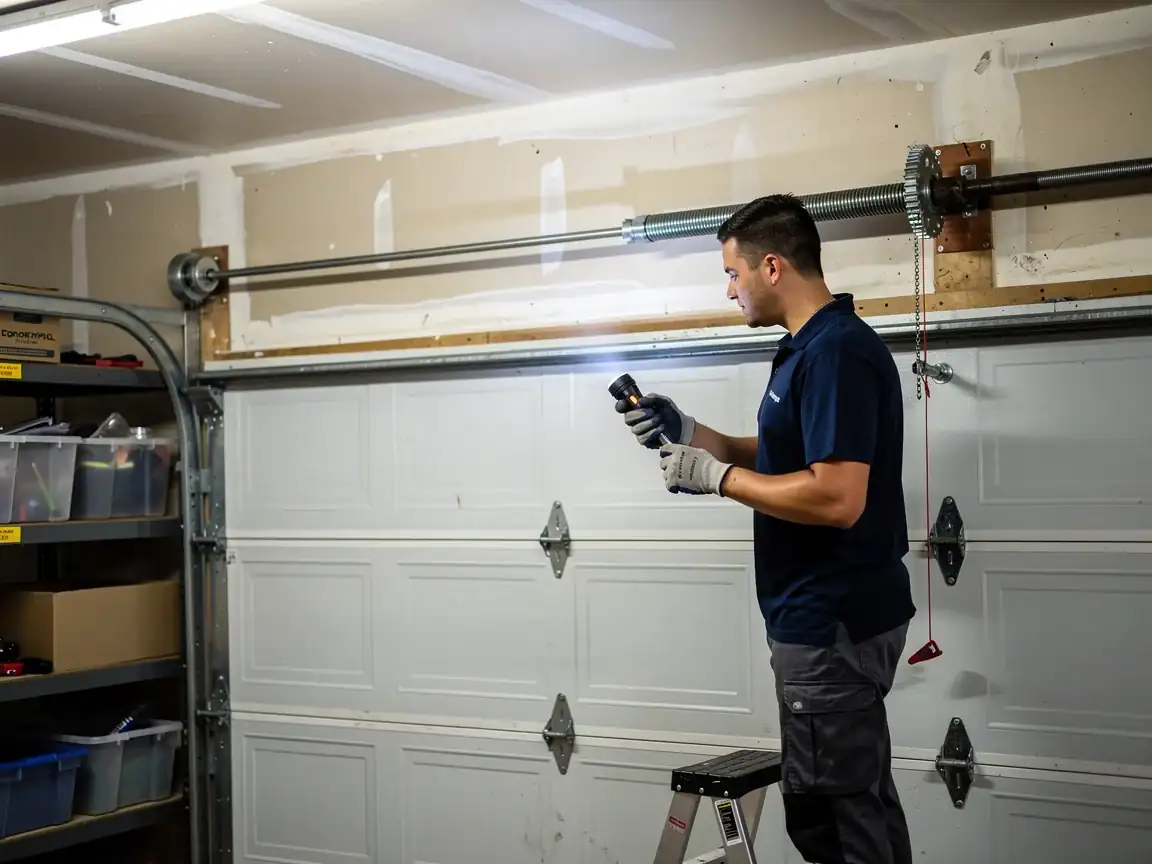
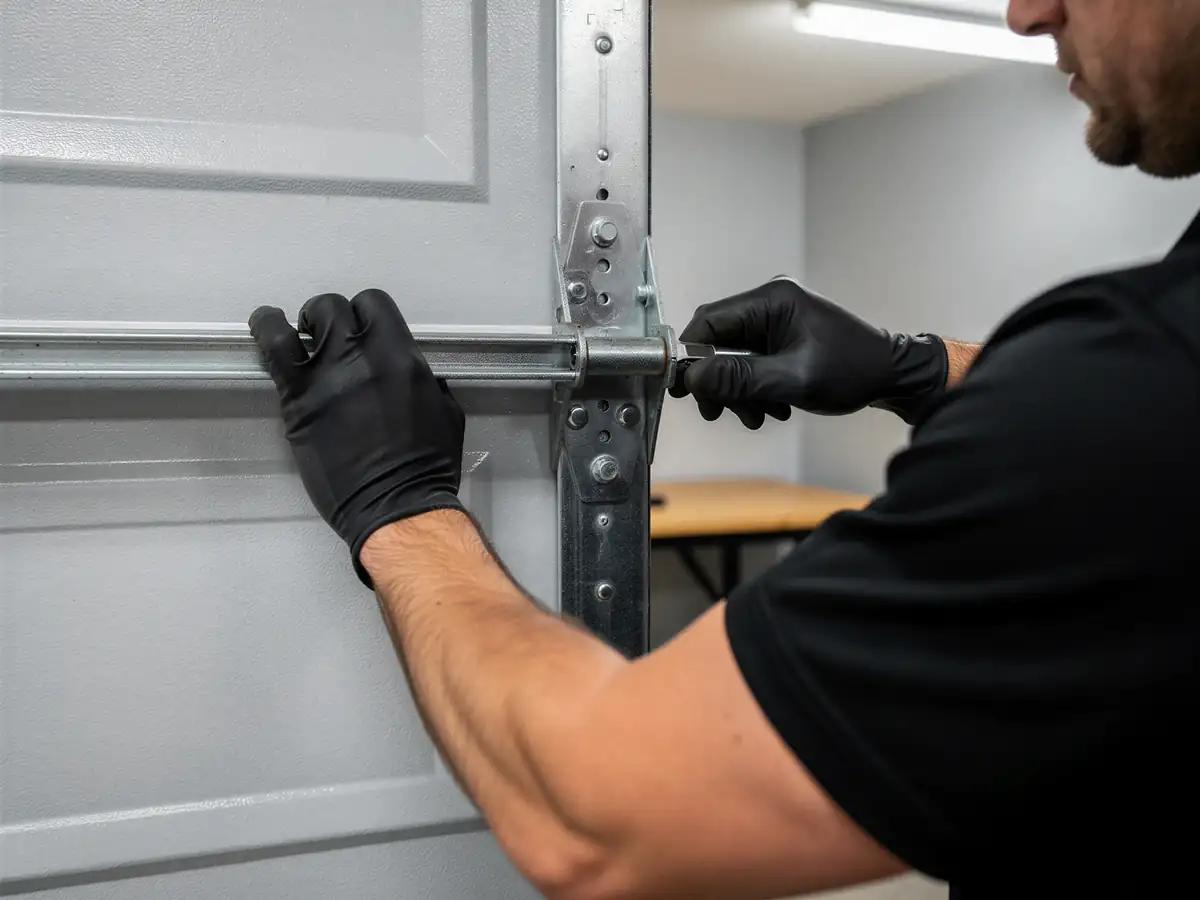
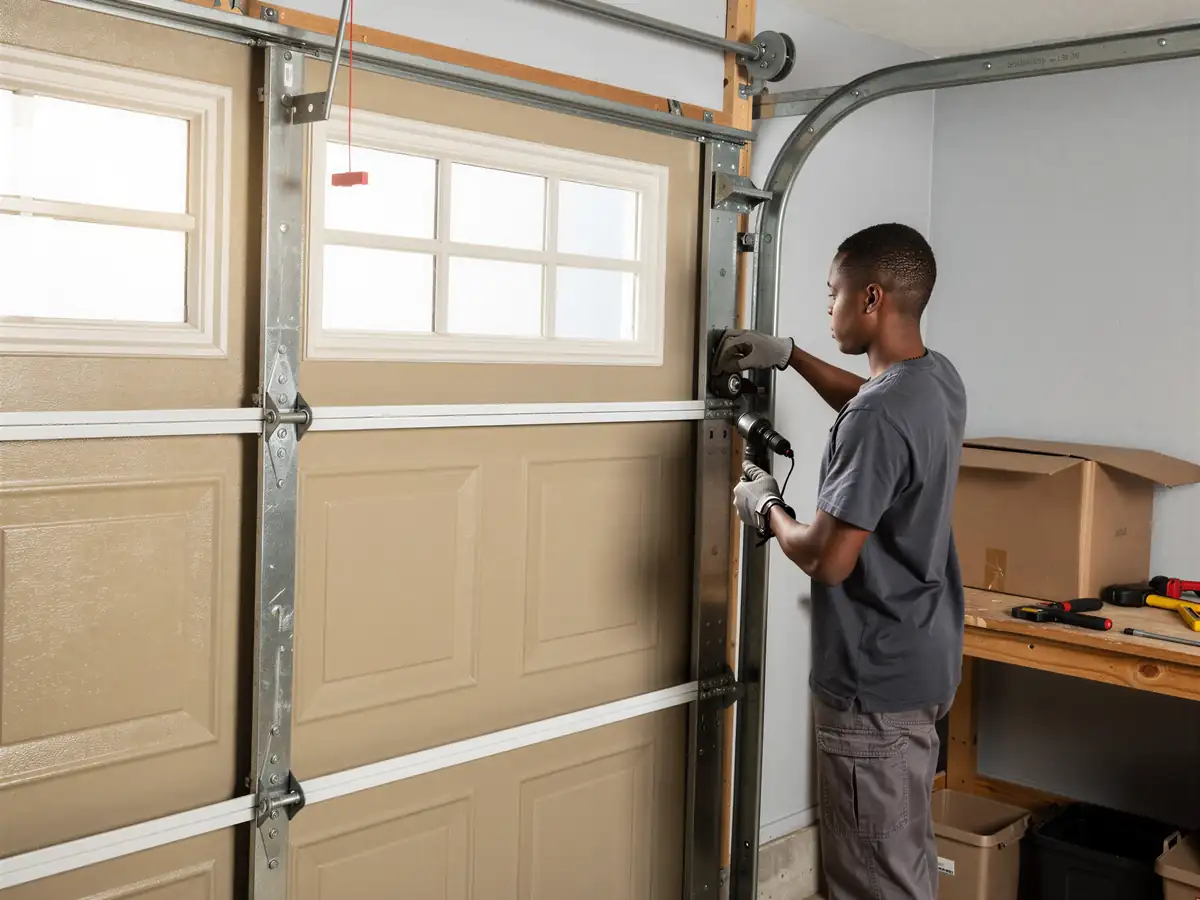
A single-car steel door with no insulation upgrade is within reach for a handy homeowner who's comfortable with a torsion spring under load - which is to say, most people shouldn't do the spring part themselves regardless of the door's age. Swapping panels, resetting track, and squaring a new frame on a house built in the late 90s isn't usually complicated work on its own. It's the spring and cable tensioning that puts people in the ER, not the carpentry.
If your house is one of the 926 Ridgeland households we're counting in this area, odds are decent your opener predates rolling-code security and your spring is original. That's not a DIY judgment, it's just what the build year tells us. Where we draw the line: we won't walk a homeowner through spring work over the phone, and we won't warranty a door where someone else did the structural install and just wants us to add an opener on top of it.
Parts We Carry
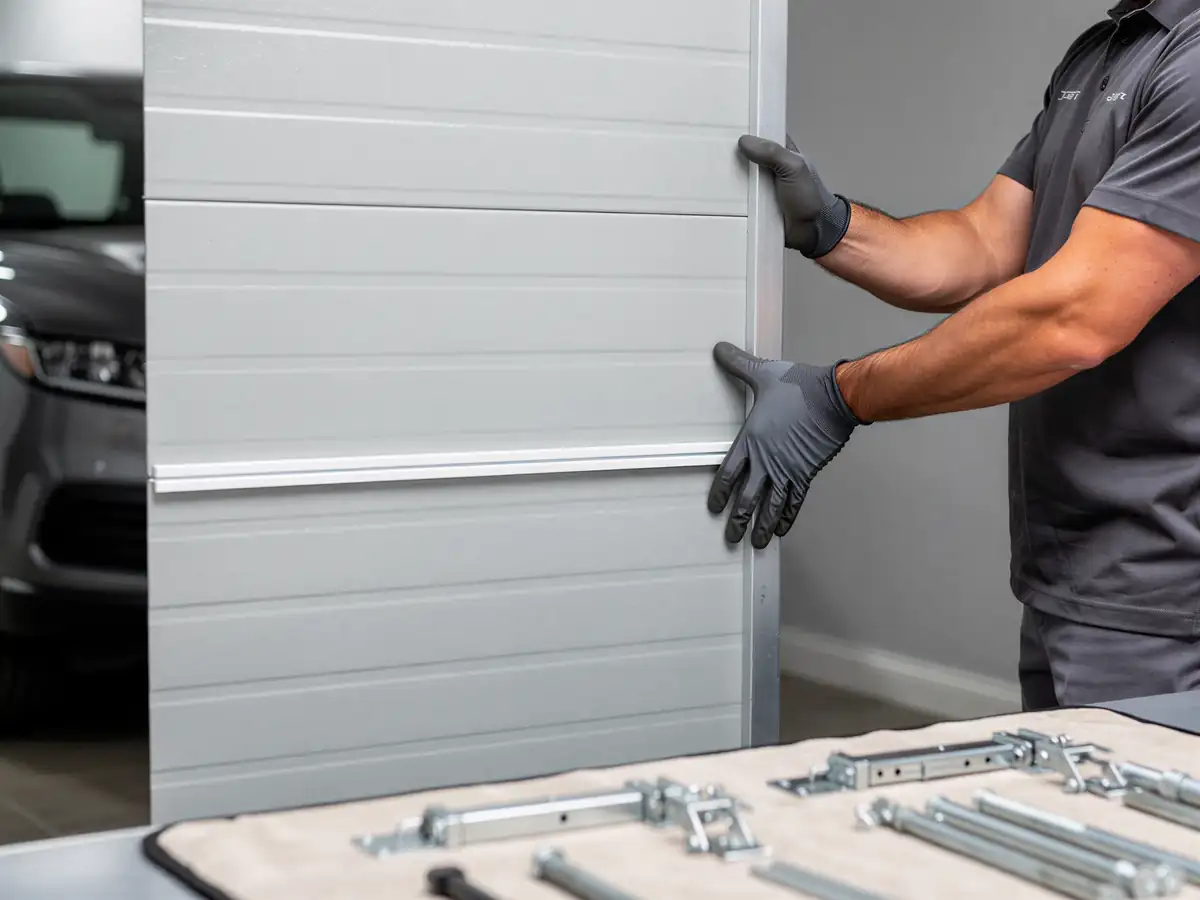
For a Ridgeland install we're bringing doors, track, and hardware on the truck from Bluffton rather than pulling from a local supply house, so what we stock on the vehicle is what gets installed that day - anything custom-ordered (odd widths, specific insulation ratings, certain color matches) means a second trip. That's the honest limitation: we're not a same-day order-anything operation out here.
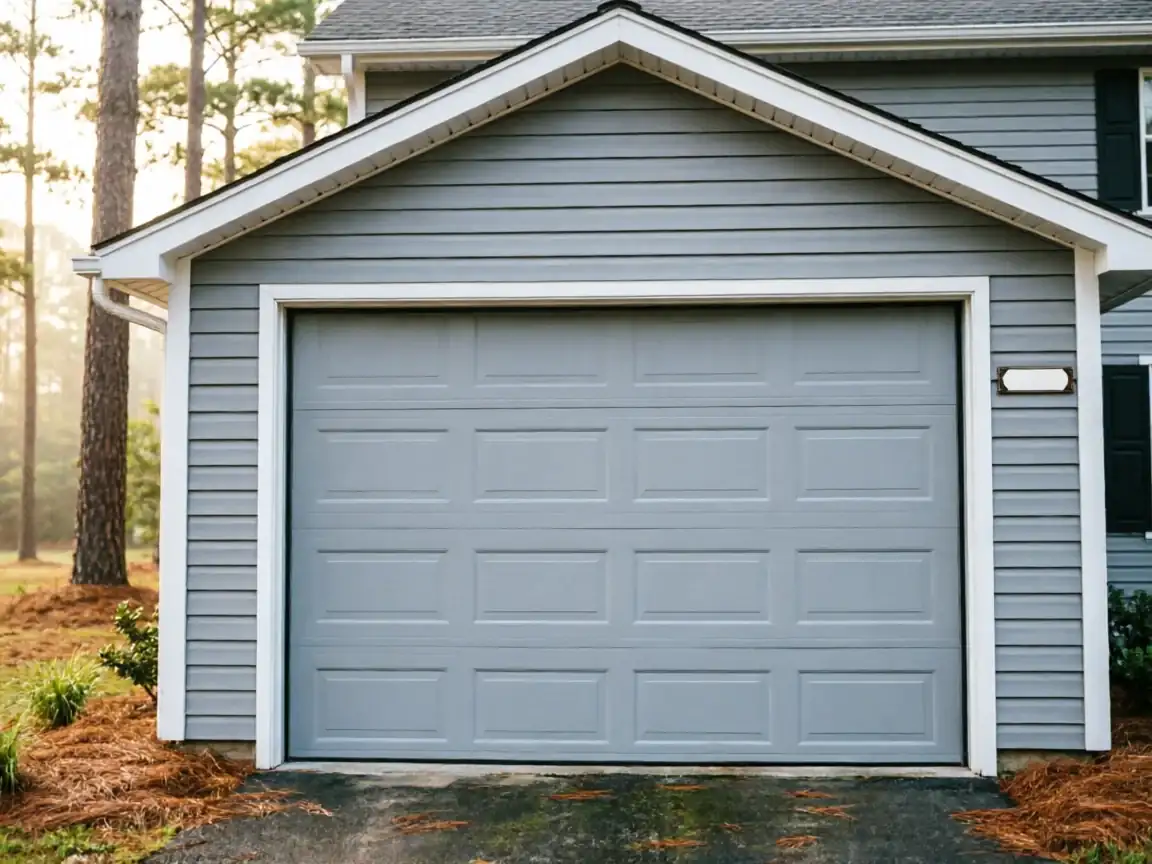
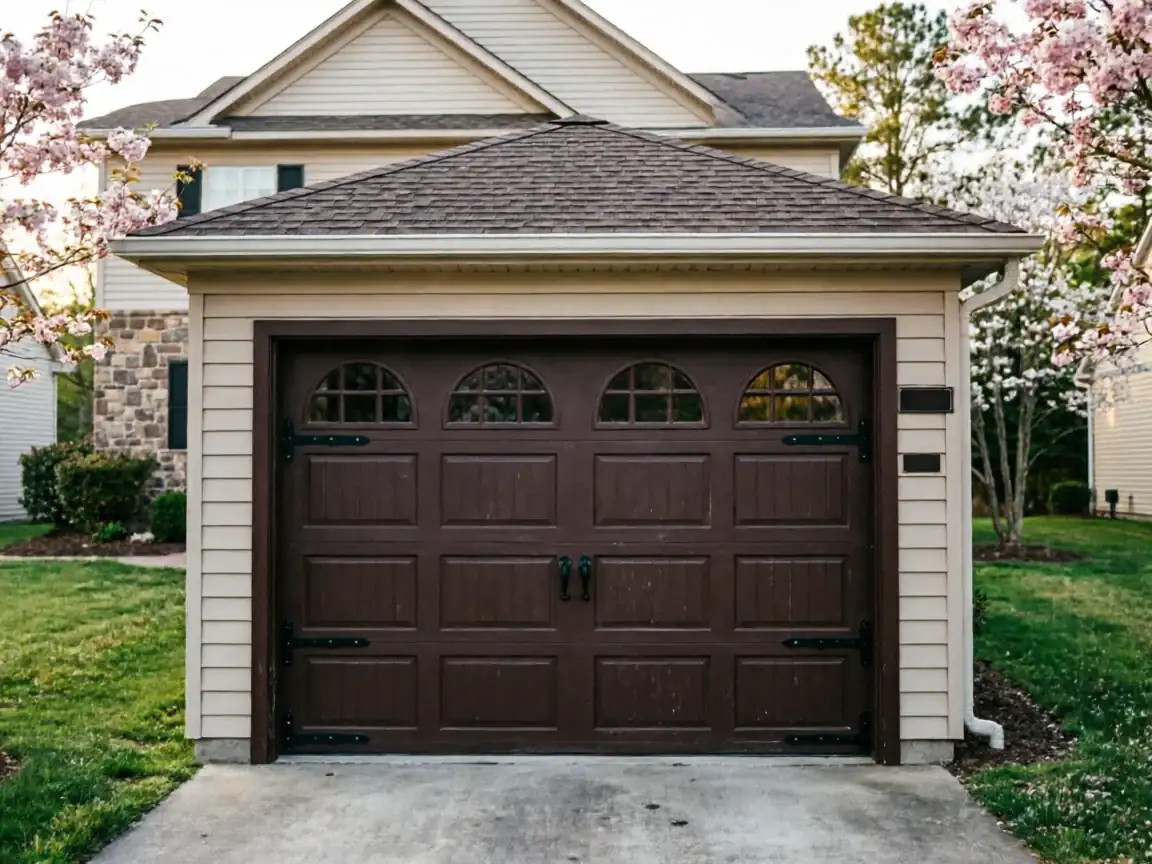
The area's climate runs mild with occasional freeze, which matters more for weatherstripping and hardware coating than for insulation thickness. We spec galvanized or zinc-coated hardware as standard rather than bare steel, since even occasional freeze-thaw cycling corrodes exposed springs and hinges faster than people expect in a place that doesn't get hard winters. Panels come in standard steel and insulated steel; full custom wood isn't something we carry on the truck for this service area.
Why It Happens Here
Ridgeland's median income sits at $71,023, a bit above the $68,085 median across our wider Bluffton service area
And that shows up less in the installs themselves and more in which doors get replaced versus patched - insulated doors and belt-drive openers come up more often as requests here than bare steel and chain drive. The underlying failure pattern, though, traces back to the build year more than the budget.
A door and opener installed around 1997 is now past typical service life for torsion springs rated by cycle count
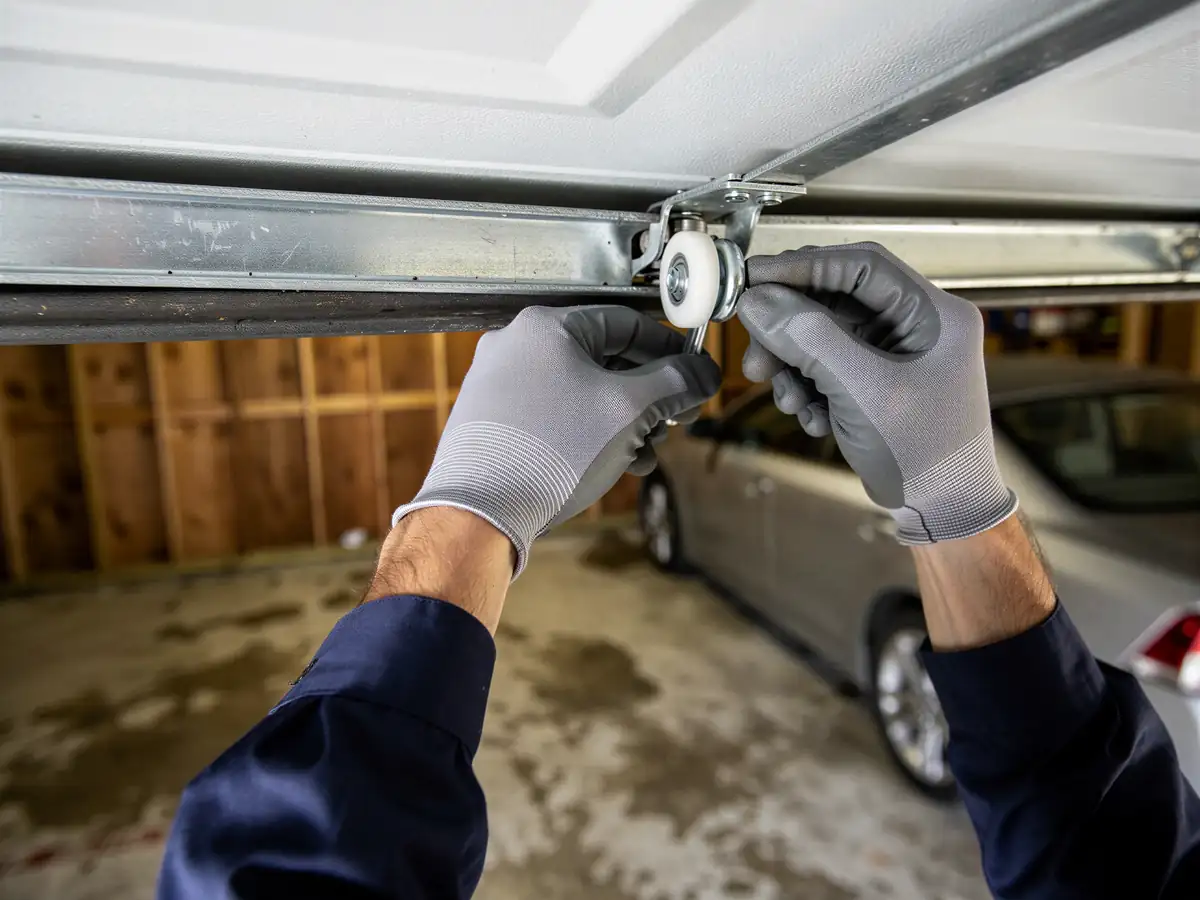
And well past the useful life of a 90s-era chain-drive opener's gearing. Add a climate that's mild but not freeze-free, and galvanized coatings that have been cycling through humidity and the occasional cold snap for over two decades start to show pitting on springs and track. None of that is unique to one house - it's what you'd expect from a town where most garages went up in the same decade.