The Cost of This Job
What drives the bill on a roller job isn't the roller itself
It's how many you're replacing and what shape the track is in. Most doors have ten rollers total, and in our experience you rarely replace just one or two without the rest following within a year or two, since they wear at close to the same rate. If the track has worn in an hourglass pattern from years of steel-on-steel contact, that adds time and sometimes a track section to the job.
Ridgeland's housing stock skews a bit newer than the rest of the area we cover out of Bluffton
Median build year here runs 1997, close to but a few years past the 1994 median for the service area as a whole. That matters for pricing because doors from this era were built with 2-inch radius track sized for 7-foot steel rollers, a common and still-available size, not the oddball 10-step rollers you see on older or imported doors. That keeps the parts cost predictable. We travel the 18 miles out from Bluffton for this work, and the trip itself doesn't change what's on the invoice - the roller count and track condition do.
- 18 miles
We don't quote a flat number here because we haven't seen your door
But the part itself is one of the cheaper line items in a garage door repair.
Can You Do This Yourself
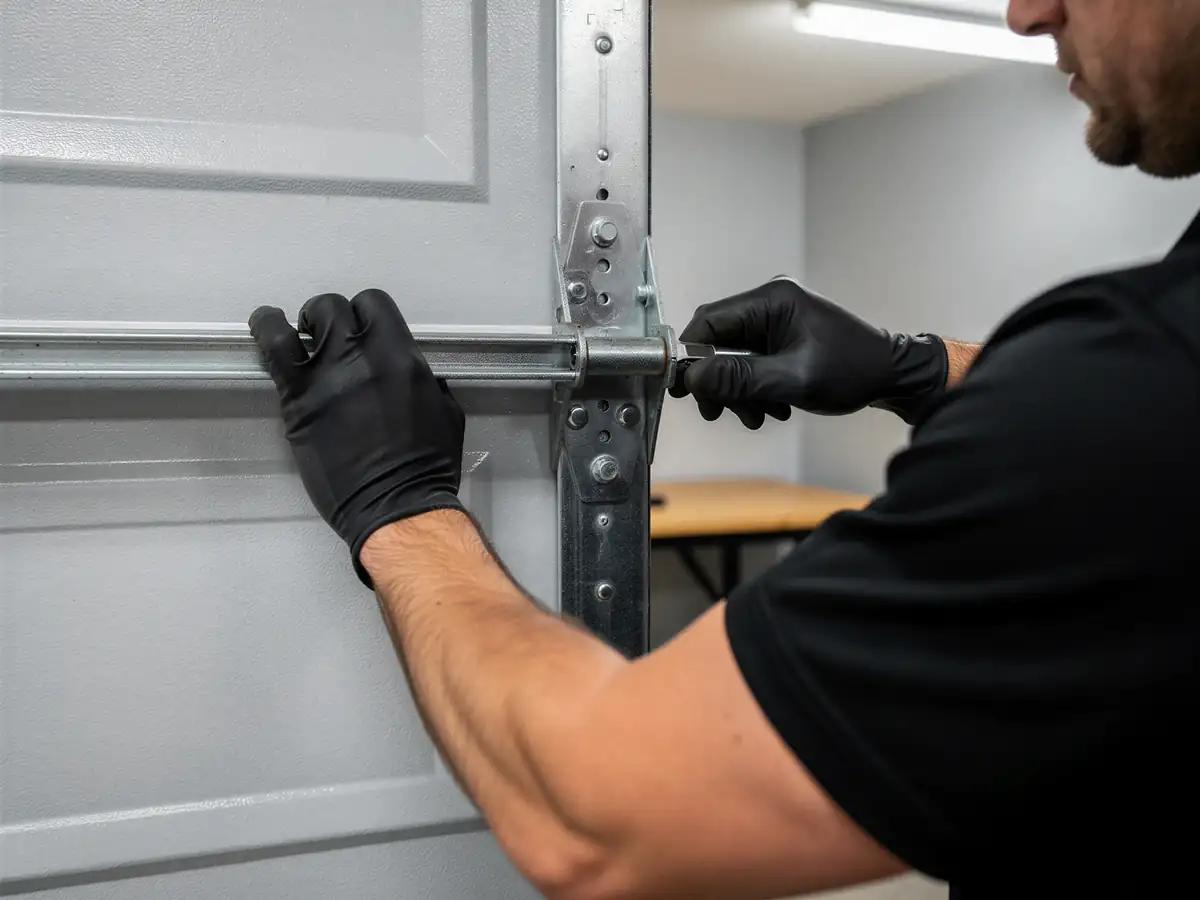
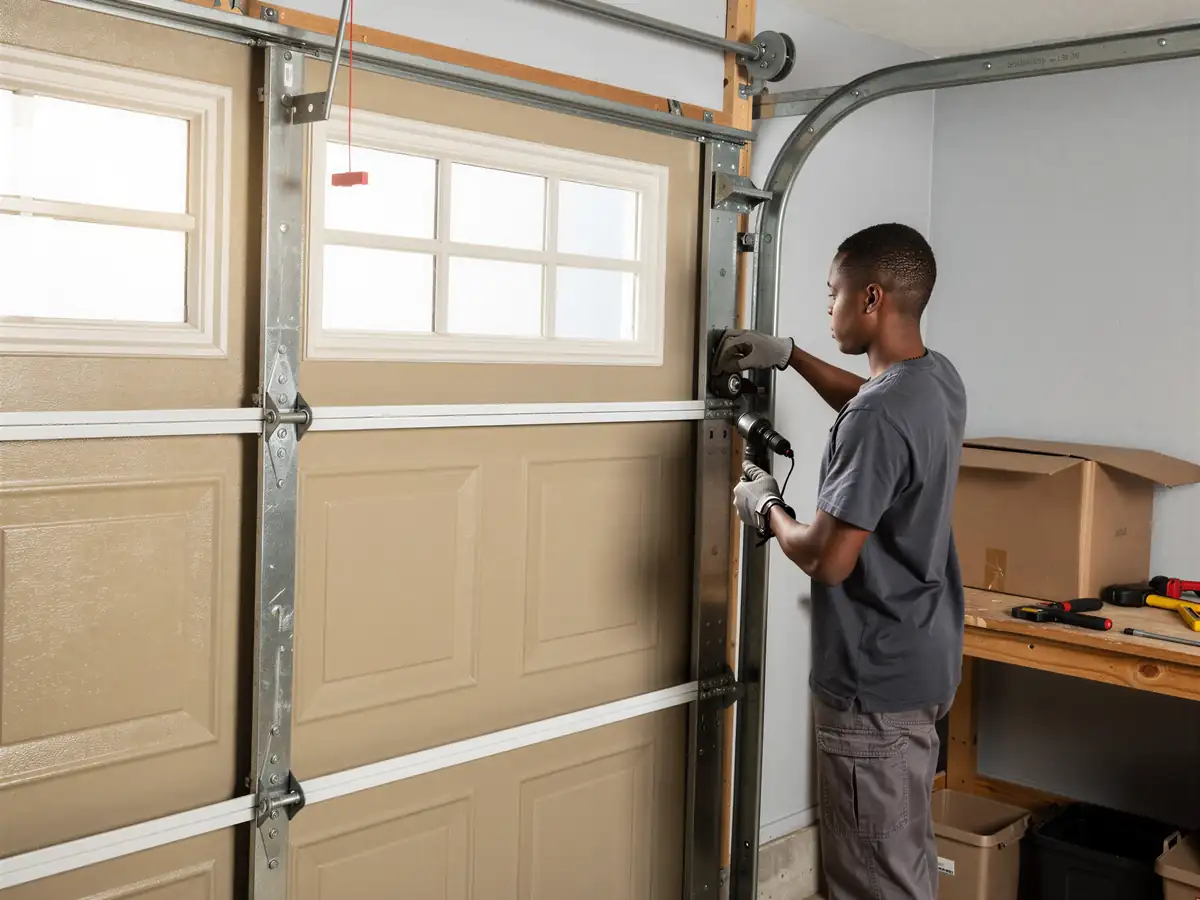
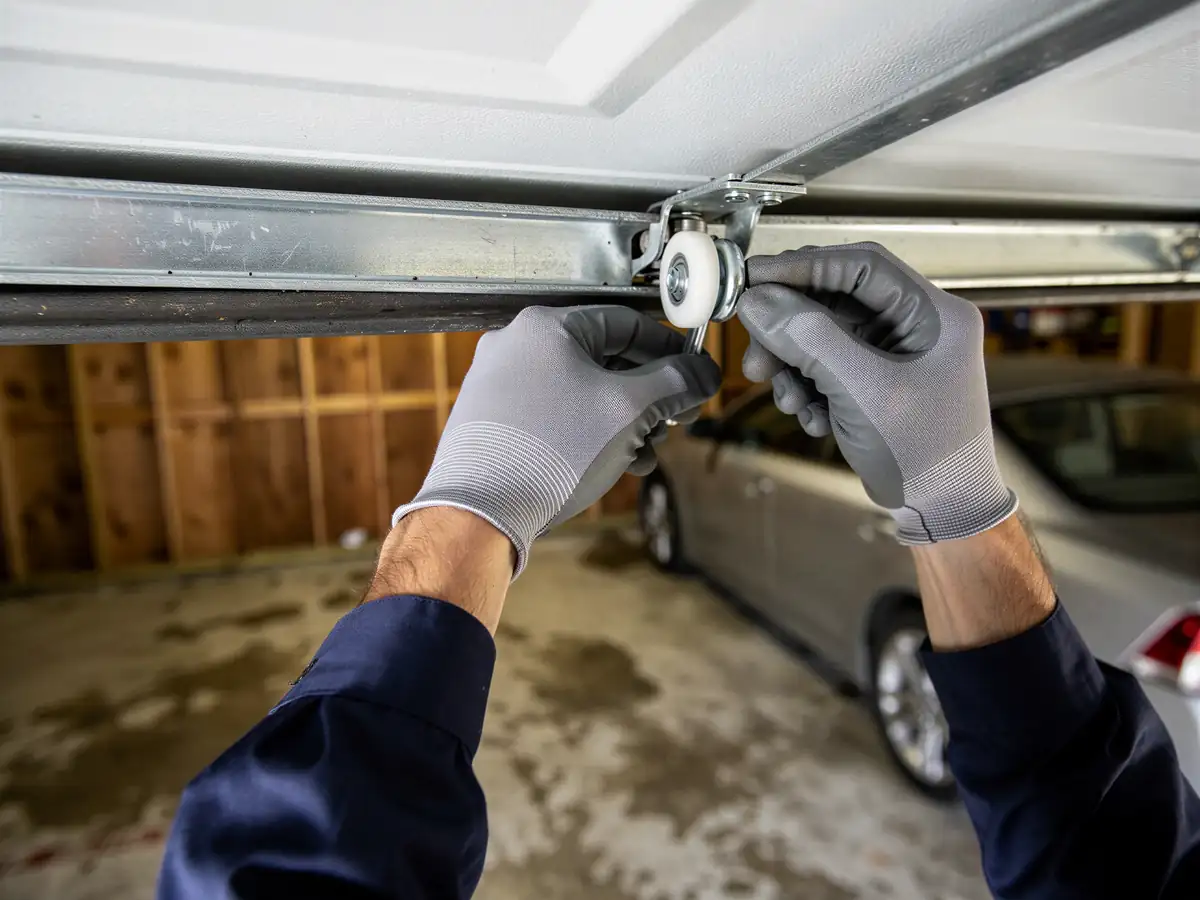
A single nylon roller on a door that still opens and closes fine is a job a lot of homeowners can do with the door disconnected from the opener and the panel propped. The roller slides out of its bracket once you pull the hinge pin, and a new one slides back in. That's genuinely within reach for someone comfortable with hand tools.
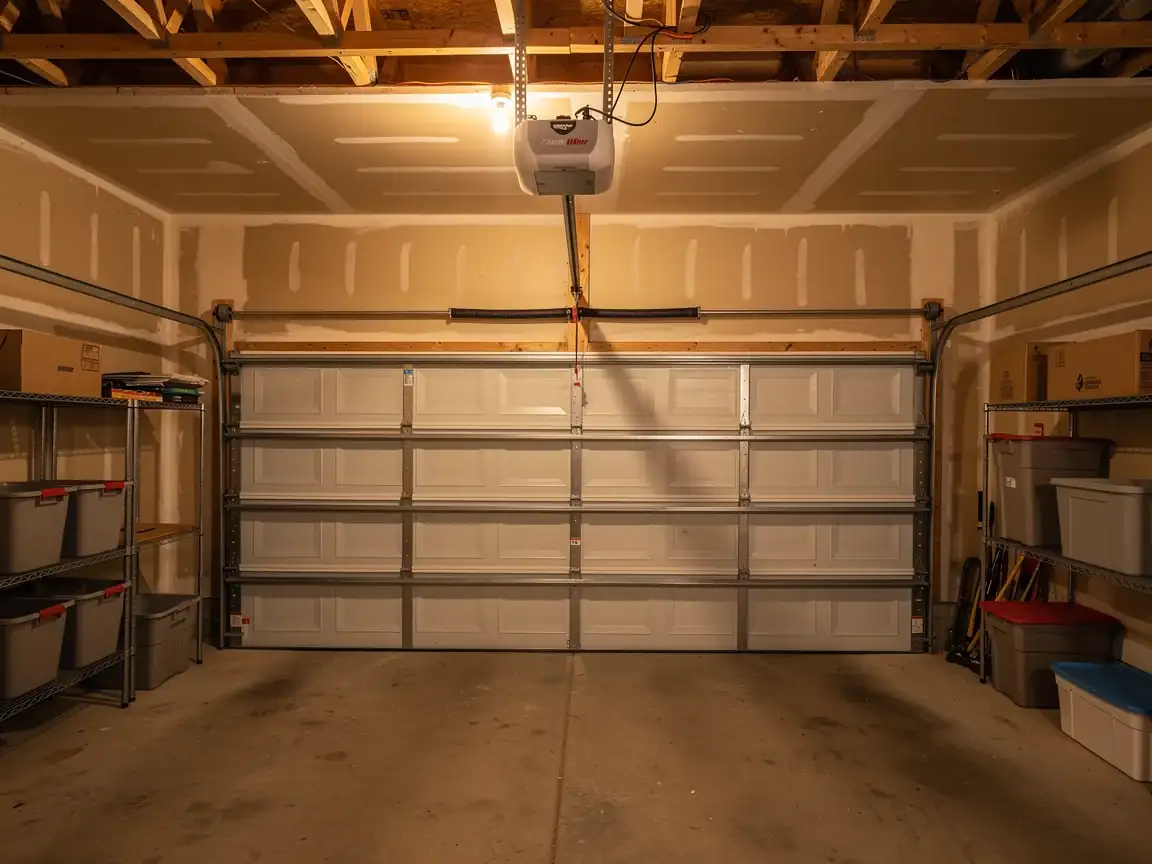
Where it stops being a weekend job is the bottom rollers, which sit inside bracket hardware that's under spring tension, and any roller on a door where the track itself has bent or worn unevenly. On the 1997-era doors common here, we also see rollers that have seized in their bearing and won't pull free without damaging the bracket, which turns a 10-minute swap into a bracket replacement.
Our honest limit: if you're not sure whether your door's springs are under tension or you haven't worked near a torsion spring before, don't start this job. That's not a plug for the call - it's the actual line where a roller swap turns into an ER trip. If it's just the top rollers on a door with a straight track, most people can manage it.
Parts We Carry
For doors in this age range we stock the standard sizes: 7-foot steel rollers with stem, and sealed nylon rollers as an upgrade for the brackets that take them. Sealed nylon runs quieter and doesn't need the periodic lubrication steel does, which is the upgrade most homeowners ask for once they hear the difference.
We also carry replacement roller brackets, since on doors this age the bracket itself is often more worn than the roller - stretched holes, a bent tab, or rust around the mounting bolts from years of steel rollers grinding against them. Swapping just the roller into a worn bracket is a short-term fix at best.
One limitation worth stating plainly: if your door uses a roller size or bracket pattern outside the common range - something we mostly see on older imported doors or custom panels - we may need to order the part rather than pull it off the truck. That's not common on the housing stock in this area, but it happens, and we'd rather tell you up front than promise same-visit parts we don't have in hand.
Why It Happens Here
Roller failure in Ridgeland tends to follow a pattern tied to when the house was built and the climate the door sits in
This area falls in a mild climate band with occasional freeze, which means the door isn't fighting hard freeze-thaw cycles the way it would further north - but it is fighting humidity, and humidity is what eats an open steel bearing. Doors built around the 1997 median here were standard-issue steel roller jobs, and steel rollers with unsealed bearings were the norm before sealed nylon became common.
Twenty-some years of coastal-adjacent moisture working into an open bearing is what produces the grinding noise and the jumpy
Sticking travel homeowners call about. It's not a defect in the original door - it's just what happens to that hardware over that much time in this climate.
Across the wider area we cover, housing stock runs mostly 1980s-90s construction
And Ridgeland sits at the newer end of that range. That's a small factor, but it means the rollers here are, on average, calling for replacement a little later than in the oldest pockets of the service area, not because the hardware is different, just because it's had less time to wear.