The Cost of This Job
What a repair runs in Burton depends on what's actually hanging off your opener bracket
And the age of the house matters more here than in newer parts of the service area. The median home in Burton was built around 1988, roughly six years ahead of the 1994 median across the rest of the territory we cover. That gap sounds small until you're standing in front of a torsion spring that's been cycling since the first Bush administration and has no manufacturer's part number left on the sticker. Older springs cost more to match correctly because we're measuring wire gauge and wind direction off the worn part instead of pulling a stock number.
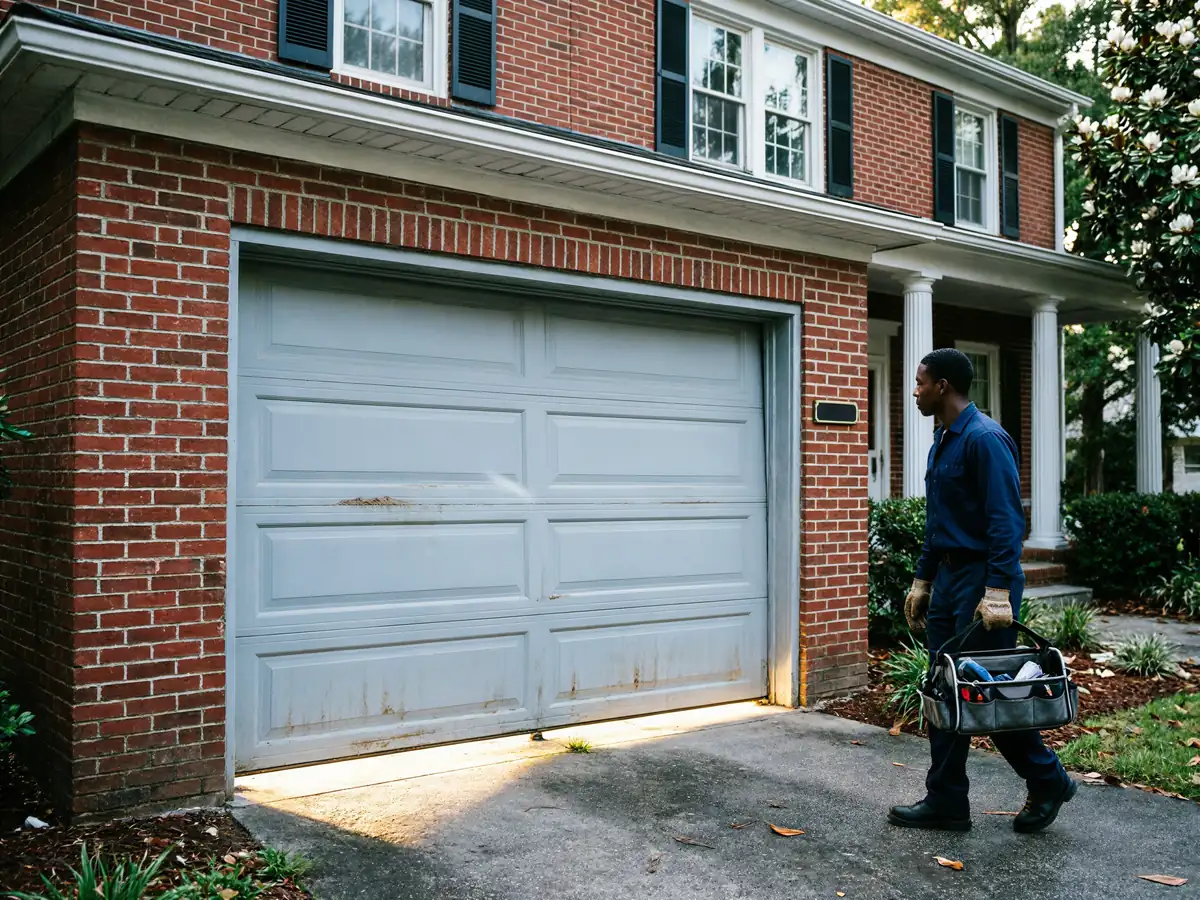
We drive the 18 miles out from our shop in Bluffton for every call here
And that distance is built into how we quote the job - it's not a surprise add-on. At a median household income of $57,315, close to $10,800 below the $68,085 median for the wider area, we try to be straight about when a $200 spring swap solves the problem and when the opener itself is also failing and a bigger number is coming. We won't pad a small job to make the trip worth it, and we won't downplay a second failure to keep the invoice short.
- 18 miles
Parts We Carry
Burton's garage doors skew toward hardware from the late 1980s and early 1990s - torsion springs on older wind-and-wire specs, galvanized track that's been through more humid summers than the newer builds six miles up the road, and first-generation chain-drive openers that predate rolling-code remotes. We stock springs and cable sized for that era, because showing up with only modern parts means a second trip and a second 18-mile drive.
We're in a mild climate with only occasional freeze, so we're not carrying cold-weather lubricants or heated-track kits - that's not a Burton problem. What we do see more of out here is corrosion on springs and hinges that have sat through decades of coastal humidity without ever being replaced. If a part on your door isn't something we carry on the truck, we'll say so up front rather than guess and order it blind.
Can You Do This Yourself
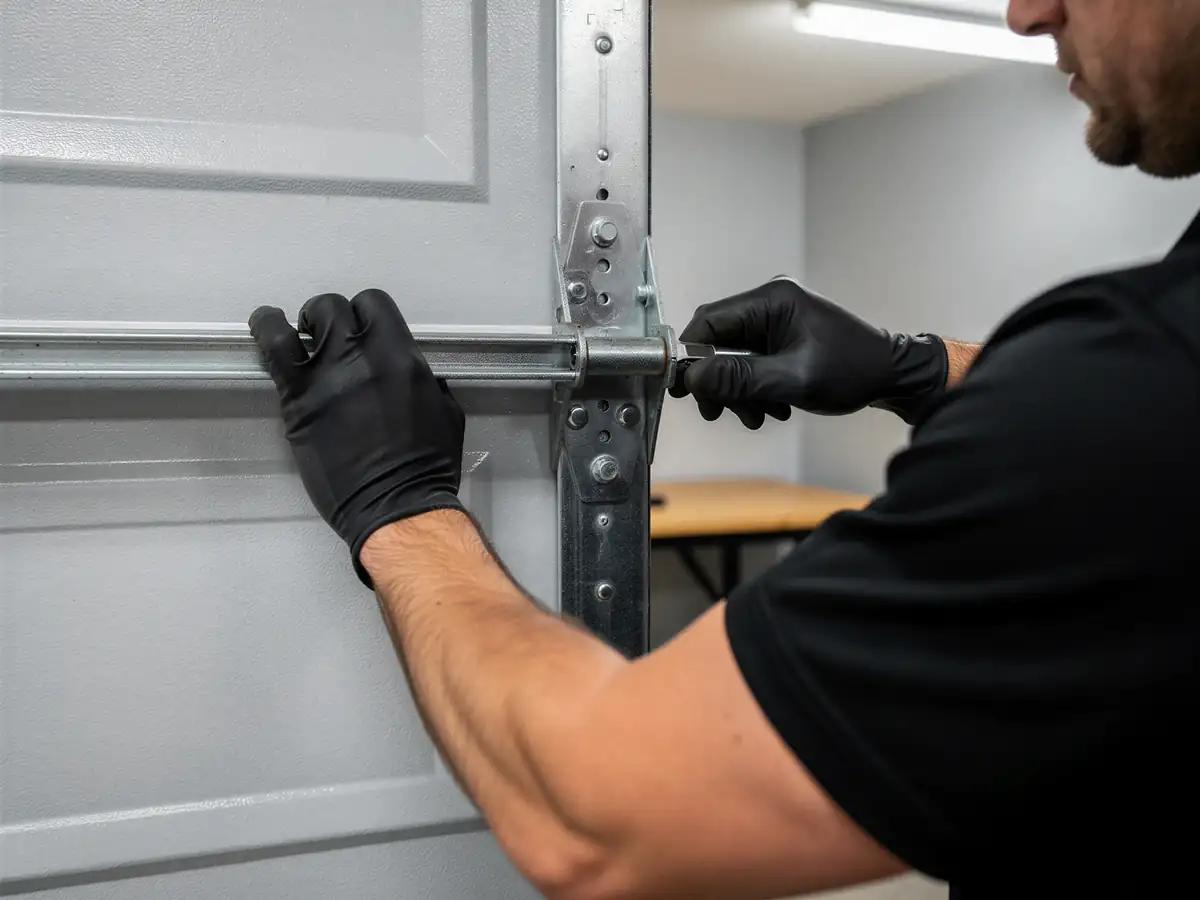
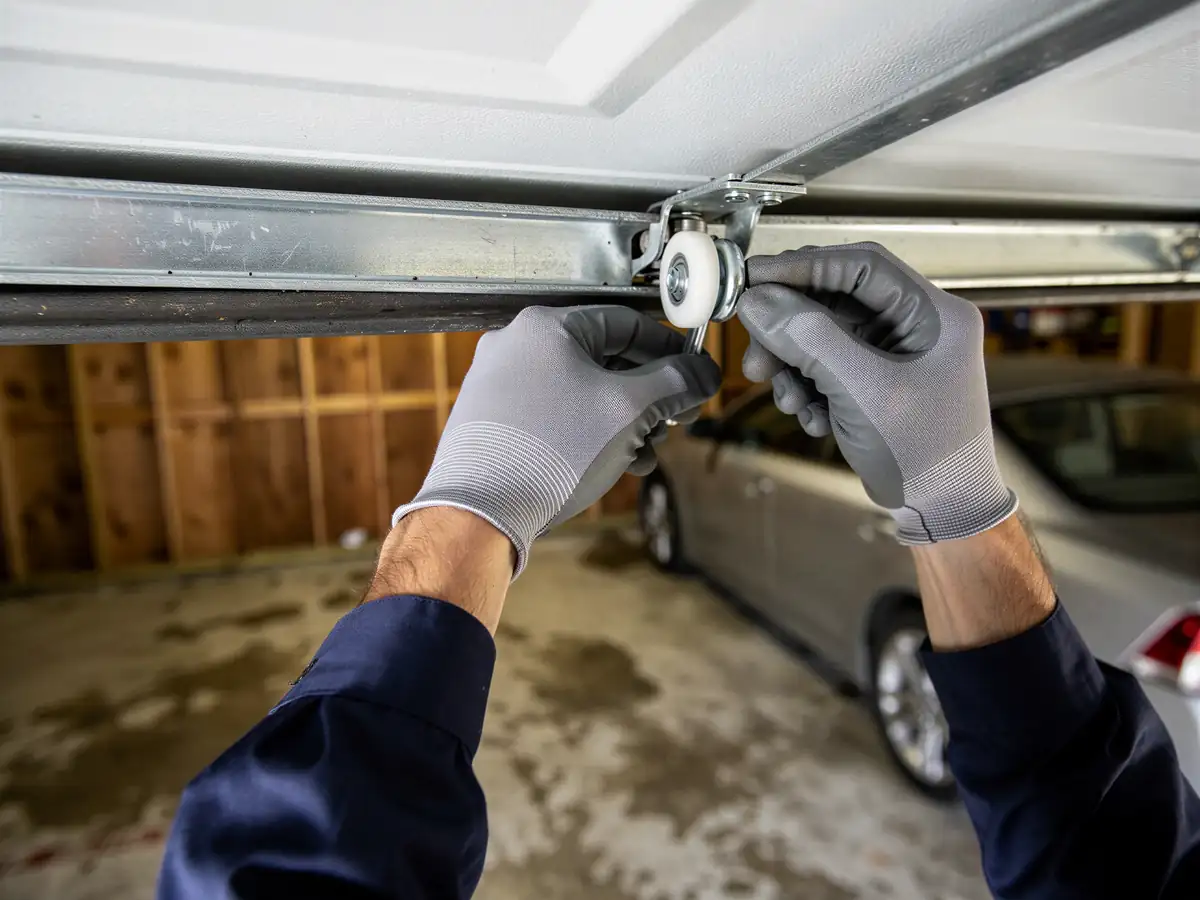
Some of it, yes. Lubricating rollers and hinges, checking that the photo-eye sensors are aligned and clean, tightening loose bolts on the track brackets - all of that is fair game with the door down and the opener unplugged. None of it requires a call to us.
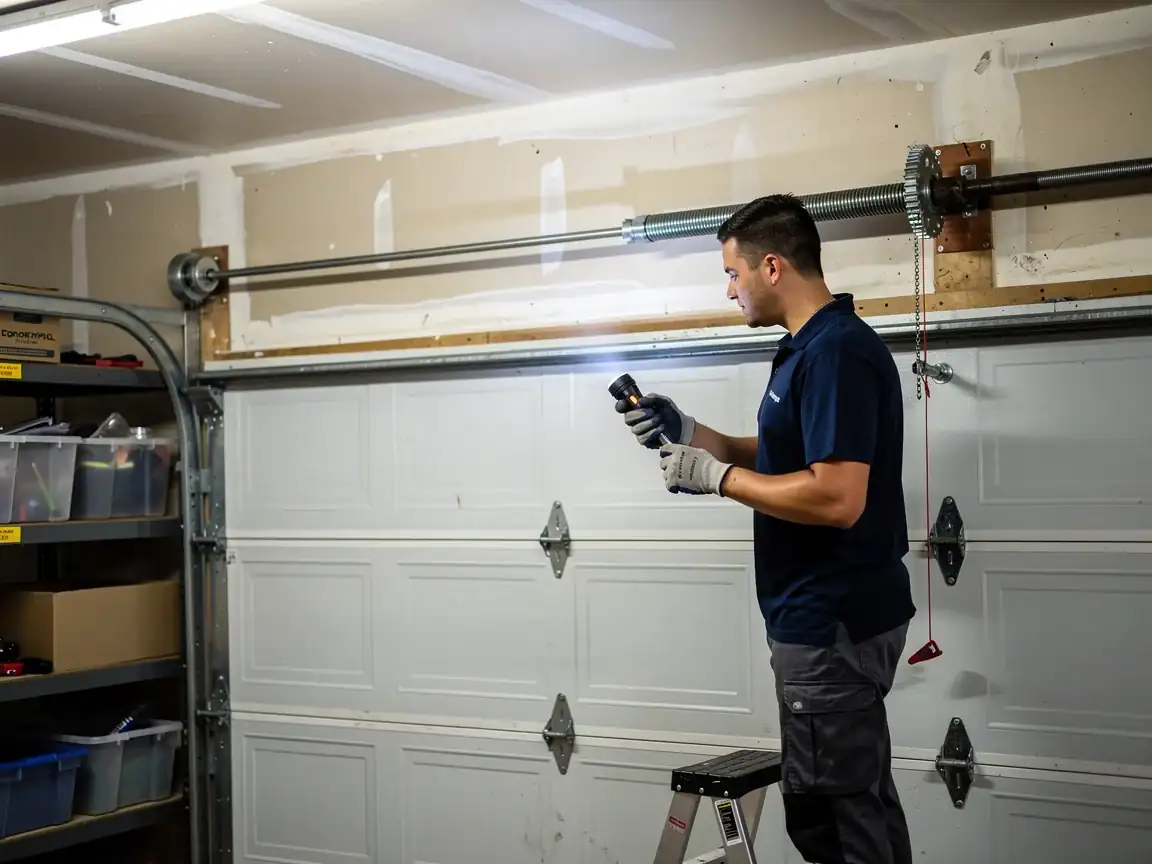
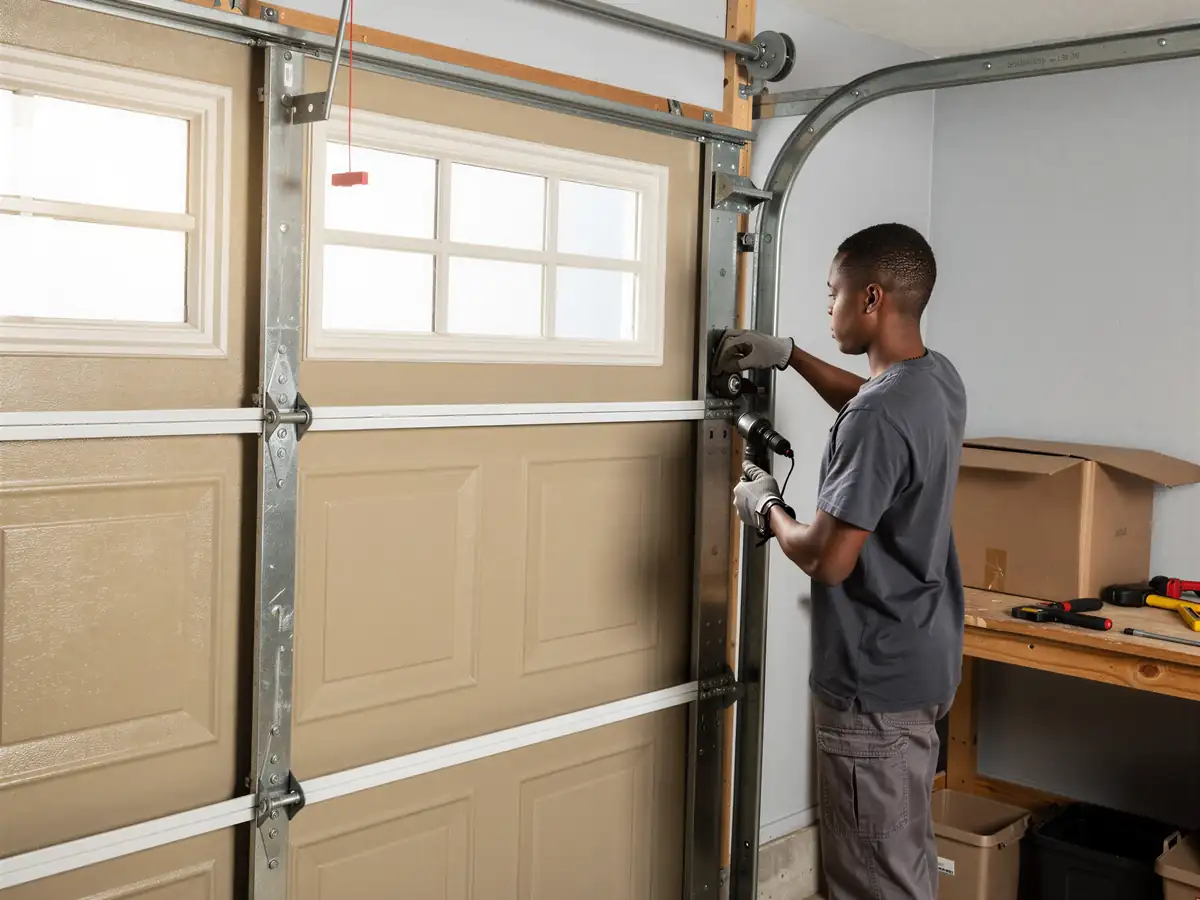
Spring work on a door this age is a different matter, and it's the one place we're going to tell you plainly not to try it yourself. A torsion spring from a 1988-built house has been wound and released tens of thousands of times, and the galvanized coating on older coils doesn't always show the fatigue that's actually there. These springs are under enough stored tension to cause real injury if they let go while you're working near them, and we'd rather you call and wait for the drive out than have us pick up after a DIY spring job gone wrong. If the door won't budge and you hear a bang before it stuck, that's almost always a broken spring - stop there and call.
What Can Go Wrong
The most common failure we see on Burton's older stock is a broken torsion spring
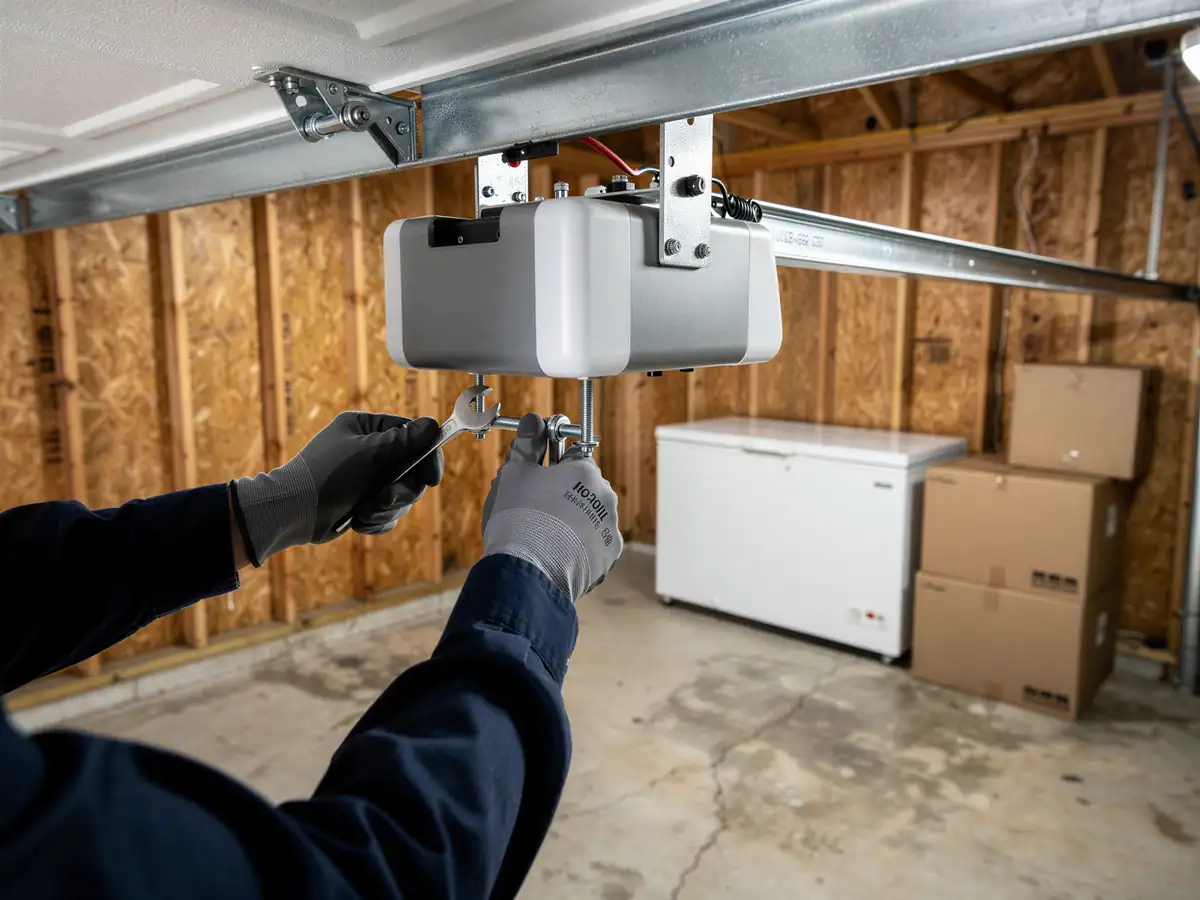
Often the first time it's ever been replaced since the house went up. Close behind that: opener motors from the chain-drive generation that are drawing more current than they should and starting to stall partway through the cycle - a sign the gear set inside is wearing out, not just the belt or chain.
Burton's 2,606 households sit on the smaller end of the communities we cover
But the age of the stock means more of those doors are due for spring and roller replacement than you'd find in newer developments nearby like Palmetto Bluff, where the original hardware hasn't had three decades of cycles yet. Cable fraying at the bottom bracket is another one we catch often, usually after a panel's taken a bump and nobody noticed the cable start to unwind. None of this is exotic - it's wear, on time, on a 1988 door that's done its job for a long while.
- 2,606 households