The Cost of This Job
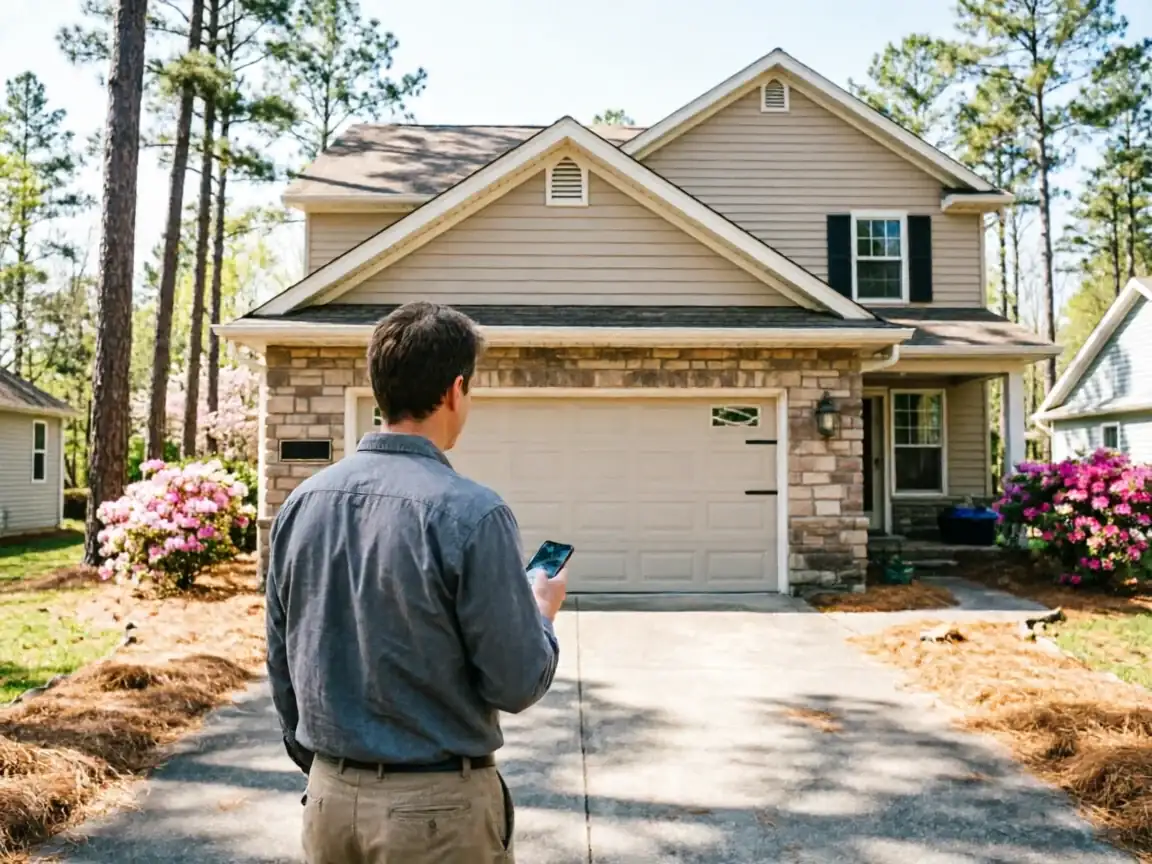
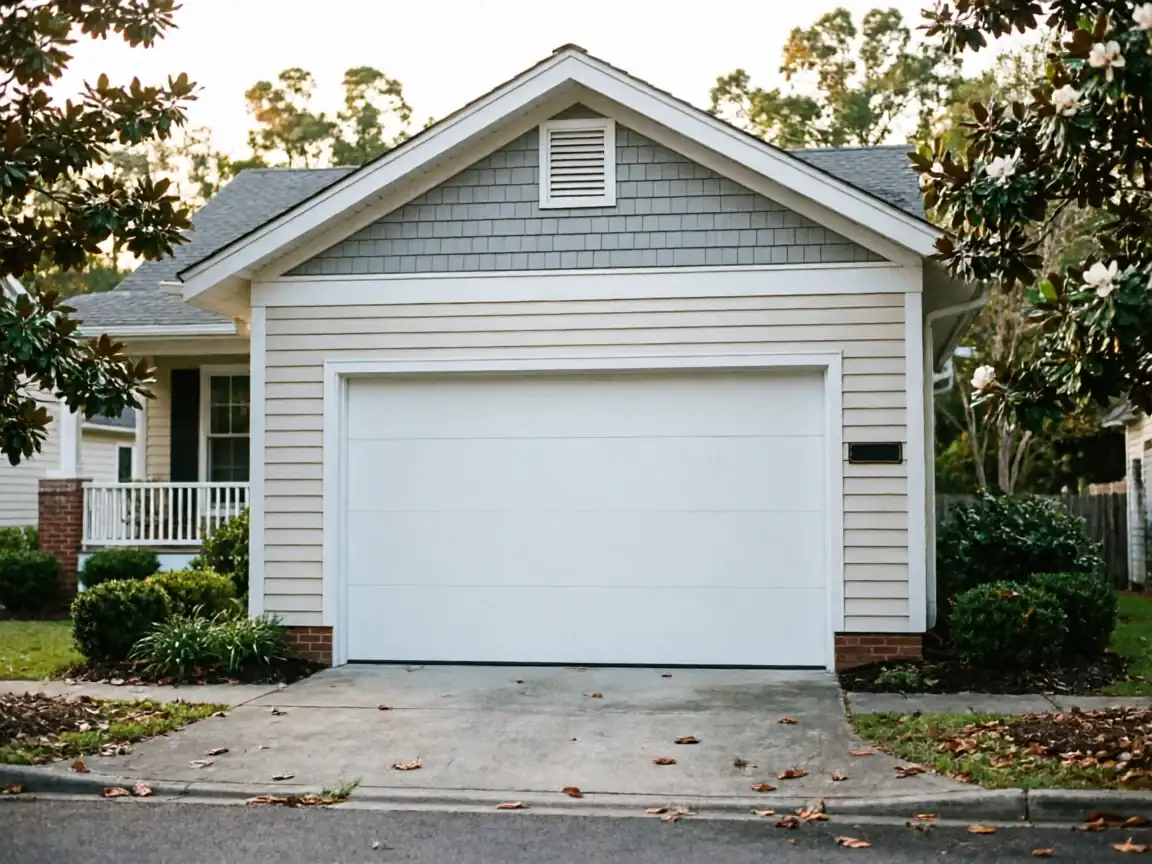
Burton's housing stock centers on 1988, a few years ahead of the wider service area's 1994 median and squarely in the run of 1980s-90s construction that covers most of this part of the county
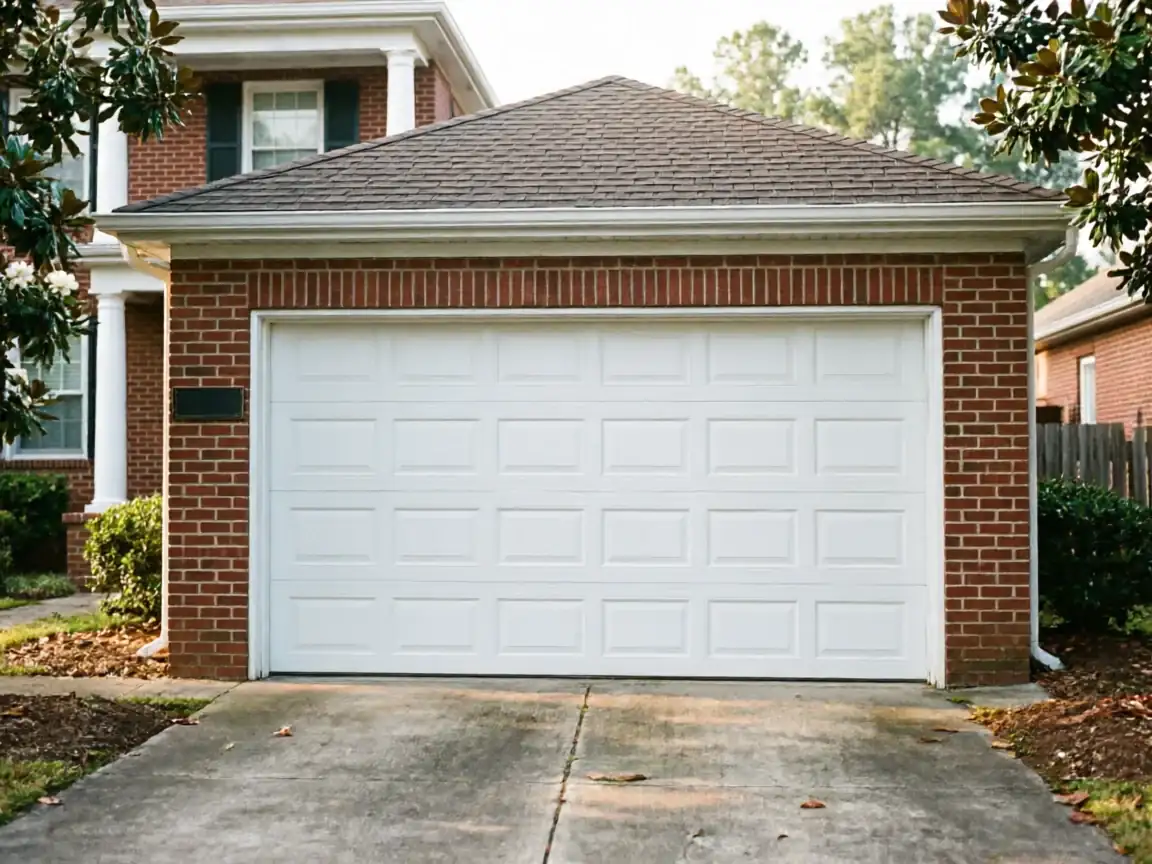
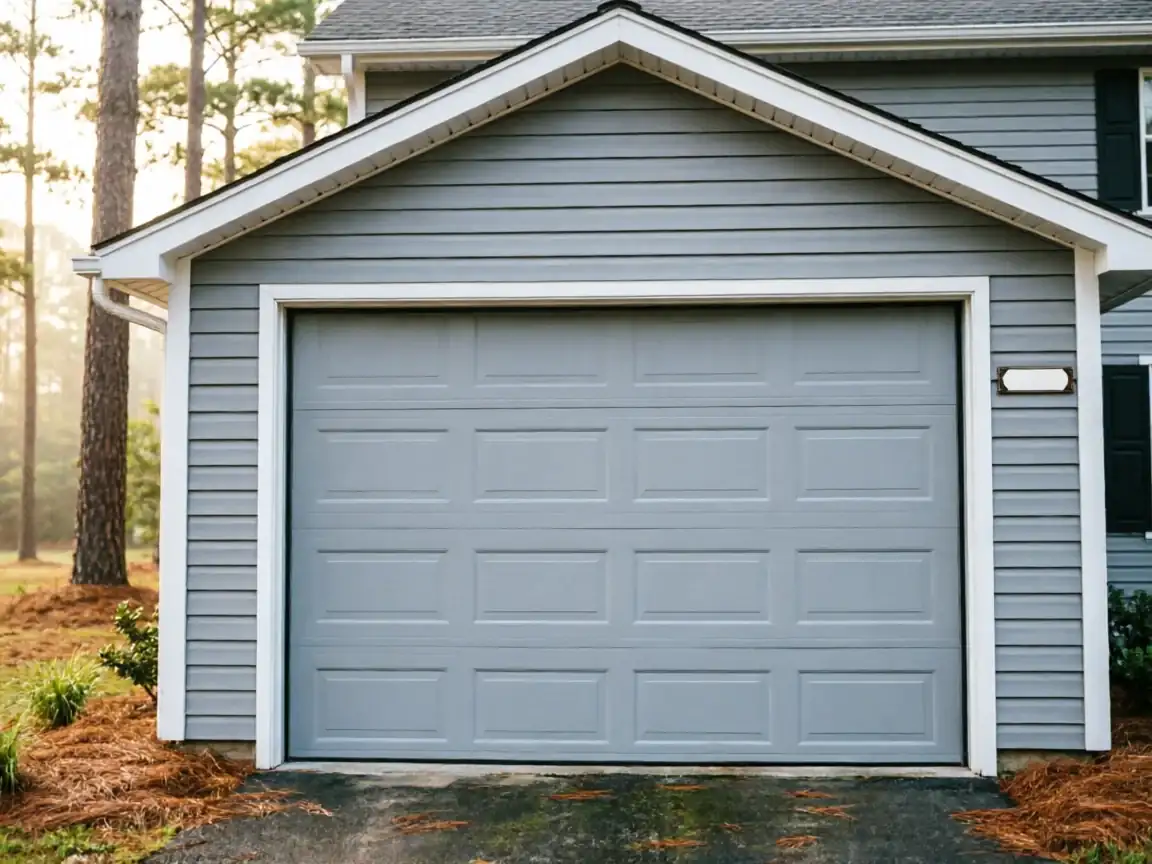
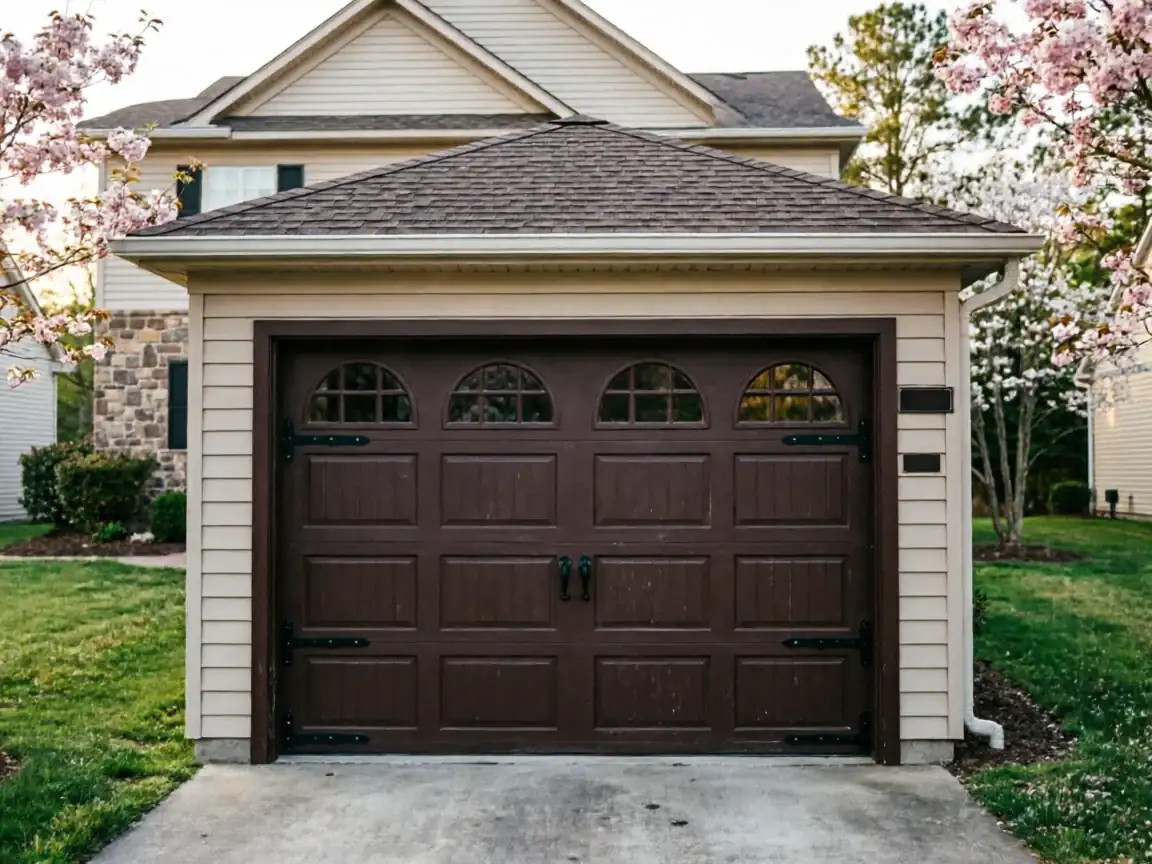
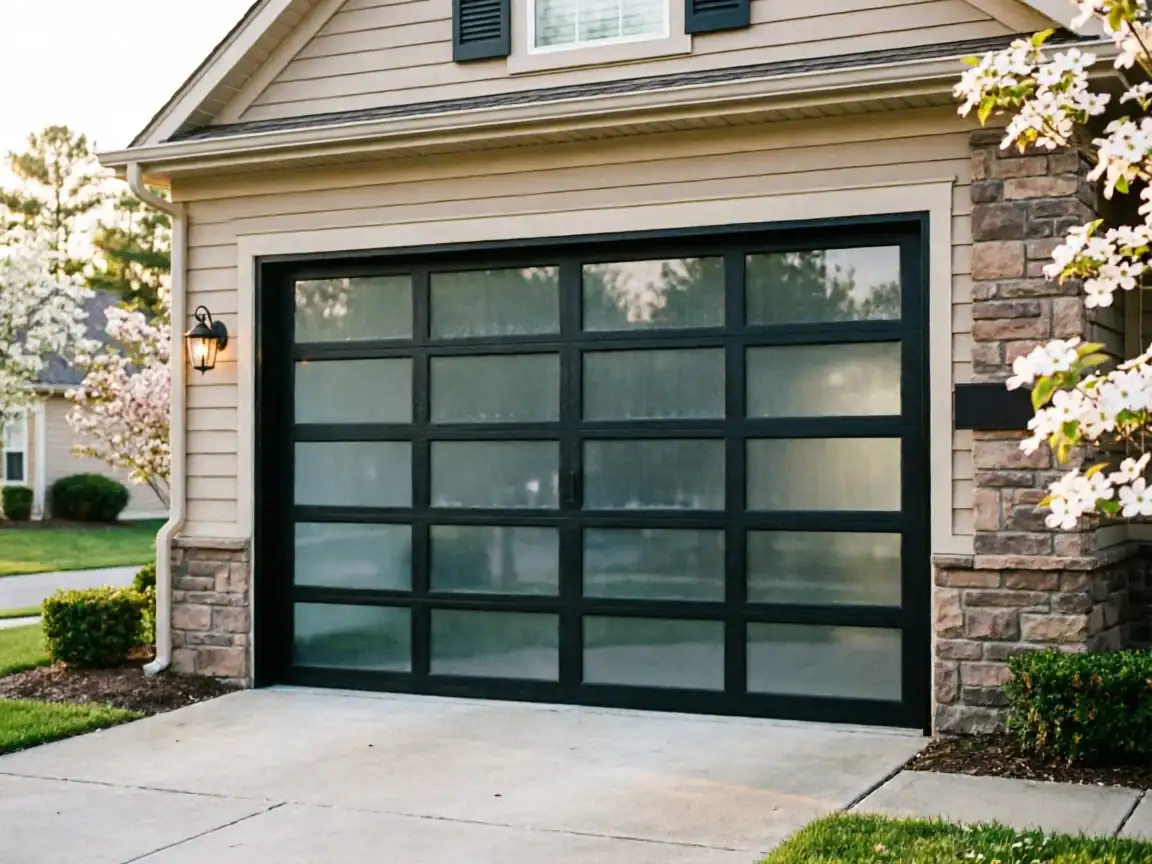
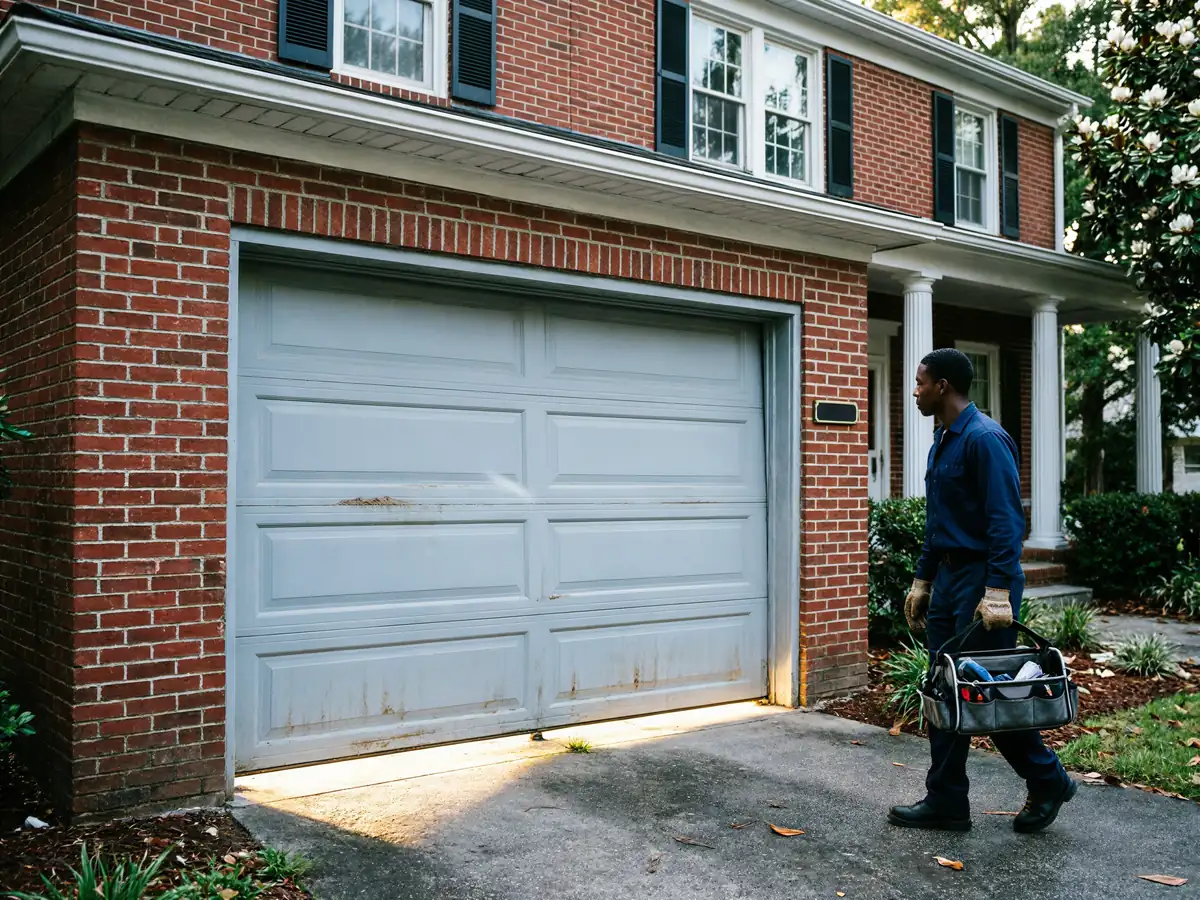
That matters for panel replacement because doors built then came as plain steel sectionals, usually without foam-core insulation and often without raised-panel detailing. A single-panel swap on a door like that is usually simpler than on anything made after 2000, since there's no added foam layer to match and no composite skin to source. The harder number for Burton owners is income, not age: median household income here runs $57,315, well under the $68,085 median across the rest of the service area. That gap is worth saying out loud, because it's the number that decides whether a full door swap or a single-panel fix is the right call on a given job, and we price toward the repair when the hardware allows it rather than defaulting to replacement. We quote the job after seeing the door, not over the phone, because panel matching on an 80s-era steel door depends on what's still available for that specific model and gauge.
We don't carry a universal price list because panel cost swings hard based on whether we're matching an embossed panel, a flat one, or dealing with a seam that's already rusted through
Parts We Carry
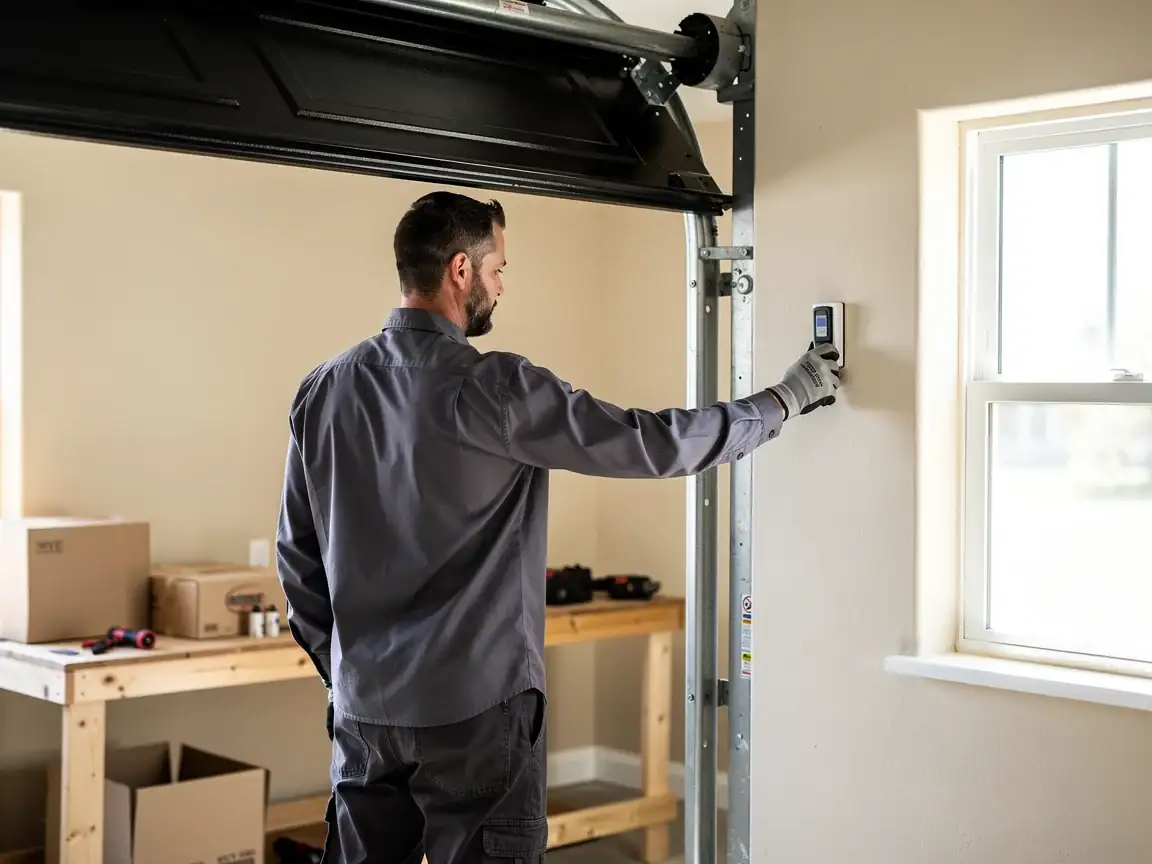
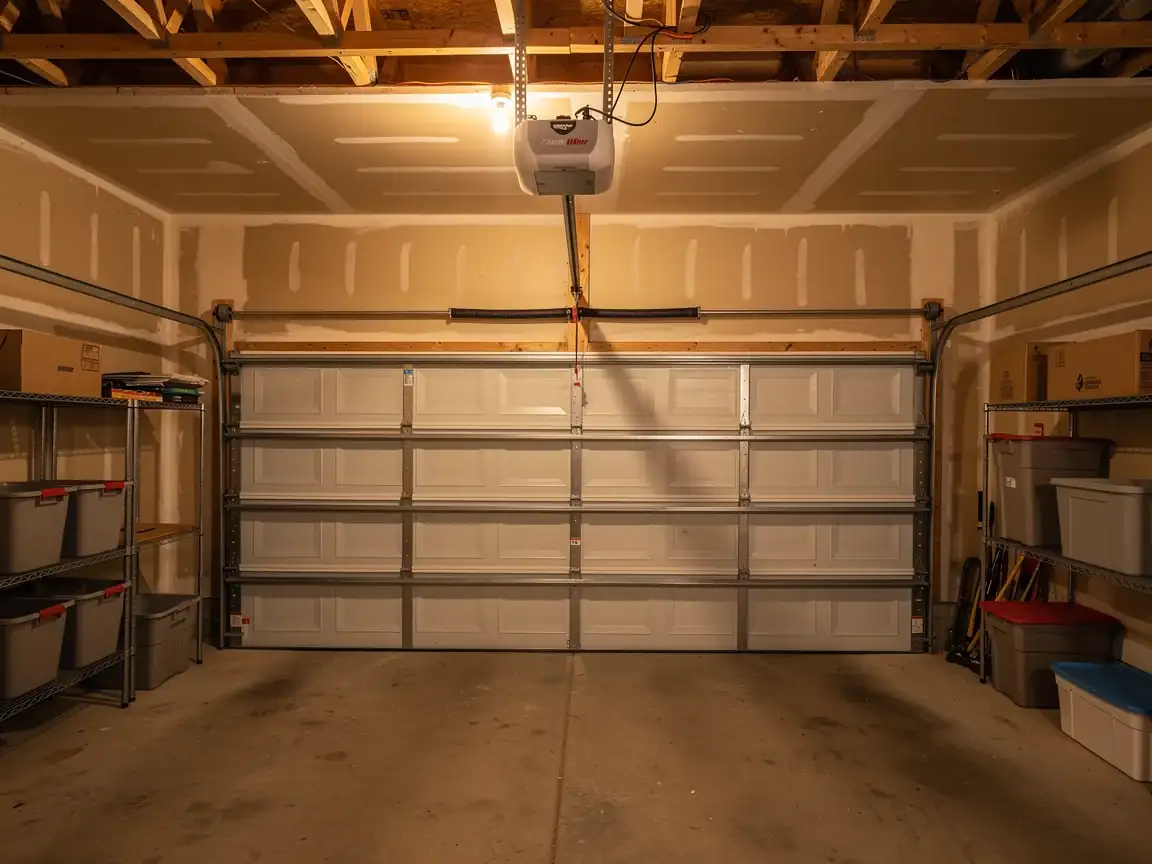
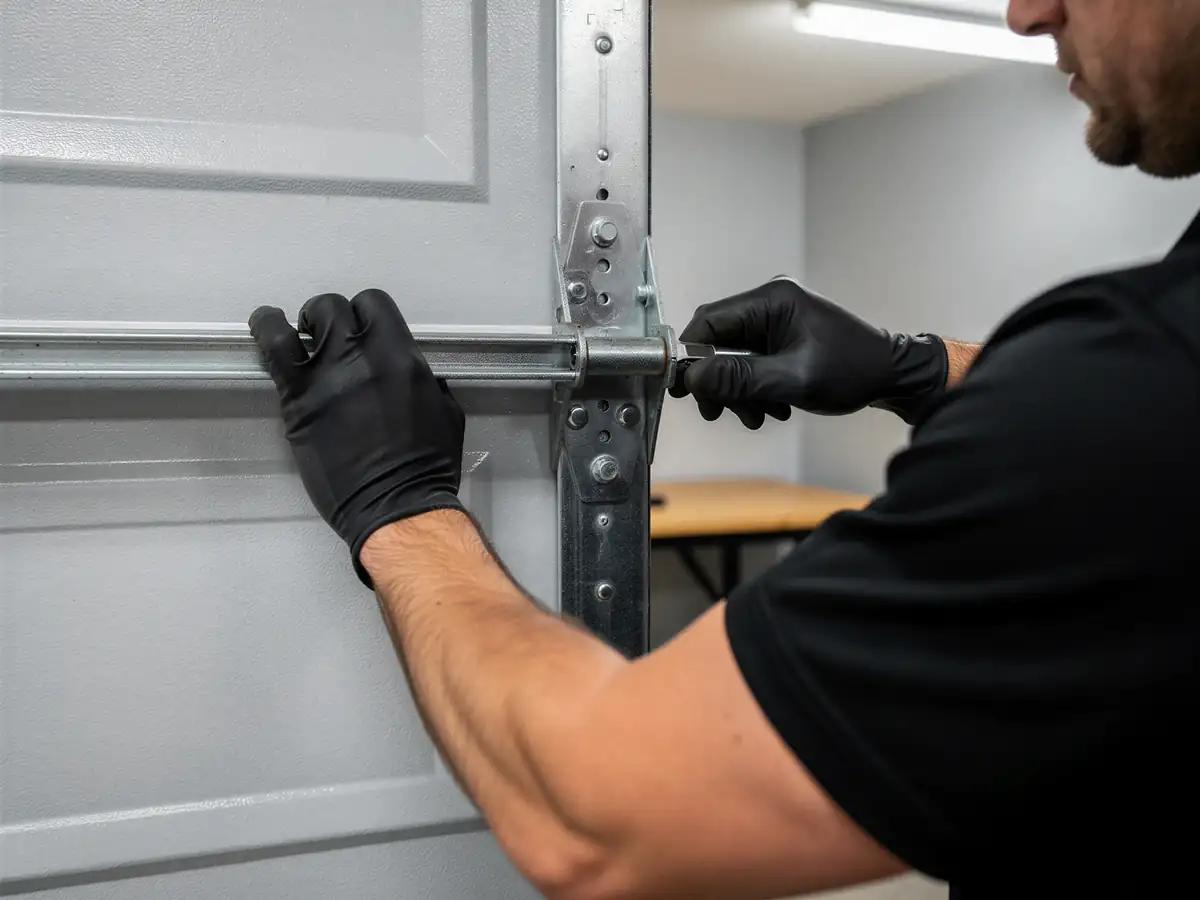
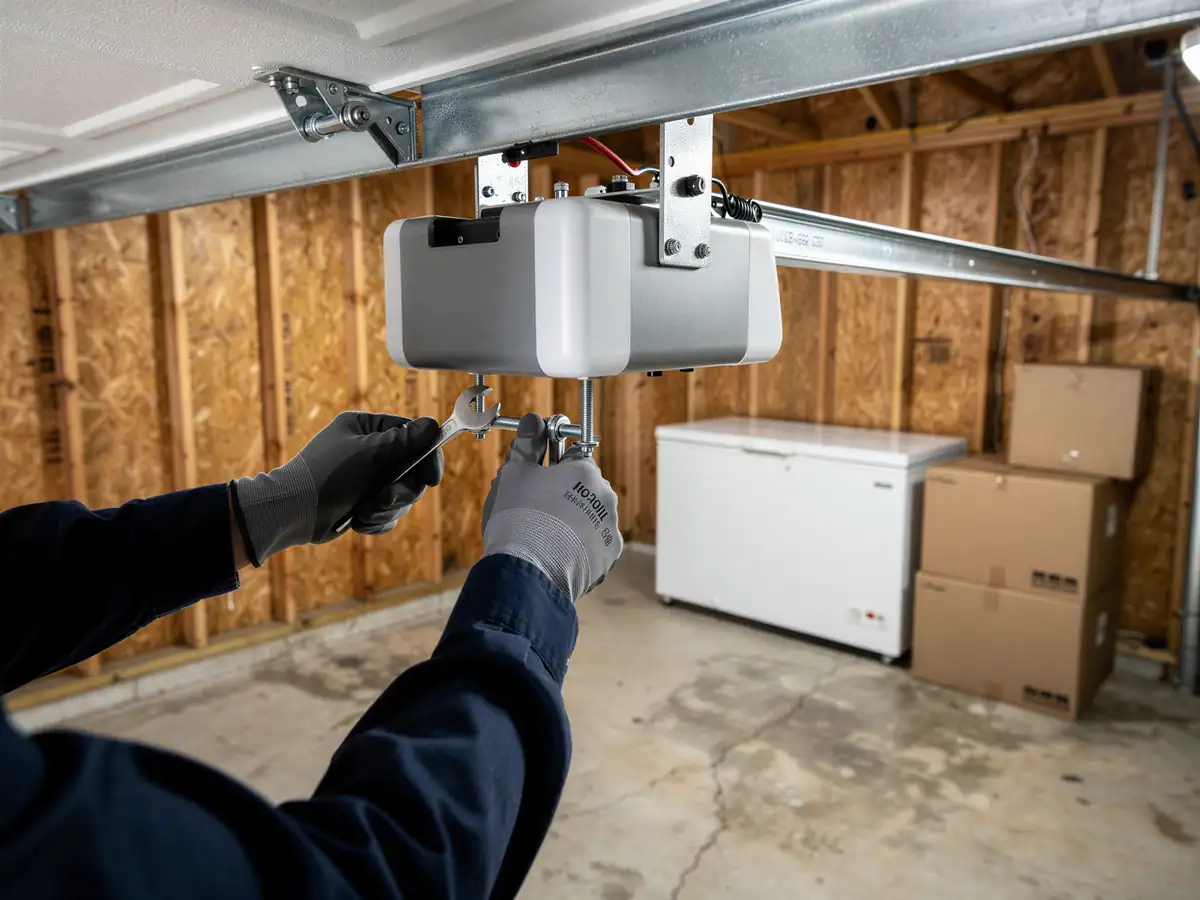
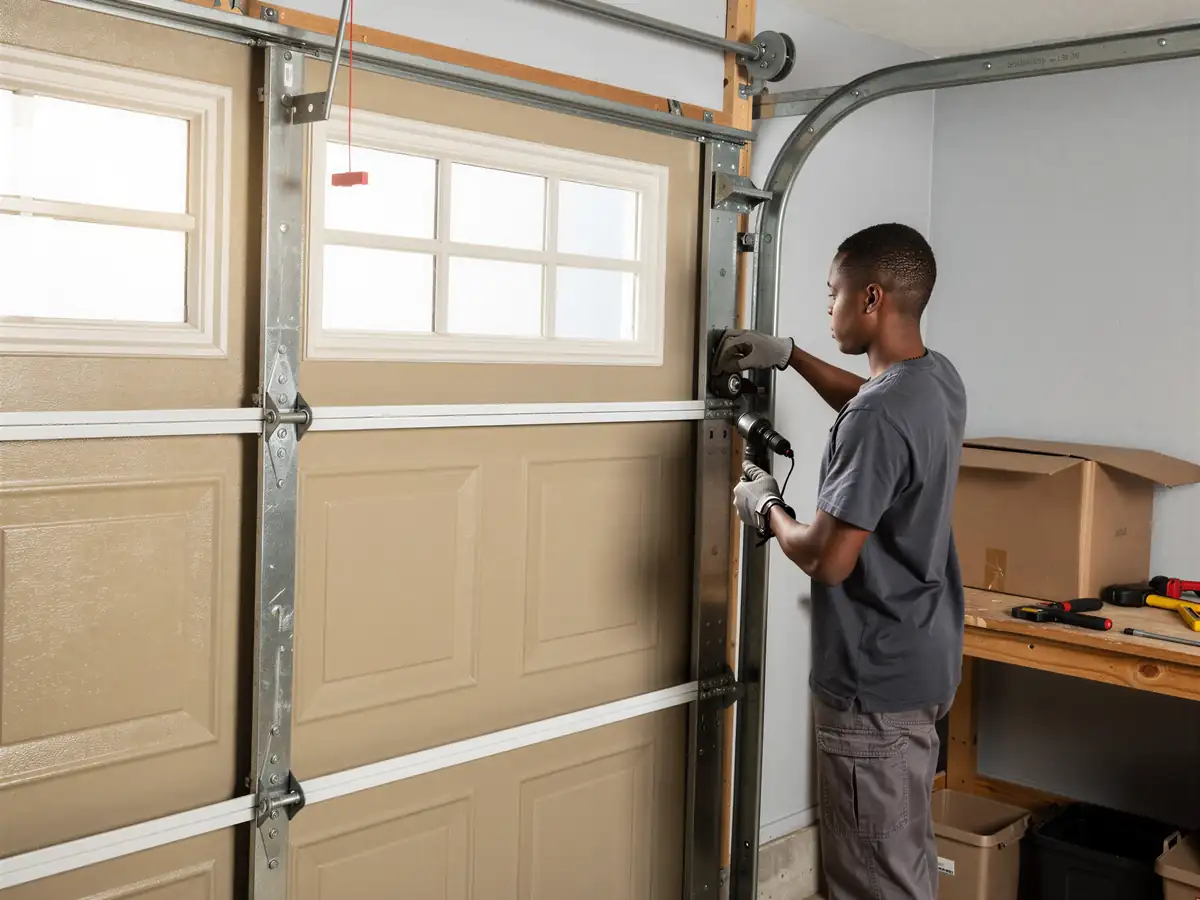
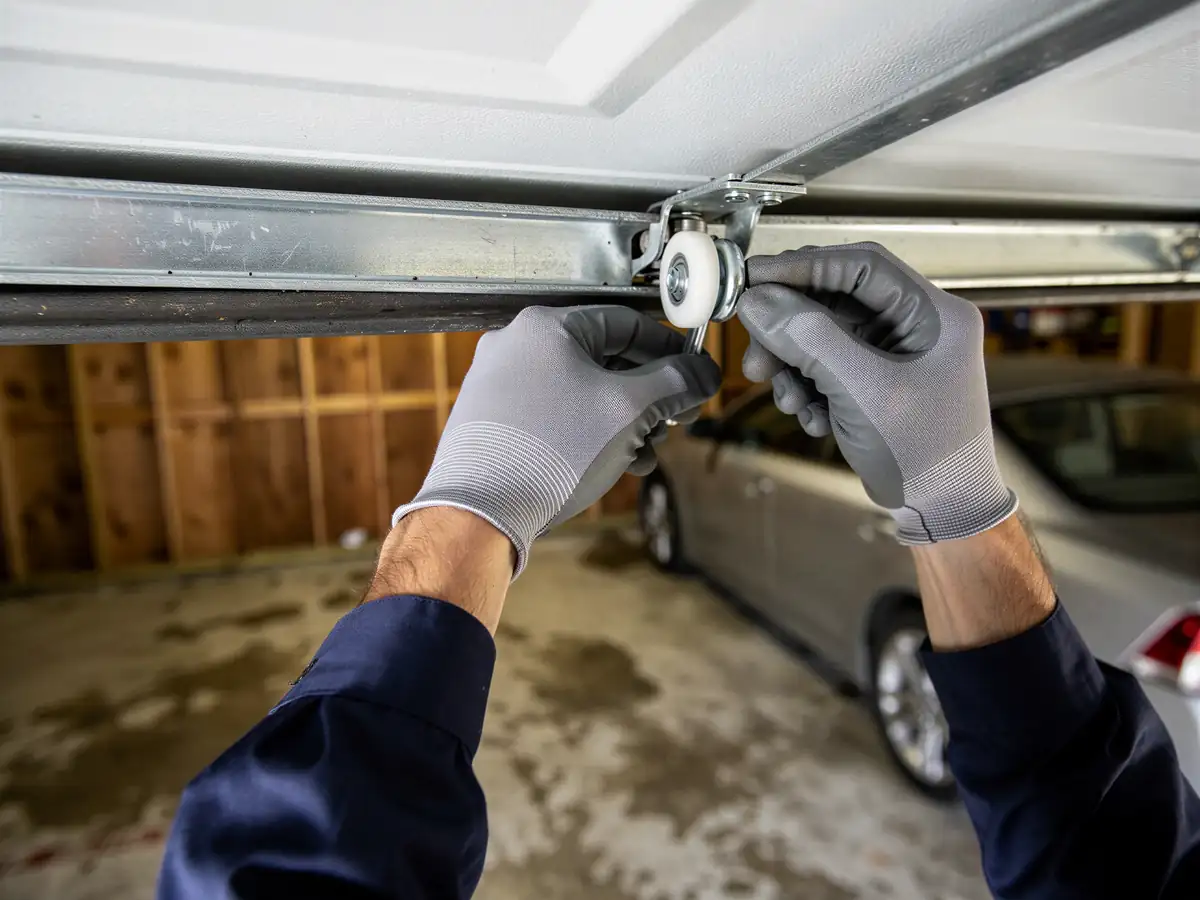
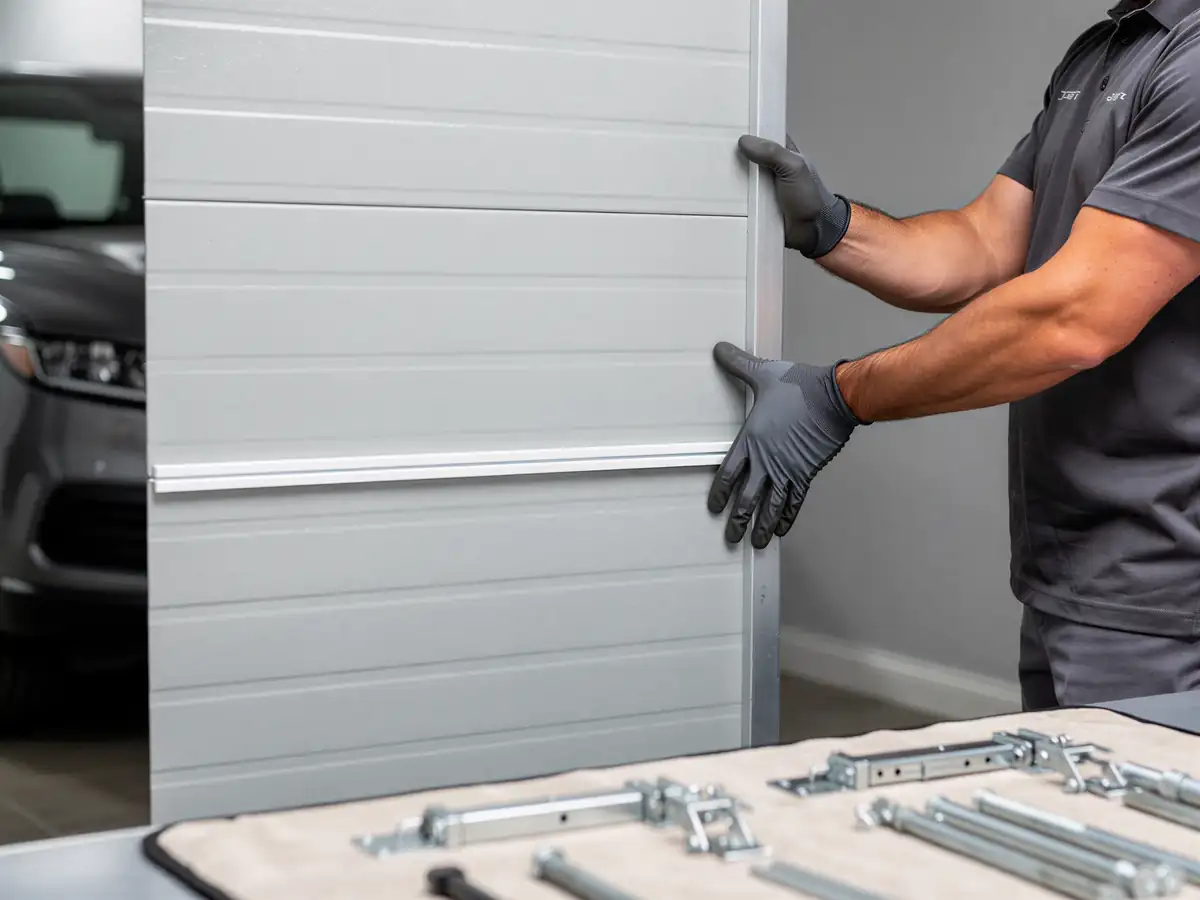
We stock common steel panel sections and the hardware that goes with doors from the 1988-2013 build window, since that's what fills Burton and the rest of the service area around it. For a door built in 1988 specifically, that typically means a non-insulated or single-layer panel, galvanized hinges, and either extension springs overhead or early torsion bar setups depending on who installed it. We carry replacement end hinges, center hinges, and the fasteners that 80s steel doors use, which differ slightly from the hardware on anything built after the mid-90s insulation push. What we don't keep on the truck is a match for every discontinued embossing pattern. If your door's panel design was dropped by the manufacturer years ago, we tell you that up front instead of promising a seamless match we can't deliver - that's the one honest limit on this job. In that case the choice is a visible mismatch on one panel, a full door swap, or living with the dent until the whole door needs replacing anyway. We'd rather say that plainly than order a part that won't look right once it's hung.
Can You Do This Yourself
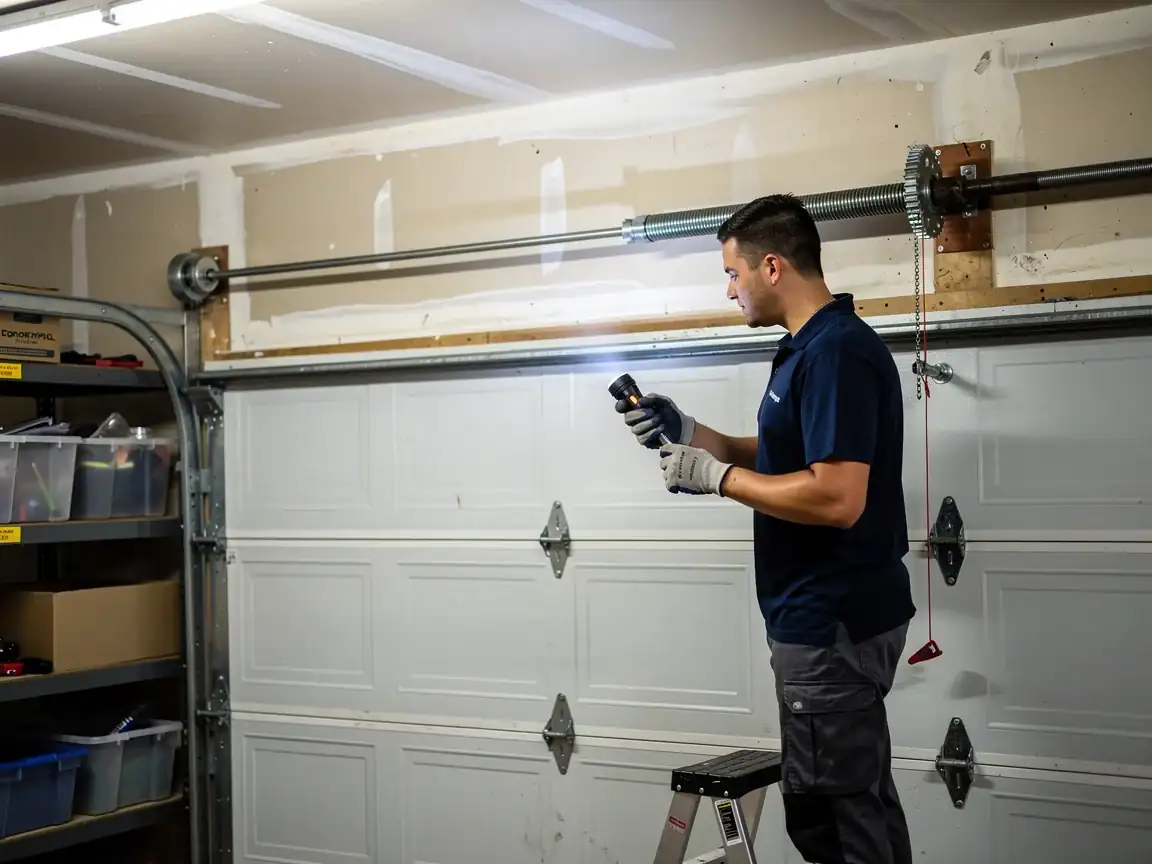
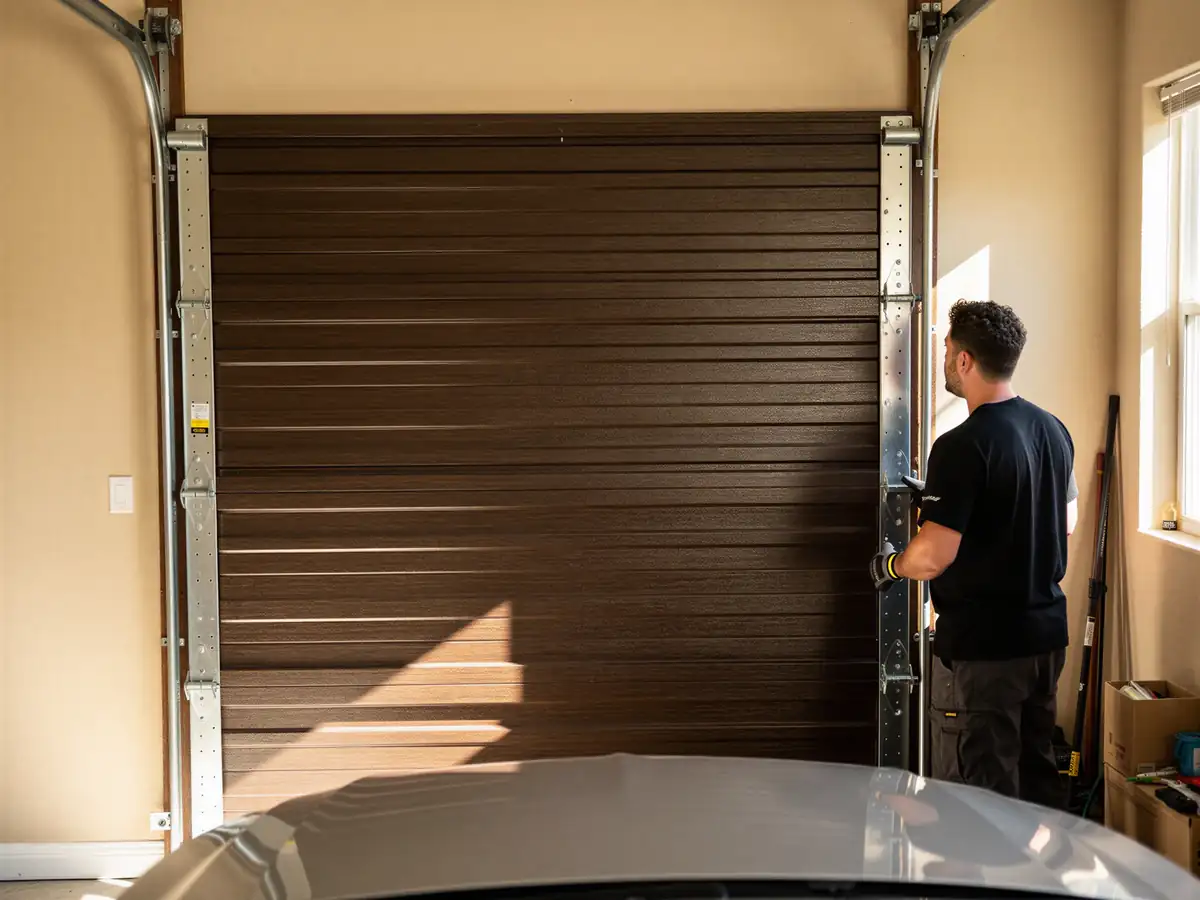
Swapping a single steel panel on a sectional door isn't the hardest job in a garage, but it gets harder fast on a door this old. The track alignment on a 1988 door has usually shifted a little over 35-plus years, so a panel that measures fine on paper can still bind once it's bolted in if the rest of the door isn't square. Extension spring doors, common in that era, also carry enough stored tension that pulling the wrong bolt under load is a real way to get hurt, more so than with a modern torsion setup. If you're comfortable with hand tools and willing to take the door apart section by section, a bottom panel with no spring involvement is a reasonable DIY swap. Anything above the bottom section, or any job that touches the spring system, is where we'd tell you to stop and call someone, not because the work is exotic but because the consequences of a slipped bar or a dropped section are not minor. Burton is 18 miles out from Bluffton, so we're not the fastest call if something goes wrong mid-job - plan the work for a day when that's not a problem.