The Cost of This Job
Burton's housing stock centers on 1988
Which puts it ahead of a lot of the newer construction going up closer to Bluffton proper, where the service area's median build year runs closer to 1994. That six-year gap matters on a quote. Openings from the late '80s were often framed to a slightly different rough opening than what door manufacturers ship standard today, so a straight swap sometimes needs a jamb kit or a bit of trim work before the new door ever goes up. We also factor in the drive - it's about 18 miles out from our Bluffton base, and that's built into how we schedule the job, not into the door itself.
- 18 miles
Median household income in Burton runs $57,315
Below the $68,085 average across the wider service area we cover. That doesn't change what a door costs, but it does change what we lead with on a quote: we start most Burton conversations with a standard steel raised-panel door rather than the insulated composite lines we might open with elsewhere, and work up from there if the homeowner wants more.
We can't give you a number here without seeing the opening
Door size, insulation level, and whether the old track needs replacing all move the price.
Parts We Carry
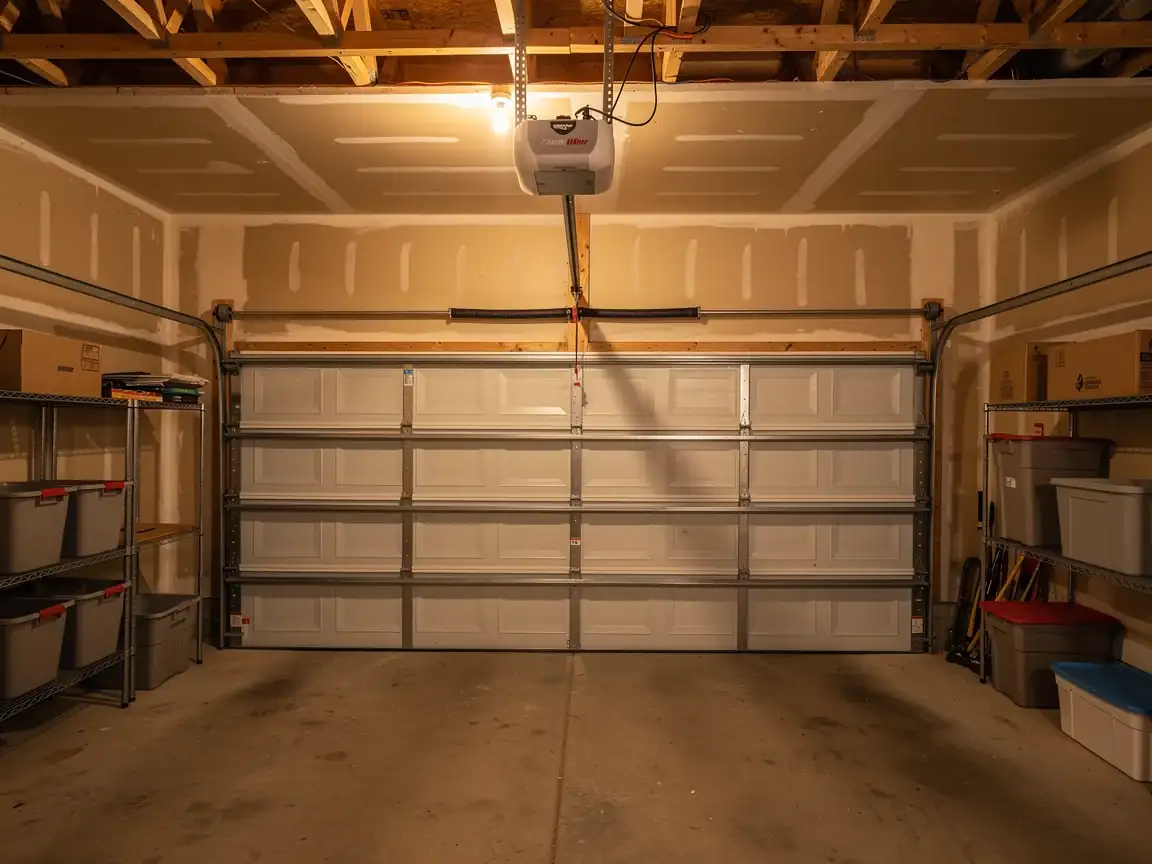
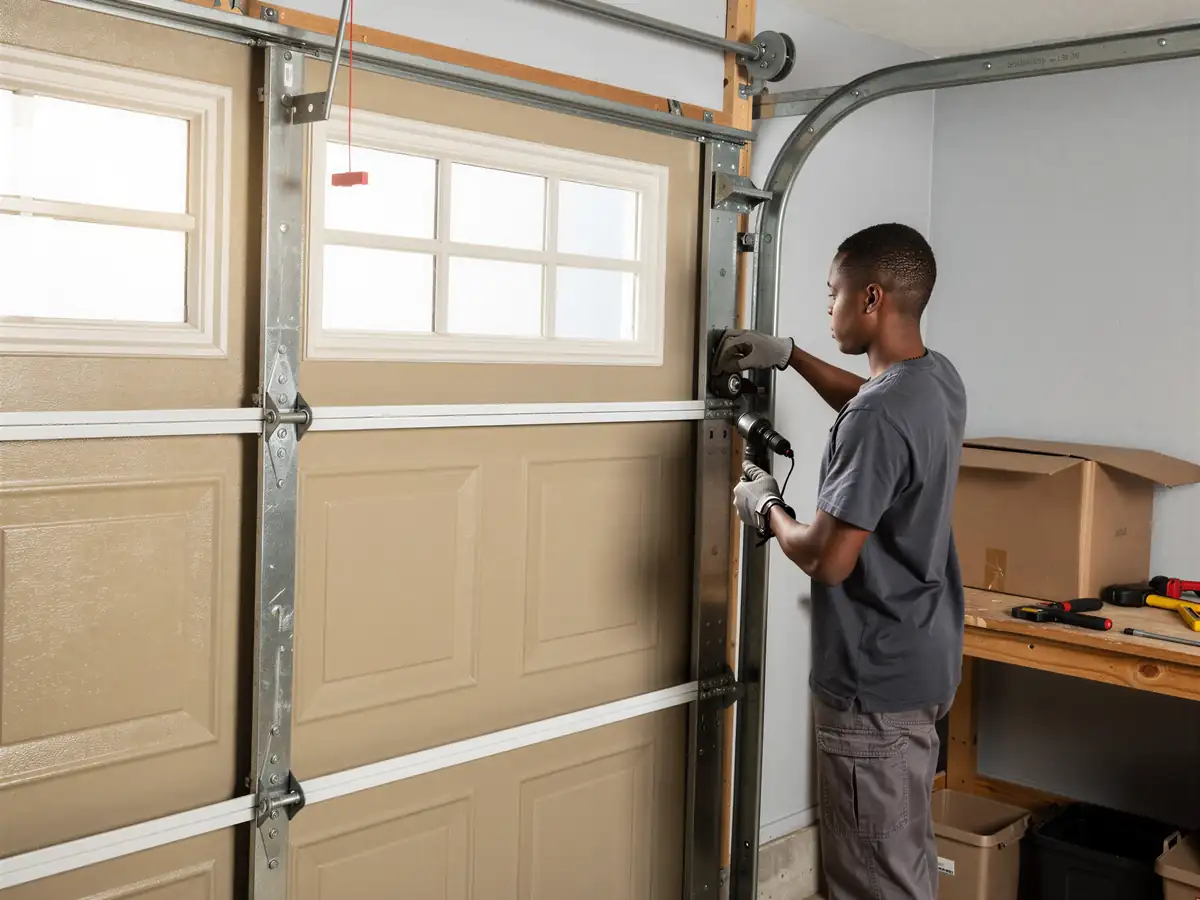
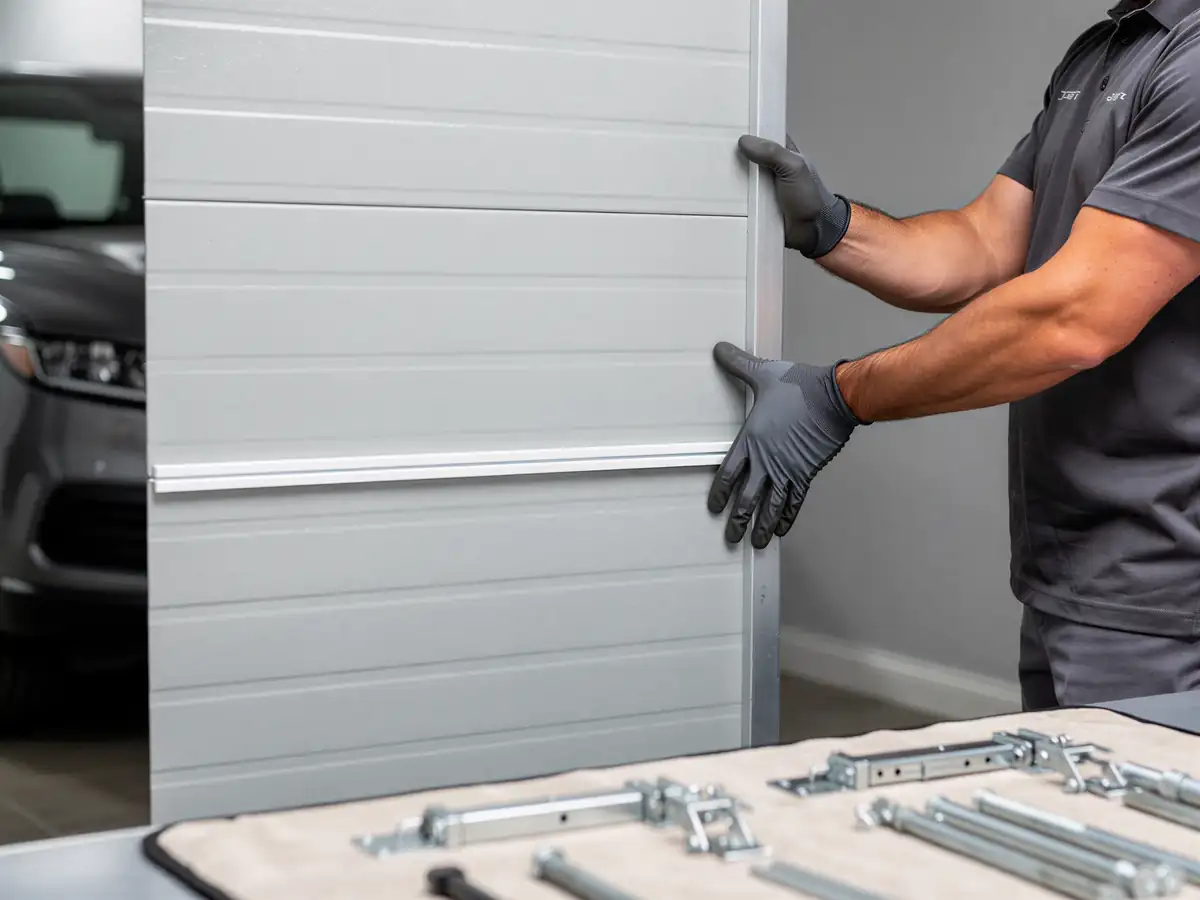
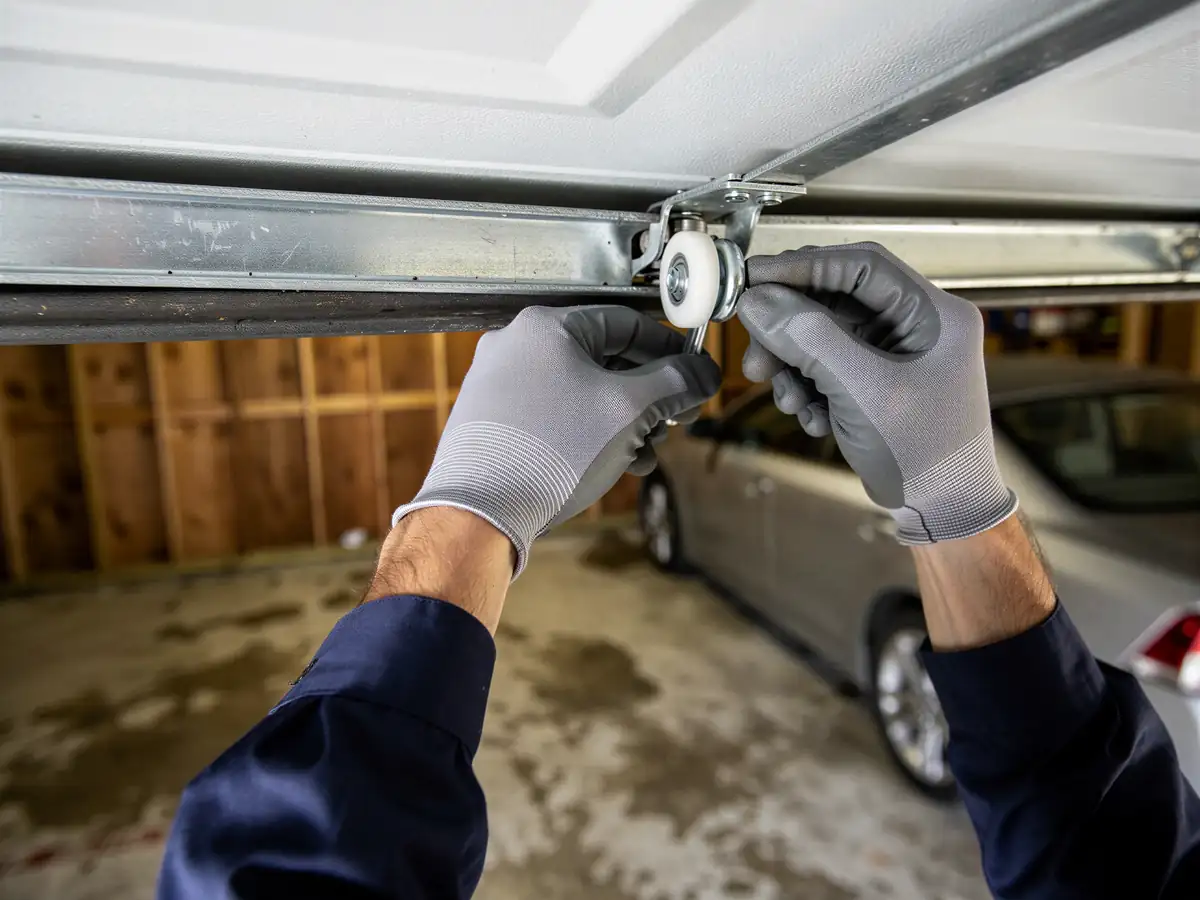
A door going up in a home built around 1988 usually means a 7-foot or 8-foot steel door on a standard torsion or extension spring setup - nothing exotic, but also not what's on the shelf for a 2015-build opening. We stock the common widths and the standard-lift hardware that fits houses from that era, including the track brackets and jamb hardware that match older framing.
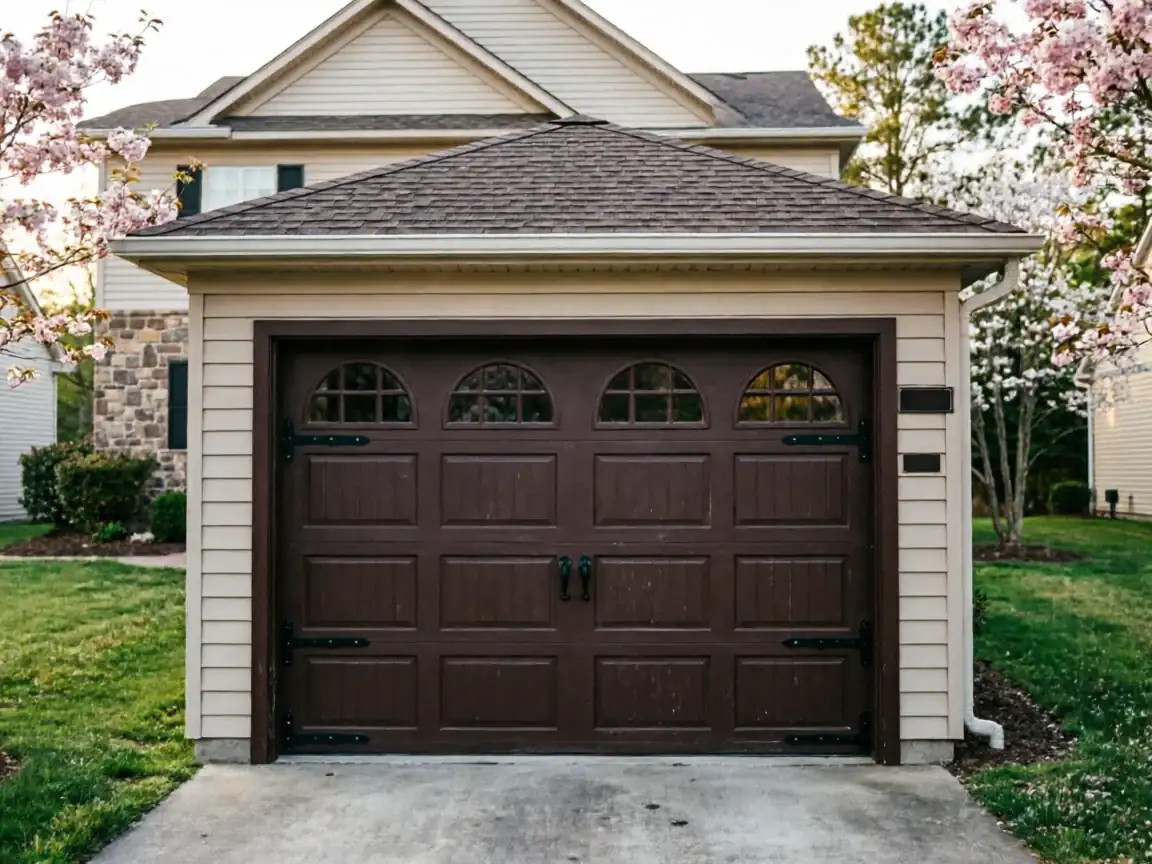
What we don't keep on the truck is anything custom - carriage-house doors with specialty hinges, oversized openings for RV bays, or anodized trim colors outside the standard line. Those get ordered, and depending on the manufacturer that can add a week or more to the job. If you want something off the standard list, ask up front so we can get the order moving before we're on site, not after.
Can You Do This Yourself
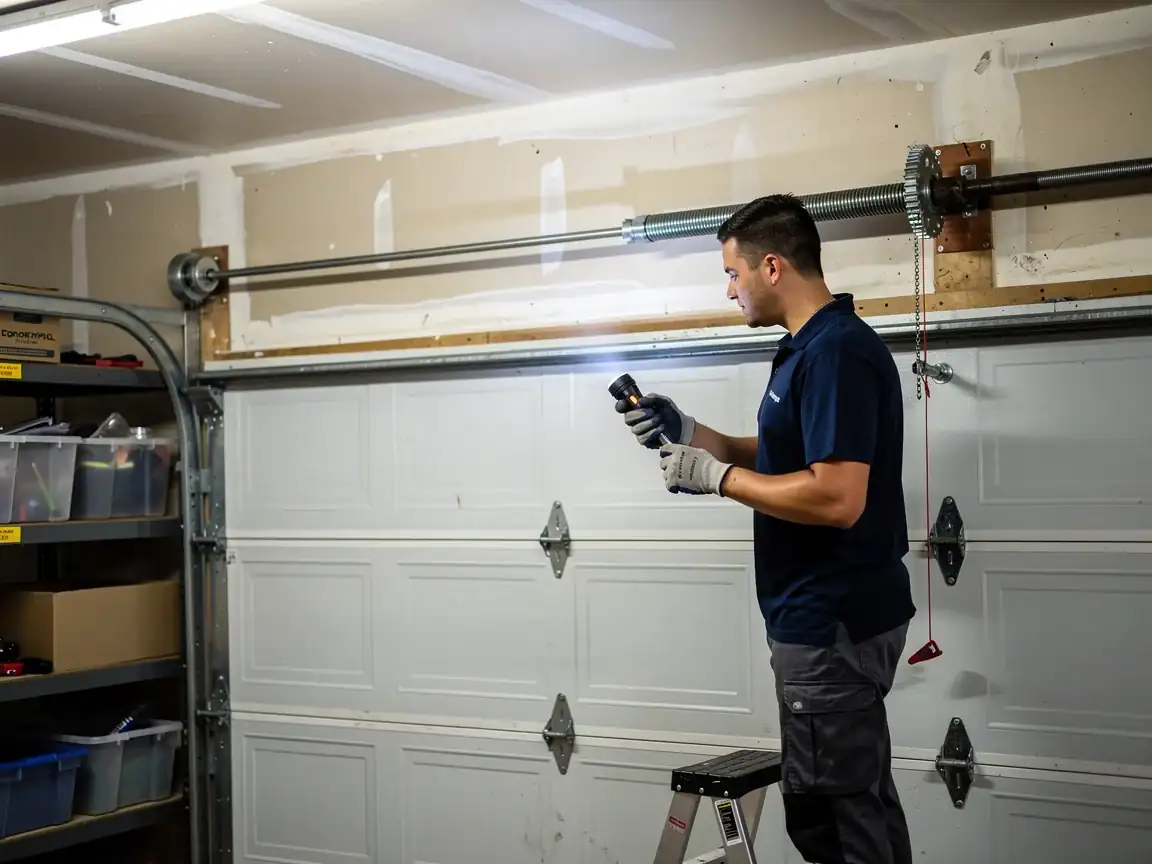
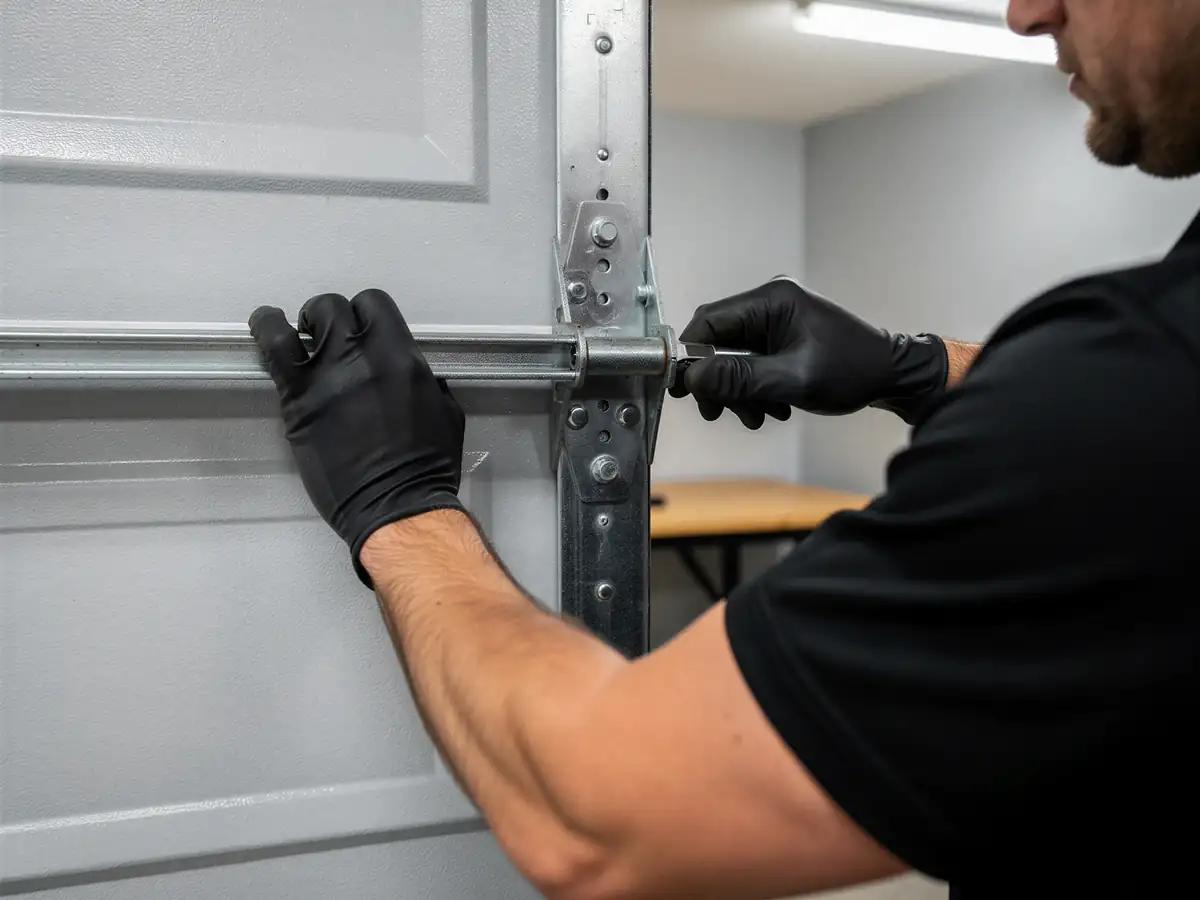
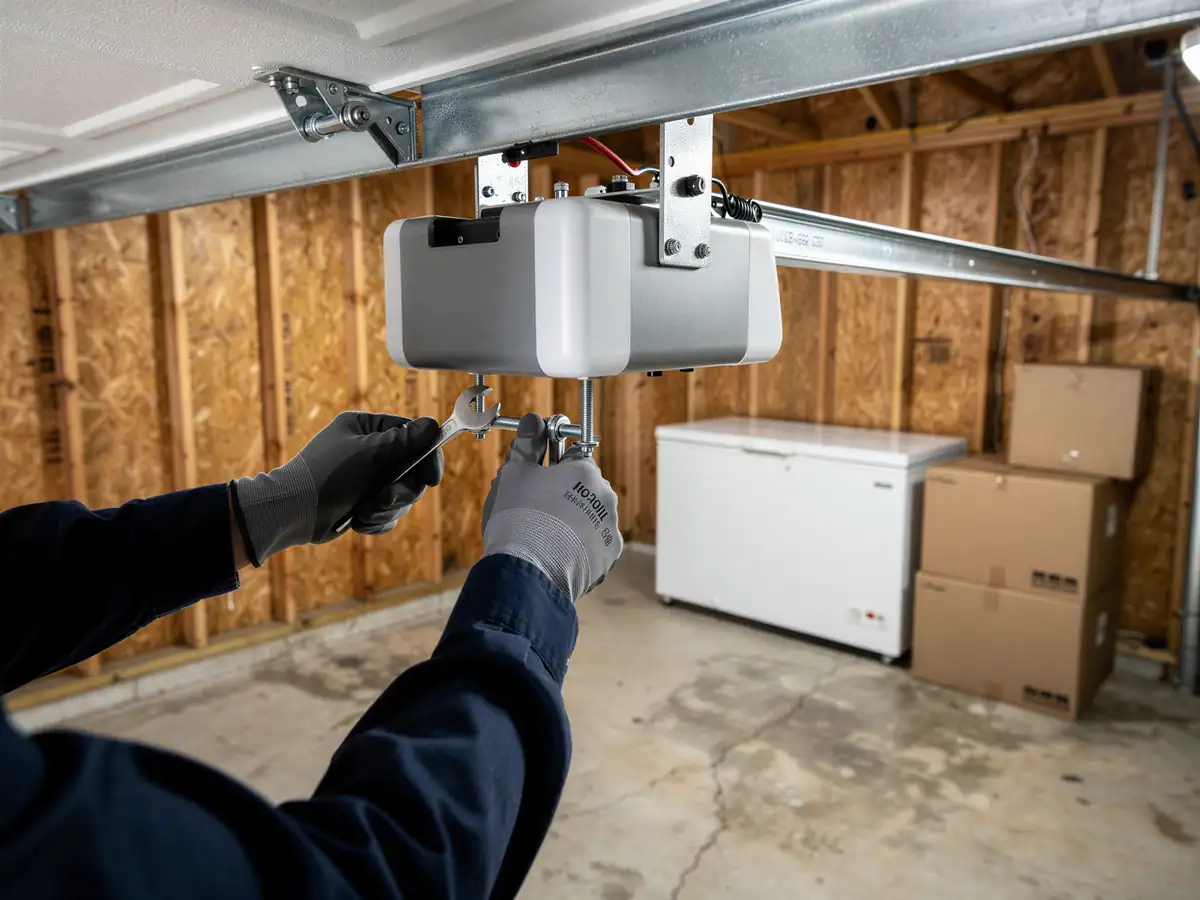
Swapping a door panel or two, sure - plenty of homeowners do that. A full installation is a different job. On a house from 1988, you're often dealing with a track and spring system that's original or close to it, and getting the new door's cable tension and spring size matched to the door weight is where DIY installs go wrong. A torsion spring under tension is not forgiving if the wind-up is off.
The honest limitation: we won't walk you through a self-install over the phone, and we don't sell doors without installation to Burton addresses. If you want to do the demo and framing prep yourself to cut labor cost, that's a conversation worth having before we quote - but the spring and track work, we do ourselves.
What Can Go Wrong
The most common issue we see on Burton homes built in this window is a rough opening that's settled slightly out of square over three and a half decades
Which isn't visible until the new door is halfway installed and won't seat evenly. Burton sits in the same mild, occasional-freeze climate band as the rest of the coast, so you're not dealing with the deep-freeze cable snap problems colder regions see, but original weatherstripping from 1988 has usually hardened and cracked, letting in more than it should.
The other thing that comes up
Openers from that era, if they're still original, run on hardware that doesn't talk to a new door's safety sensors the way current code expects. We'll flag that before we install rather than after, since swapping the opener at the same time is cheaper than a second trip.